SC quashes FIRs against student protesters; CJP calls off Sept 5 march
Synopsis
The Supreme Court didn't just quash FIRs — it locked the government's compensation promise into a judicial order. By converting a political assurance into a court-enforceable undertaking, the bench handed student protesters something rarer than a victory: accountability with a deadline. The next 90 days will reveal whether the commitment holds.
Key Takeaways
The Supreme Court on 1 September directed the quashing of FIRs against student protesters in Delhi, Bihar, Maharashtra, West Bengal, Assam , and other states.
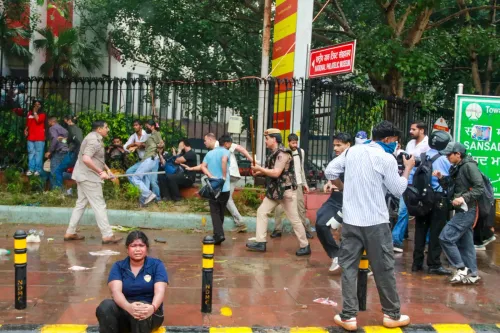
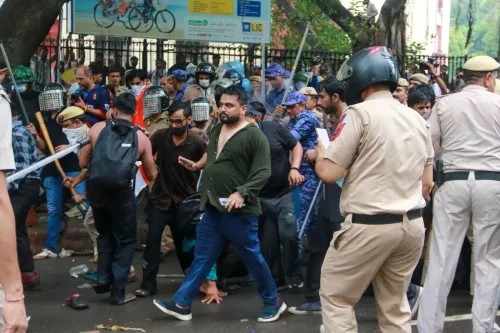
Protests were held between 20 and 25 July over the NEET paper leak controversy.
The Union government assured the Court that compensation for NEET victim families would be paid within 90 days , directly to bank accounts — now part of the court order.
CJP spokesperson Saurav Das cited the resignation of former Education Minister Dharmendra Pradhan on 25 July as 'a very big victory for the youth.' CJP has called off its planned protest march from India Gate to the new Police Headquarters scheduled for 5 September .
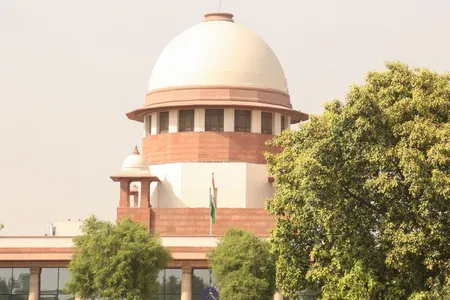
The Supreme Court of India on Tuesday, 1 September directed the quashing of First Information Reports (FIRs) registered against student protesters across Delhi, Bihar, Maharashtra, West Bengal, Assam, and other states, in connection with demonstrations held between 20 and 25 July over the NEET paper leak controversy. The order drew an immediate welcome from the Citizens for Justice and Peace (CJP), which had been at the forefront of the agitation and had engaged in sustained dialogue with the Union government to secure the relief.
CJP's Response and What It Secured
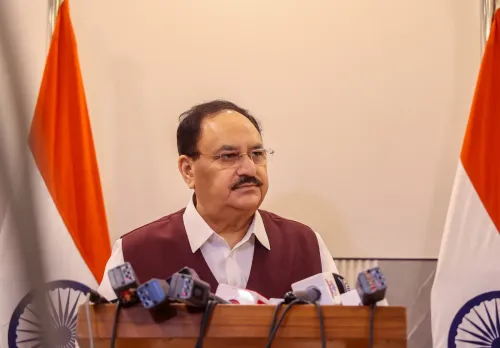
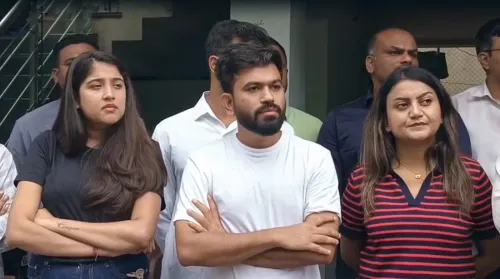
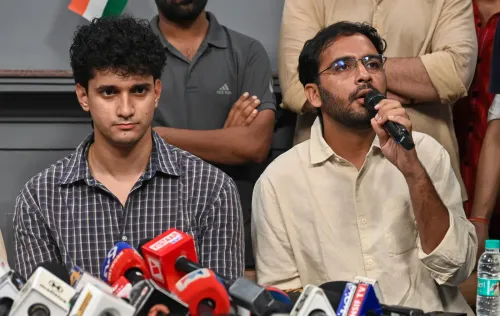
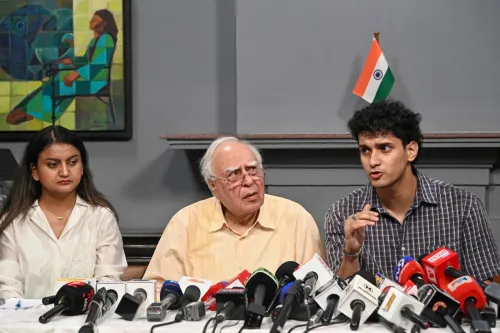
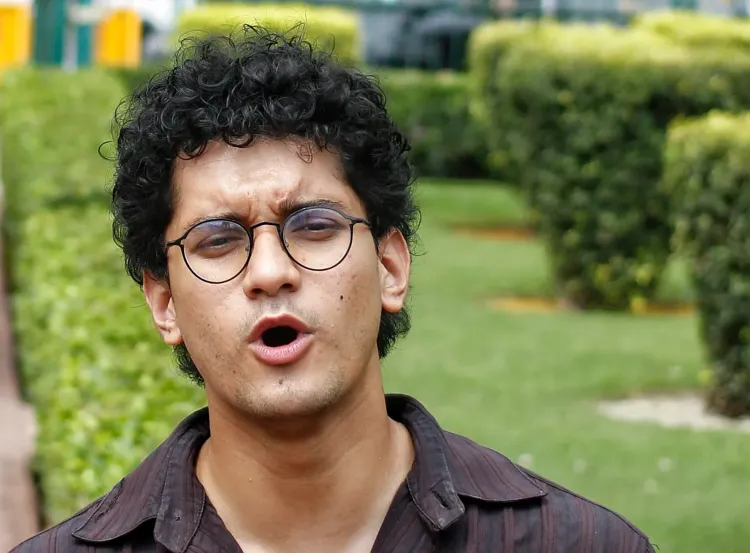
Saurav Das, chief spokesperson of the CJP, told reporters that protecting students' futures was the organisation's primary concern. 'The youth have an entire future ahead of them, and we could not let that get affected due to FIRs and police action,' Das said. He added that CJP had been holding talks with a high-level government delegation since the joint press conference addressed by Union Ministers J.P. Nadda and Jitendra Singh on 25 July, at which two key demands were tabled: compensation for families of students who died by suicide following the NEET paper leak, and withdrawal of FIRs filed against protesters nationwide.
Das noted that notifications had subsequently been issued in several states assuring that the FIRs would be withdrawn and no future action taken against the protesters. However, he said written assurances from the Union government — including a formal commitment on compensation from Delhi Police and other central agencies — had not been received ahead of Tuesday's court hearing.
Supreme Court Order and Judicial Sanctity
The Supreme Court's order went beyond procedural relief. According to Das, the government gave an assurance before the Court that compensation — in what he described as an 'honourable amount' — would be paid to the families of NEET victims within 90 days, with funds to be credited directly to their bank accounts. 'The government gave this assurance to the Supreme Court today, and the Court accepted it, granting it judicial sanctity by incorporating it into its order,' Das stated. This effectively converts a political commitment into a court-enforceable undertaking.
Resignation of Education Minister Flagged as a Milestone
Das also highlighted the resignation of former Union Education Minister Dharmendra Pradhan on 25 July as a significant outcome of the student movement. He described it as 'a very big victory for the youth of the country,' framing it as a moment of accountability that the protests had helped bring about. This comes amid sustained public pressure over alleged irregularities in the National Eligibility cum Entrance Test (NEET) examination, which sparked protests in multiple states.
September 5 Protest March Called Off
With the Supreme Court order in place and government assurances secured, the CJP announced it was calling off a planned protest march scheduled for 5 September from India Gate to the new Police Headquarters in New Delhi. 'We are calling off our peaceful protest march because the government has accepted all our demands,' Das declared. The decision signals a de-escalation after weeks of sustained street pressure, though the movement's leadership indicated it would monitor compliance with the court's directions. Whether the compensation commitments are honoured within the stipulated 90-day window will be the next test of the government's resolve.
Point of View
A meaningful escalation from a press conference assurance. What the mainstream coverage underplays is the 90-day clock: if disbursements to NEET victim families slip, the government faces contempt exposure, not just political embarrassment. The CJP's decision to stand down the September 5 march is tactically sound but carries risk — street pressure was the lever that produced these concessions, and withdrawing it before funds actually reach families may prove premature.
NationPress
17 Oct 2026
Frequently Asked Questions
What did the Supreme Court order regarding student protesters?
The Supreme Court directed the quashing of FIRs registered against student protesters across Delhi, Bihar, Maharashtra, West Bengal, Assam, and other states in connection with protests held between 20 and 25 July over the NEET paper leak. The order also incorporated the government's assurance of compensation to NEET victim families within 90 days, giving it judicial enforceability.
Why did the CJP call off its September 5 protest march?
The Citizens for Justice and Peace (CJP) called off the planned march from India Gate to the new Police Headquarters in New Delhi because the government accepted all of its key demands — withdrawal of FIRs against student protesters and a court-recorded commitment to compensate families of NEET victims within 90 days.
What compensation has the government promised to NEET victim families?
The Union government assured the Supreme Court that compensation — described by CJP spokesperson Saurav Das as an 'honourable amount' — would be paid to the families of students who died by suicide following the NEET paper leak, within 90 days and directly to their bank accounts. The Court incorporated this assurance into its order, giving it legal sanctity.
What were the two main demands the CJP had raised with the government?
The CJP had demanded compensation for families of students who died by suicide due to the NEET paper leak, and the withdrawal of FIRs filed against student protesters and youth across the country. Both demands were acknowledged at a joint press conference by Union Ministers J.P. Nadda and Jitendra Singh on 25 July.
Why is Dharmendra Pradhan's resignation significant in this context?
Former Union Education Minister Dharmendra Pradhan resigned on 25 July, the same day the CJP held its joint press conference with senior Union ministers. CJP spokesperson Saurav Das called the resignation 'a very big victory for the youth of the country,' framing it as a direct outcome of the sustained student-led pressure over the NEET paper leak controversy.