CJI Surya Kant clarifies SC's 'don't waste time' remark on NEET protest petitions
Synopsis
The Supreme Court's 'don't waste our time' remark — widely read as a refusal — was actually a procedural correction: no writ petition had been filed, only a one-page representation. CJI Surya Kant's public clarification reframes the controversy, and with two petitions now formally listed for 27 July, the court's response to alleged police action against NEET protesters will be the real test.
Key Takeaways
CJI Surya Kant clarified on Friday, 25 July that the Supreme Court had never refused to hear petitions on alleged police action against student protesters.
Only a one-page representation — not a formally filed writ petition — had been placed before the court at the time of the 'don't waste our time' remark.
The original remarks were made during an oral mentioning related to protests over the alleged NEET-UG 2026 paper leak and the 'Sansad Chalo' march.
Advocate Narendra Mishra had sought suo motu Supreme Court intervention under Article 32 via a representation addressed to the CJI.
Two petitions were subsequently filed formally; the CJI Kant -led bench has listed them for hearing on Monday, 27 July .
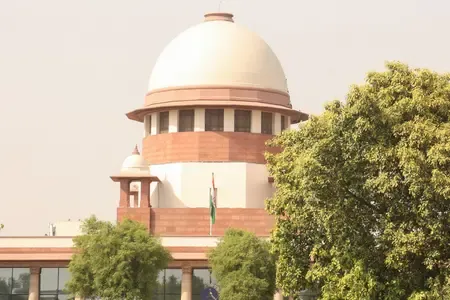
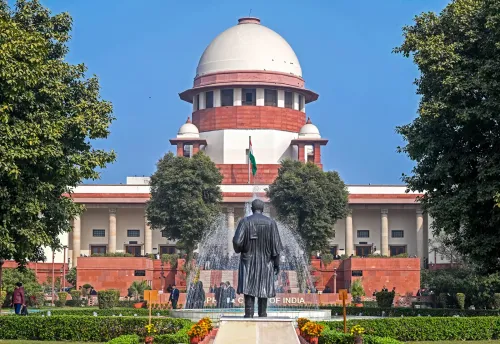
Chief Justice of India Surya Kant on Friday, 25 July publicly clarified the circumstances behind the Supreme Court's widely reported 'don't waste our time' remark, stating that the apex court had never refused to hear petitions relating to alleged police action against student protesters — and that no formally filed writ petition had been placed before it at the time the remark was made.
What the CJI Actually Said
Speaking to a television channel, CJI Kant was unequivocal: 'It was reported wrongly that the Supreme Court declined to hear the petition. The Supreme Court can never deny hearing of any case. It's my commitment… we are available 24 hours.'
He explained that what had been placed before the court was a one-page representation — not a duly filed writ petition. 'If I have not got the petition in the first place, what hearing would I give? If they give a one-page letter and seek a hearing on it, that's not the way. We can't violate the Supreme Court's process of filing a petition. I told them they should file the petition properly,' he said.
The Original Remarks in Context
The controversy arose two days earlier when a CJI Kant-led bench declined an oral request for urgent listing of a matter alleging police brutality against students protesting the alleged NEET-UG 2026 paper leak. The bench had remarked, 'Please don't waste our time and don't waste yours. Your time is more valuable than ours.' When counsel referred to videos purportedly showing police action against protesters, the court had added, 'We are not interested in videos. We don't have time to watch.'
Those remarks were widely reported as the Supreme Court refusing to entertain the matter — a characterisation CJI Kant has now explicitly rejected. He said he had verified the position with the Supreme Court Registry before making the clarification in open court on Friday morning.
The Procedural Gap
According to reports, advocate Narendra Mishra had addressed a representation to CJI Kant seeking the court's suo motu intervention under Article 32 of the Constitution, alleging violations of fundamental rights during the handling of protests over the alleged NEET-UG 2026 paper leak. The court's position is that a representation cannot be treated as a writ petition, and that prescribed filing procedures must be followed before a matter can be listed for hearing.
'The law is supreme. We have to follow it. I want to tell the citizens of the country that the Supreme Court will do everything in its power under the law to give justice to anyone who faces any kind of injustice,' the CJI said.
Court Agrees to Hear Petitions on Monday
Later on the same day, the situation moved forward. Senior advocate Gopal Sankaranarayanan mentioned before the CJI Kant-led bench that two petitions had now been formally filed and diary numbers generated. He submitted: 'There are two petitions dealing with the violence that took place across the country on the students' protest,' adding that alleged police excesses against students were continuing and required immediate judicial intervention.
Taking note, the bench agreed to list the matter, directing that both petitions be heard on Monday, 27 July. 'Let it be listed, we will entertain,' the CJI said.
What This Means Going Forward
The episode underscores a recurring tension between the urgency of public grievances and the procedural rigour the Supreme Court demands before it can act. With the petitions now formally before the court, the 27 July hearing will be closely watched — both for the court's response to the alleged police action during the 'Sansad Chalo' march and for any directions on the broader NEET-UG 2026 protest crackdown. The matter is likely to draw significant attention given the scale of student unrest reported across the country.
Point of View
Dual-channel clarification (open court and television) is itself notable: it signals acute awareness of the reputational stakes when student unrest is in the headlines. What remains unresolved is the substantive question — whether the Supreme Court will find merit in the police-action allegations once it hears the petitions on 27 July. A court that correctly insists on procedure must now demonstrate that the procedure was worth following.
NationPress
23 Oct 2026
Frequently Asked Questions
What did CJI Surya Kant mean by 'don't waste our time'?
The remark was directed at lawyers who sought an urgent hearing without first filing a formal writ petition — only a one-page representation had been submitted. CJI Kant clarified that the Supreme Court never refused to hear the matter; it simply could not list a case that had not been properly filed.
Why did the Supreme Court not hear the NEET protest petition initially?
No writ petition had been filed before the court at the time. Advocate Narendra Mishra had submitted a one-page representation seeking suo motu intervention under Article 32, but the court held that a representation cannot substitute for a duly filed writ petition under its prescribed procedure.
When will the Supreme Court hear the NEET student protest petitions?
The CJI Kant-led bench has directed that two formally filed petitions — alleging excessive police force against student protesters — be listed for hearing on Monday, 27 July.
What are the petitions about?
The petitions allege excessive use of police force against students who participated in protests across India over examination paper leaks, including the alleged NEET-UG 2026 paper leak and the 'Sansad Chalo' march. They seek judicial intervention to address the alleged violations of fundamental rights.
What is Article 32 of the Constitution and why is it relevant here?
Article 32 grants citizens the right to move the Supreme Court directly for enforcement of fundamental rights guaranteed by the Constitution. Advocate Narendra Mishra invoked it to seek the court's suo motu intervention over alleged rights violations during the student protests.