CM Himanta to distribute cheques to 5.42 lakh Assam students

Synopsis
The Chief Minister's Office of Assam announced that CM Himanta Biswa Sarma will ceremonially distribute first-instalment cheques under the NijutMoina and NijutBabu Aasoni schemes to over 5.42 lakh students on October 15, 2026, marking a large-scale direct financial assistance push for Assam's student population.
Key Takeaways
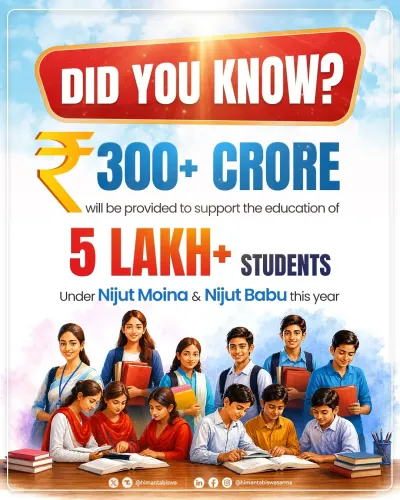
Over 5.42 lakh students across Assam are set to receive direct financial support through two schemes.
CM Dr Himanta Biswa Sarma will personally preside over the ceremonial cheque distribution on October 15, 2026 .
The schemes are named NijutMoina and NijutBabu Aasoni , targeting broad student demographics in the state.
Cheques distributed represent the first instalment , signalling that the financial support is structured in multiple tranches.
The move continues the Assam government's pattern of using direct-benefit transfers as a welfare delivery mechanism under Himanta's administration since May 2021.
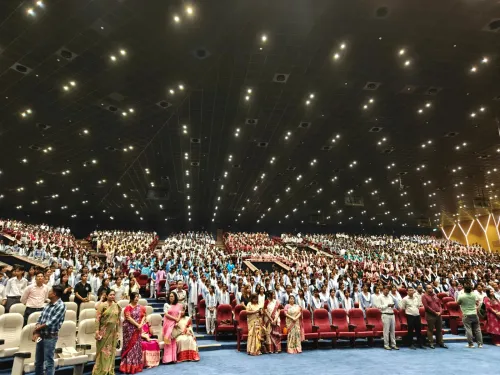
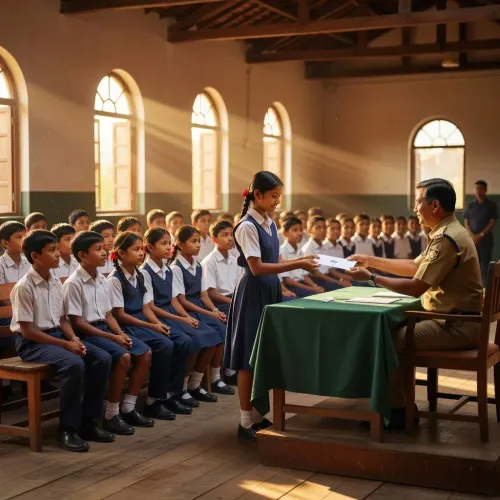
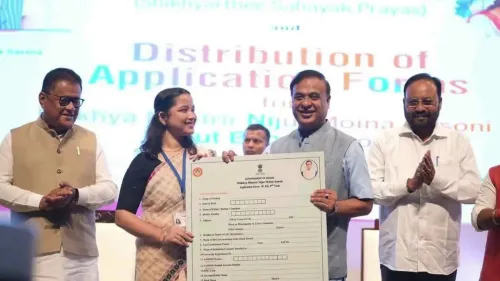
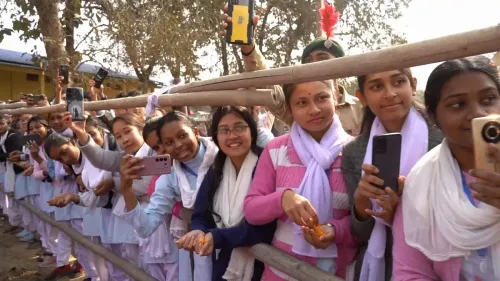
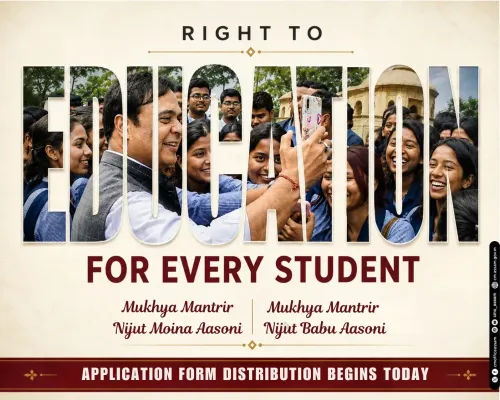
More than 5.42 lakh students across Assam are set to receive direct financial support on Thursday, October 15, 2026, as the Chief Minister's Office of Assam announced that Chief Minister Dr Himanta Biswa Sarma will ceremonially distribute cheques for the first instalment of two flagship scholarship schemes — #NijutMoina and #NijutBabu Aasoni.
Half a million students, one ceremony
The scale is hard to miss. Distributing first-instalment cheques to over 5.42 lakh beneficiaries in a single ceremonial event signals that the Assam government is pushing student welfare from policy intent into immediate cash-in-hand delivery. The CMO framed the occasion squarely around access: 'Every student deserves the opportunity to learn, grow and realise their dreams without financial hurdles.'
The two schemes — NijutMoina and NijutBabu Aasoni — together target a broad base of Assam's student population, extending direct financial assistance designed to reduce dropout pressure and ease the cost burden on families who might otherwise pull children out of school or college.
Himanta's education welfare push in Assam
Dr Himanta Biswa Sarma has led the BJP-headed government in Assam since May 2021, building a governance identity around visible welfare delivery — from women's assistance to rural household support. Student-facing financial schemes fit that pattern: the administration has repeatedly used direct-benefit transfers to demonstrate tangible reach, particularly in a state where economic barriers to education remain real and persistent.
Assam governments across administrations have periodically launched direct assistance programmes to address enrolment and retention challenges. The current scale — crossing five lakh beneficiaries in a single distribution event — reflects an ambition to make the impact visible and large.
What the first instalment signals
The emphasis on 'first instalment' is deliberate. It sets an expectation of continuity: subsequent tranches will follow, and the state education department will be watched for district-level rollout data and any enrolment impact figures that emerge. Whether the programme translates into measurable retention gains — more students staying in school and completing courses — is the real question hovering over the cheque distribution ceremony.
For now, the numbers speak to intent. More than half a million young people in Assam waking up to a government cheque in their name is not a small thing. The kicker, as always, is delivery — not the ceremony, but the cash that clears.
Point of View
Large-scale cash transfers that build political legitimacy on the ground. Direct-benefit schemes targeting students are not new to Assam, but the claimed beneficiary count of over five lakh in a single instalment round suggests an escalation in ambition and scope. The real policy test lies beyond the ceremony — in whether subsequent instalments arrive on schedule, whether district-level machinery handles verification without leakage, and whether retention data from schools and colleges shows measurable improvement. Until those numbers surface, the event registers as a significant political signal rather than a confirmed development outcome.
NationPress
15 Oct 2026
Frequently Asked Questions
What are the NijutMoina and NijutBabu Aasoni schemes in Assam?
NijutMoina and NijutBabu Aasoni are financial assistance schemes launched by the Assam government to provide direct monetary support to students, aimed at reducing economic barriers to education and improving retention across the state.
How many students will benefit from the Assam scholarship distribution on October 15, 2026?
Over 5.42 lakh students across Assam are expected to receive first-instalment cheques under the two schemes during the ceremonial event presided over by CM Himanta Biswa Sarma.
Who is distributing the scholarship cheques in Assam?
Chief Minister Dr Himanta Biswa Sarma will ceremonially distribute the cheques, with the announcement made by the official Chief Minister's Office of Assam on October 15, 2026.
Will students receive more payments after the first instalment?
The CMO's announcement explicitly refers to a 'first instalment,' indicating that the financial support is structured in multiple tranches, with subsequent disbursements expected to follow.
What is Himanta Biswa Sarma's track record on student welfare schemes?
Himanta Biswa Sarma has led Assam's BJP government since May 2021 and has pursued multiple direct-benefit welfare programmes covering women, rural households, and students as part of his administration's governance strategy.