Sonowal: India targets top-5 shipbuilding nation by 2047
Synopsis
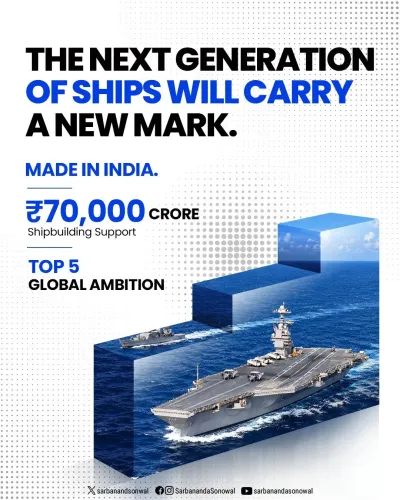
Union Minister Sarbananda Sonowal has set out India's shipbuilding ambition: a top-10 global rank by 2030 and top-5 by 2047, anchored in the Sagarmala Project, Atmanirbhar Bharat and the Viksit Bharat vision.
Key Takeaways
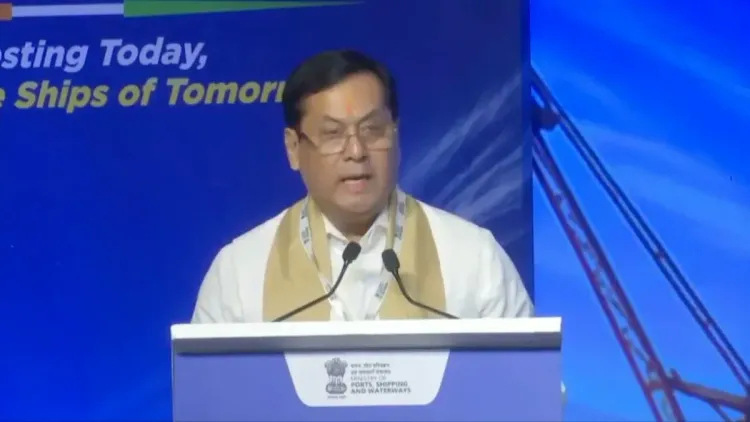
Sarbananda Sonowal , Union Minister of Ports, Shipping and Waterways, stated India aims to be a top-10 shipbuilding nation by 2030 .
India's further ambition is to reach a top-5 global shipbuilding rank by 2047 , aligned with the Viksit Bharat centenary goal.
Global shipbuilding is currently dominated by China, South Korea and Japan ; India holds a modest share.
The Sagarmala Project , launched in 2015 , underpins India's port-led maritime development strategy.
The targets sit within the Atmanirbhar Bharat self-reliance framework and require significant shipyard capacity expansion and policy support.
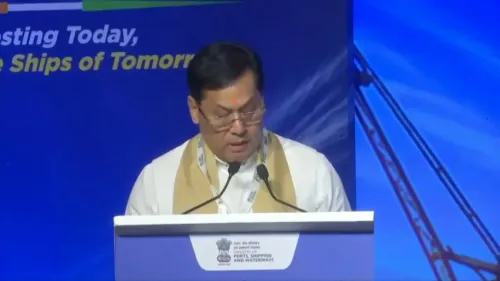
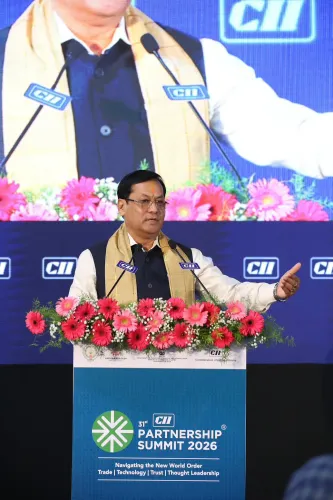
A top-10 global shipbuilding rank by 2030 and a top-5 position by 2047 — those are the twin ambitions Union Minister of Ports, Shipping and Waterways Sarbananda Sonowal articulated on Monday, November 16, 2026, framing them as the natural destination of a maritime policy journey that India's leadership has been charting for years.
Where India stands in a China-South Korea-Japan world
Today, global shipbuilding is an oligopoly. China, South Korea and Japan collectively command the overwhelming bulk of the world's new vessel orders. India, despite possessing a long coastline, deep nautical traditions and a growing commercial fleet, holds a modest slice of that market. The gap between where India is and where Minister Sonowal says it is headed is vast — which is precisely what makes the target significant rather than merely aspirational.
Closing that gap requires not just more shipyard capacity, but competitive financing, skilled labour pipelines, and a supply chain for steel and marine components that can rival Asian neighbours. That is a structural transformation, not an incremental one.
The policy scaffolding already in place
The ambition does not arrive in a vacuum. The Sagarmala Project, launched in 2015, laid the foundational logic: port-led development as an engine of economic growth. The Ministry of Ports, Shipping and Waterways, which Sonowal has led since 2021, sits at the intersection of that infrastructure push and the broader Atmanirbhar Bharat (self-reliance) framework that has shaped industrial policy across multiple sectors.
The 2047 horizon is not accidental either — it maps directly onto the government's Viksit Bharat (Developed India) vision, which sets the centenary of independence as the moment India stakes its claim as a fully developed economy. Shipbuilding, with its multiplier effects on steel, engineering and logistics, is a natural pillar of that narrative.
What the targets demand from industry and policy
Reaching even the top-10 threshold by 2030 will require Indian shipyards — both public and private — to scale output significantly. Incentive structures, public-private partnerships and budgetary support for the sector will be closely watched in coming maritime policy announcements and union budgets. The Indian maritime industry and domestic shipyard operators now have a ministerial benchmark on record to hold the government accountable to.
Ambition stated this publicly, this specifically, is a commitment. The clock to 2030 is already running.
Point of View
Not a background briefing — framing shipbuilding ambition as a core deliverable of the Modi government's Viksit Bharat promise elevates the sector from policy footnote to electoral and legacy talking point. The 2030 target is near-term enough to invite scrutiny in future budgets and maritime policy cycles, which is strategically risky but signals genuine confidence. Set against China's near-total dominance of global order books, the climb is formidable; the credibility of the target will ultimately depend on whether incentive architecture and public-private investment follow the rhetoric in the next two to three union budgets.
NationPress
16 Nov 2026
Frequently Asked Questions
What is India's shipbuilding target by 2030?
India aims to become one of the world's top-10 shipbuilding nations by 2030 , according to Union Minister Sarbananda Sonowal's statement on November 16, 2026.
What is India's shipbuilding goal for 2047?
India targets a top-5 position in global shipbuilding by 2047 , timed to coincide with the centenary of independence under the Viksit Bharat vision.
Which countries currently dominate global shipbuilding?
China, South Korea and Japan collectively dominate the global shipbuilding market, holding the largest shares of new vessel orders worldwide.
What is the Sagarmala Project and how does it relate to shipbuilding?
The Sagarmala Project , launched in 2015 , is India's flagship port-led development initiative. It provides the infrastructure and policy backbone on which shipbuilding expansion efforts are built.
Who is Sarbananda Sonowal?
Sarbananda Sonowal is India's Union Minister of Ports, Shipping and Waterways since 2021, a senior BJP leader and former Chief Minister of Assam.