Rijiju extends Usha Arghya wishes as Chhath Mahaparvends
Synopsis
Union Parliamentary Affairs Minister Kiren Rijiju extended Usha Arghya greetings on November 16, 2026, as the four-day Chhath Mahaparvv concluded with sunrise offerings across Bihar, Uttar Pradesh, Jharkhand and Nepal.
Key Takeaways
Kiren Rijiju , Union Minister of Parliamentary Affairs and Minority Affairs, posted Usha Arghya greetings on November 16, 2026 .
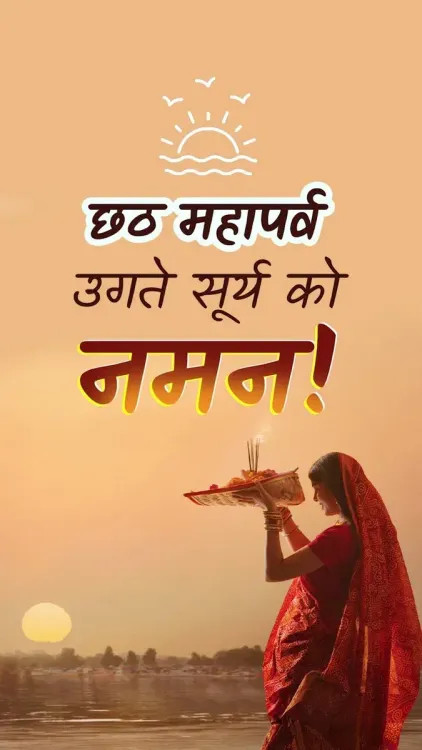
Usha Arghya — the dawn salutation to the rising sun — is the concluding ritual of the four-day Chhath Mahaparvv .
Chhath Puja is dedicated to the Sun God Surya and Chhathi Maiya , and is observed with greatest intensity in Bihar, eastern UP, Jharkhand and Nepal .
The festival demands a rigorous 36-hour waterless fast from its observers, broken only after the sunrise offering.
Senior BJP ministers routinely extend public greetings on major regional festivals as part of broad cultural and political outreach.
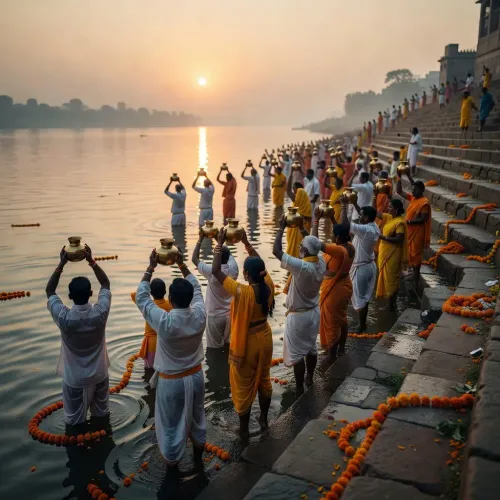
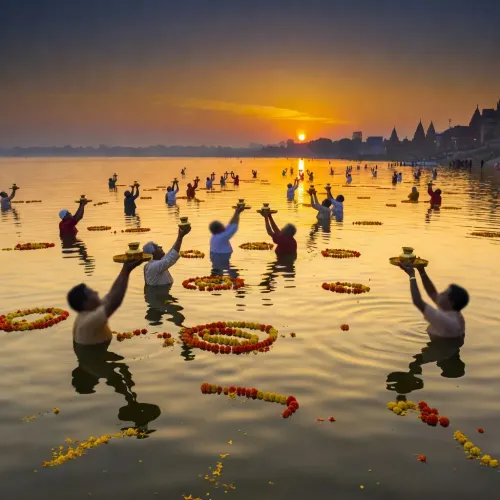
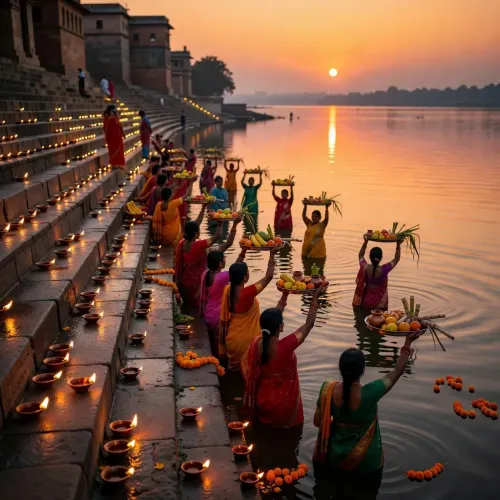
As the first light of dawn touched the water's edge on Monday, November 16, 2026, millions of devotees across Bihar, eastern Uttar Pradesh, Jharkhand and beyond stood waist-deep in rivers and ponds, offering arghya — a sacred salutation — to the rising sun. Union Parliamentary Affairs and Minority Affairs Minister Kiren Rijiju marked the closing ritual of Chhath Mahaparvv with a warm message on X, extending heartfelt greetings for Usha Arghya.
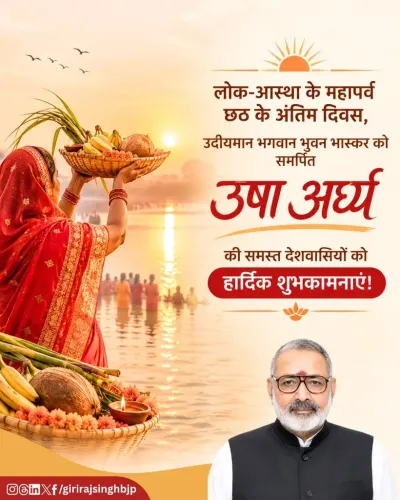
Rijiju's post, shared in Hindi, captured the essence of the four-day festival: 'With the offering of arghya to the rising sun, the four-day Chhath Mahaparvv concludes ceremonially. This practice of faith, devotion and resolve carries a message of new energy, happiness, prosperity and well-being into our lives. Heartfelt wishes on Usha Arghya!'
What Usha Arghya means — and why it closes the festival
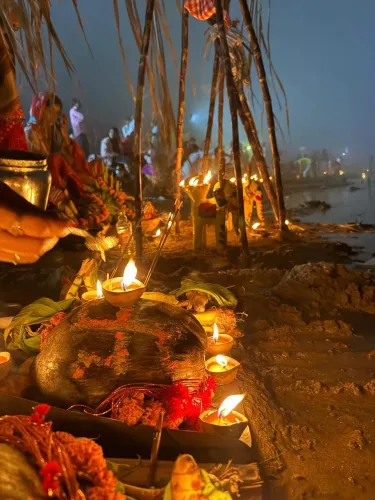
Chhath Puja is one of the few Hindu festivals entirely dedicated to the Sun God Surya and Chhathi Maiya, the sixth form of the goddess Shakti. The four-day observance is built on rigorous austerity — vrati (observers) fast without water for 36 hours, breaking it only after the sunrise offering on the final morning. Usha Arghya, the dawn offering, is the culminating act: devotees wade into sacred water and hold offerings of fruits, sugarcane and sweets aloft as the sun clears the horizon, completing a cycle that began with the previous evening's Sandhya Arghya.
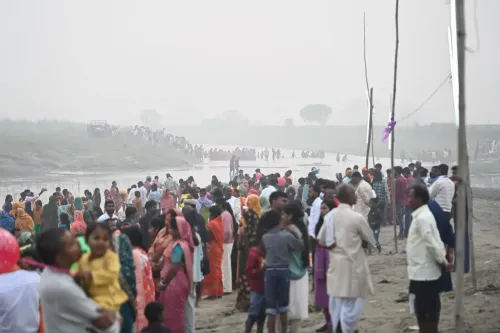
The festival is observed with particular intensity in Bihar, eastern Uttar Pradesh, Jharkhand and the Terai region of Nepal, and has grown into a mass public spectacle in cities with large diaspora communities — from Delhi to Mumbai to cities abroad.
Rijiju's greetings and the politics of festive outreach
Kiren Rijiju, a senior BJP leader from Arunachal Pradesh serving as Union Minister of Parliamentary Affairs and Minority Affairs, is among many Union ministers who routinely issue public messages on major regional festivals. Such greetings are a standard, deliberate form of political outreach — acknowledging cultural and religious practices that command deep public attachment, particularly in Bihar and Uttar Pradesh, states that carry significant electoral weight.
The gesture underlines the BJP-led government's consistent effort to be visibly present across the full calendar of India's diverse festivals, from Eid and Christmas to regional observances like Chhath, Pongal and Bihu — the last of which holds personal resonance for Rijiju as an Arunachali leader.
When millions stand at a riverbank at dawn and hold fruit to the sky, they are not performing a ritual in isolation — they are participating in one of India's most visually arresting acts of collective faith. Usha Arghya does not just close a festival; it opens another year of prayer.
Point of View
Particularly in electorally pivotal states like Bihar and Uttar Pradesh. For a senior minister from Arunachal Pradesh to publicly salute a festival rooted in the Gangetic belt signals deliberate coalition-building across India's diverse cultural geography. The gesture also reinforces the government's broader 'one India, many traditions' messaging — a soft-power frame that double-functions as electoral arithmetic.
NationPress
16 Nov 2026
Frequently Asked Questions
What is Usha Arghya in Chhath Puja?
Usha Arghya is the dawn offering made to the rising sun on the final morning of Chhath Puja, marking the festival's ceremonial conclusion after a 36-hour waterless fast by devotees.
What did Kiren Rijiju say about Chhath Puja 2026?
Rijiju posted a Hindi message extending 'heartfelt wishes on Usha Arghya,' saying the festival carries a message of new energy, happiness and prosperity, and marking the formal close of the four-day Chhath Mahaparvv.
Where is Chhath Puja mainly celebrated?
Chhath Puja is celebrated most intensely in Bihar, eastern Uttar Pradesh, Jharkhand and the Terai region of Nepal, and also among diaspora communities in major Indian and international cities.
Who is Kiren Rijiju?
Kiren Rijiju is a senior BJP leader from Arunachal Pradesh who serves as Union Minister of Parliamentary Affairs and Minister of Minority Affairs in the Indian government.
What is the significance of Chhath Puja?
Chhath Puja is a four-day Hindu festival dedicated to the Sun God Surya and Chhathi Maiya, centred on austerity, faith and reverence for nature, with sunrise and sunset offerings as its core rituals.