Trump says Iran war 'ending soon', predicts oil price crash
Synopsis
Speaking from the Oval Office, Trump declared the Iran war would end 'very soon' and oil would 'drop like a rock' — but in the same breath warned he won't stop until Tehran is barred from rebuilding nuclear capability for decades. With European allies refusing to help and no end-state defined, his bullish timeline is a prediction without a plan.
Key Takeaways
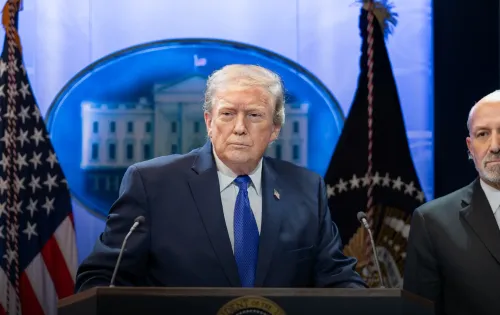
President Donald Trump said the Iran conflict would end 'very soon,' speaking from the Oval Office on 21 October 2026 .
Trump predicted oil prices would 'drop like a rock' once the conflict concludes, though he offered no supply-side evidence for the forecast.
He said the US needed guarantees that Iran could not rebuild its nuclear capabilities within five, six, or ten years .
Trump disclosed he contacted multiple European leaders to request assistance; all declined, prompting sharp criticism of NATO burden-sharing.
The Strait of Hormuz remains a key risk factor for India and other Asian energy importers dependent on Persian Gulf crude supplies.
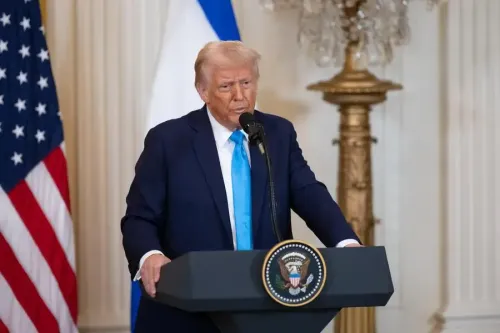
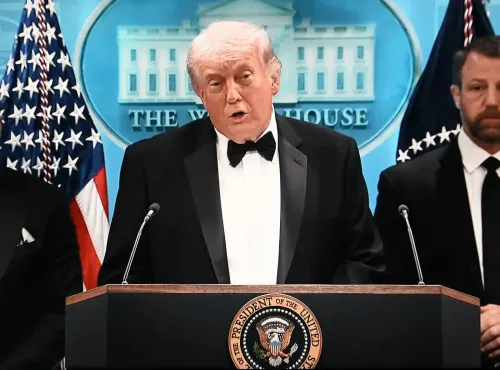
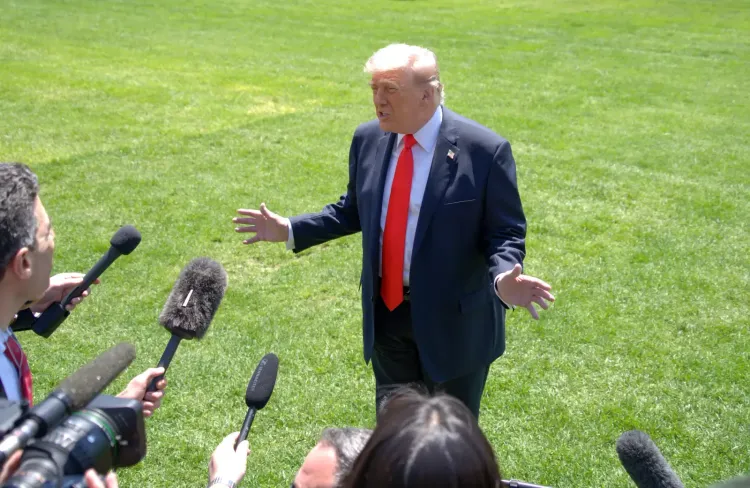
US President Donald Trump declared on 21 October 2026 that the ongoing conflict with Iran could end soon, predicting a sharp fall in global oil prices once hostilities conclude — while simultaneously warning that Washington must ensure Tehran cannot rebuild its nuclear weapons capabilities in the years ahead. The remarks, made in the Oval Office alongside Vice President JD Vance, mark Trump's most direct public assessment yet of how and when the conflict might wind down.
Trump's Oil Price Prediction
Responding to questions about public discontent over the economy, Trump attributed elevated energy prices squarely to the Iran conflict. 'As soon as the war is over, it's going to end very soon the Iran war,' he said. 'Oil is going to drop like a rock and that's the only thing holding it back,' he added. However, Trump did not provide a timetable for ending the conflict, nor did he offer a detailed assessment of global supply conditions to support his forecast. The prediction carries particular weight for energy-importing economies, including India, which remain vulnerable to crude price swings and any disruptions to shipping through the Strait of Hormuz — the critical chokepoint connecting the Persian Gulf with the Gulf of Oman.
Defending the Military Campaign
Trump defended the administration's military operations against Iran, arguing there was no alternative given Tehran's nuclear programme. 'You can't let them have it,' he said, referring to nuclear weapons, describing Iran as the world's leading state sponsor of terrorism. He acknowledged public concern over rising fuel costs but framed them as a necessary trade-off. 'It's a big price, but actually it's a small price to pay for not letting Iran have a nuclear weapon,' Trump said. He claimed that US military strikes had severely damaged Iran's nuclear facilities, including installations buried deep underground, but stopped short of declaring the mission complete.
The Nuclear Red Line
Even as Trump projected confidence about military progress, he made clear the administration's benchmark for success extends well beyond the current campaign. 'We could leave right now, and we would have done a good job, a great job,' he said. 'But it's not good enough for me. We have to make sure it doesn't happen in five years, six years, ten years.' The statement signals that the White House may seek longer-term structural guarantees — potentially diplomatic or verification-based — before declaring the conflict concluded. Notably, Trump did not spell out what form those assurances would take, or which parties would be involved in brokering them.
European Allies Decline to Help
Trump also disclosed that he had personally contacted multiple European heads of state and prime ministers to request assistance, and that all had refused. 'I just called individual presidents and prime ministers to ask would they like to help us? And they said no,' Trump said, adding that he had framed it as a test of the alliance. He criticised the refusal, pointing to the scale of US contributions to NATO: 'We spend hundreds of billions a year on NATO and they said, no.' Trump did not identify the leaders he contacted, the specific assistance sought, or whether the discussions concerned military operations, logistics, or other support. The comments underscore deepening transatlantic tensions over Middle East military engagement.
What Happens Next
Trump acknowledged the campaign had not yet reached its conclusion, saying the administration had not decided 'which way do we want to win.' The unresolved end-state, combined with elevated Hormuz shipping risk, continues to weigh on global energy markets. For India and other Asian importers that depend on Gulf crude, the duration and resolution of this conflict will directly shape household fuel costs and inflation in the months ahead. Analysts and governments will be watching whether Trump's 'ending soon' signal translates into any diplomatic movement, or remains an aspirational statement without a defined pathway.
Point of View
' yet simultaneously insists the campaign cannot end until decade-long nuclear guarantees are secured, a bar that implies ongoing engagement, not imminent withdrawal. For India, the real story is the Hormuz risk premium embedded in every barrel of crude — and the fact that neither a Trump timeline nor a European refusal to engage offers any near-term relief. The NATO rebuke also matters: it reflects a transatlantic fracture on Middle East strategy that goes beyond this conflict.
NationPress
21 Oct 2026
Frequently Asked Questions
What did Trump say about the Iran war ending?
Trump said on 21 October 2026 that the Iran conflict would end 'very soon,' predicting that oil prices would 'drop like a rock' once hostilities conclude. He did not provide a timetable or outline the diplomatic or military steps needed to reach that outcome.
Why does the Iran conflict matter for India?
India is a major energy-importing economy heavily dependent on crude oil from the Persian Gulf. Any disruption to shipping through the Strait of Hormuz — a key route for Gulf oil and gas exports to Asian markets — directly affects Indian fuel prices and inflation.
What are Trump's conditions for ending the Iran conflict?
Trump said merely damaging Iran's nuclear facilities was 'not good enough,' insisting that Washington must secure guarantees preventing Tehran from rebuilding its capabilities within five, six, or ten years. He did not specify what form those guarantees would take.
Which European leaders refused to help the US in the Iran conflict?
Trump said he personally contacted multiple European presidents and prime ministers to ask for assistance, and all refused. He did not name the leaders, specify the assistance requested, or clarify whether the discussions involved military or logistical support.
What did Trump say about the economic cost of the Iran conflict?
Trump acknowledged that higher petrol prices were a burden on the public, but argued it was 'a small price to pay for not letting Iran have a nuclear weapon.' He attributed current elevated energy prices primarily to the ongoing conflict with Iran.