Trump predicts Iran conflict 'won't be long', signals oil price drop ahead
Synopsis
Trump predicted the Iran conflict 'won't be long' and that oil prices will fall once it ends — without revealing any next steps. The off-the-cuff White House remarks, tied to diesel supply concerns and a US-Europe coordination signal, are short on specifics but long on market consequence.
Key Takeaways
President Donald Trump on 3 October said the Iran situation was 'working out very well' and would 'not be long' before concluding.
Trump predicted oil prices would fall — potentially below earlier levels — once the Iran situation ends.
Trump ruled out a US diesel export ban , saying 'we were never gonna do it.' Europe has been asked to release more diesel into the global market and has reportedly responded positively.
No specific policy action, military detail, or timetable was provided by the President.
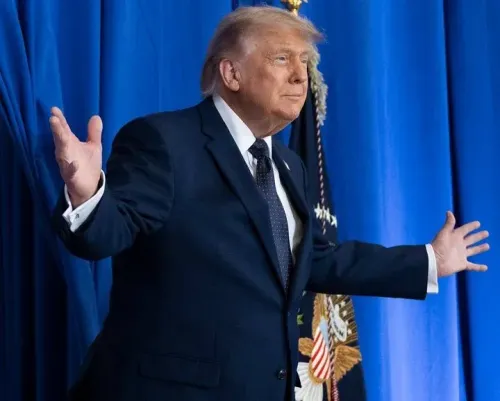
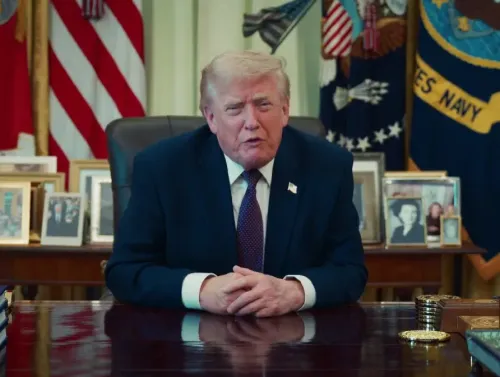
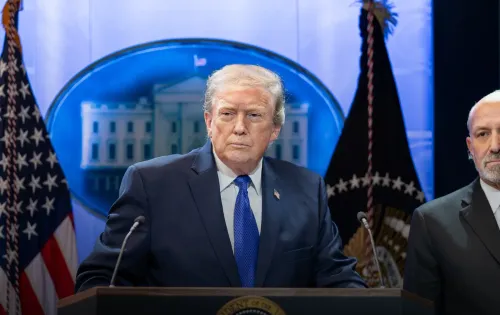
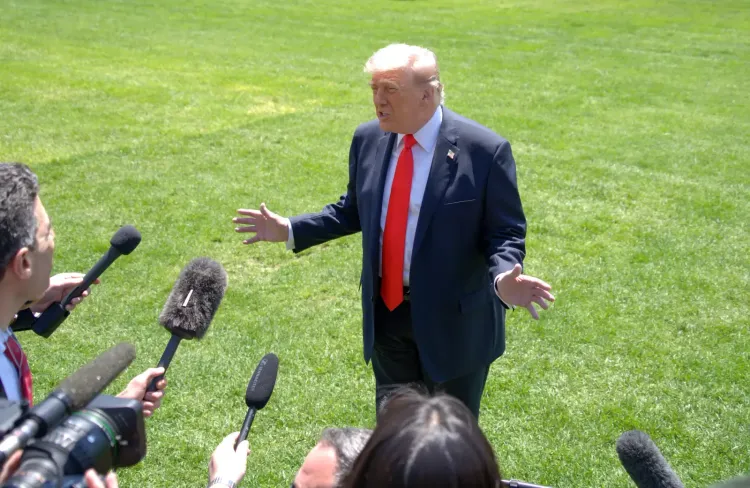
US President Donald Trump on 3 October declined to disclose his administration's next move on Iran, telling reporters at the White House that the situation was 'working out very well' and predicting the conflict would not last long. The remarks, made before Trump departed aboard Marine One, offered no specifics but linked an end to the Iran situation directly to a projected fall in global oil prices.
What Trump Said
When asked about his next step regarding Iran, Trump suggested the answer itself would be newsworthy. 'That's very, oh, it's -- well, if I told you, you'd have a major story, right? But you'll see. Working out very well. Iran is not doing well,' he said. The President did not elaborate on what action his administration was considering or provide any timetable.
On the oil front, Trump was more explicit. 'We're gonna have a lot of oil very shortly, as soon as Iran ends, which won't be long,' he said, adding that prices would 'go down to the price it was before, maybe even lower.'
Diesel Supplies and Europe's Role
Trump's comments also touched on global diesel availability, following questions from reporters about whether his administration was weighing restrictions on US diesel exports. The President said he had asked Europe to release more diesel into the global market — and indicated the continent had responded positively.
'Europe has a lot of diesel, and they're gonna be making a major world contribution, and so are we,' Trump said. He also moved to put to rest speculation about an export ban: 'We were never gonna do it. I don't think we ever, but basically, Europe was great because they're putting a lot of diesel oil out there.'
Trump attributed Europe's ability to contribute to the fact that the region consumes diesel 'disproportionately more than most', leaving it with reserves to release. He described the US-Europe relationship as 'very good' and said European nations had been receptive to his request.
What Remains Unclear
Trump did not elaborate on what he meant when he said Iran was 'not doing well', nor did he specify what developments he expected before oil prices could return to earlier levels. No timetable was offered, and no forthcoming policy action was named. The remarks came amid broader international concern over energy market stability and the trajectory of any military or diplomatic engagement involving Iran.
Why It Matters
The comments carry significant market implications. Crude oil prices are acutely sensitive to any signals about the Iran situation, given Tehran's role as a major OPEC producer. A resolution — or even a credible signal of one — could ease supply-side pressure that has kept energy costs elevated globally. For India, which imports a substantial share of its crude requirements, any sustained fall in oil prices would have direct consequences for the trade deficit, retail fuel prices, and inflation. This comes amid ongoing diplomatic and energy-market anxieties following earlier escalations in the region. Notably, Trump's prediction of lower oil prices tracks a pattern of presidential remarks that have, in the past, moved energy futures ahead of any concrete policy action.
Point of View
The President is essentially pre-announcing a geopolitical outcome without committing to a mechanism. That kind of market-forward signalling has consequences: energy futures move on presidential speech, often before any policy materialises. What's missing is accountability — there is no timetable, no named action, and no definition of what 'Iran ends' actually means. If the conflict drags, the credibility cost falls not just on Trump but on the energy-price expectations he has now publicly set.
NationPress
3 Oct 2026
Frequently Asked Questions
What did Trump say about Iran on 3 October?
President Trump said the Iran situation was 'working out very well' and predicted the conflict would 'not be long.' He made the remarks to reporters at the White House before boarding Marine One, without specifying any next steps or providing a timetable.
How does the Iran situation affect oil prices?
Trump directly linked the two, predicting that oil prices would return to earlier levels — or lower — once the Iran conflict ends. Iran is a significant OPEC producer, and any resolution that restores or stabilises its output could ease current supply-side pressure on global crude markets.
Did Trump rule out a US diesel export ban?
Yes. Trump said 'we were never gonna do it,' dismissing the diesel export ban as never having been a serious option. He added that Europe had agreed to release more diesel into the global market at his request.
What role is Europe playing in global diesel supply?
Trump said he asked Europe to put more diesel into the global market and that European nations responded positively. He noted that Europe consumes diesel 'disproportionately more than most,' leaving it with reserves available for release.
What details did Trump leave out about Iran?
Trump did not elaborate on what he meant by Iran 'not doing well,' did not name any specific US policy action under consideration, and gave no timetable for when he expected the situation to conclude. The remarks were described by reporters as deliberately vague.