Trump: Iran 'cannot have nuclear weapon', claims military 'wiped out'
Synopsis
Trump told reporters Iran's military is gone — Navy, Air Force, 'every element' — and issued a stark binary: deal or further destruction. He framed Iran's nuclear ambitions as a threat to the entire world, while predicting a post-war oil bonanza and dismissing inflation concerns. His swipe at NATO and praise for Pakistan's leadership added unexpected diplomatic dimensions to the White House remarks.
Key Takeaways
President Trump declared on 13 May that Iran "cannot have a nuclear weapon" and warned Tehran to accept a deal or face further destruction.
Trump claimed Iran's Navy, Air Force , and entire war machine had been "wiped out" — claims not independently verified.
He described the blockade around Iran as " 100 per cent effective " and predicted a post-war "gusher of oil" would drive global prices lower.
Trump dismissed inflation concerns, citing pre-war inflation of 1.7 per cent and calling current price rises temporary.
He praised Pakistan's leadership while criticising NATO , saying the alliance "was not there when we wanted them." Shipping disruptions near the Strait of Hormuz continue to unsettle global energy markets.
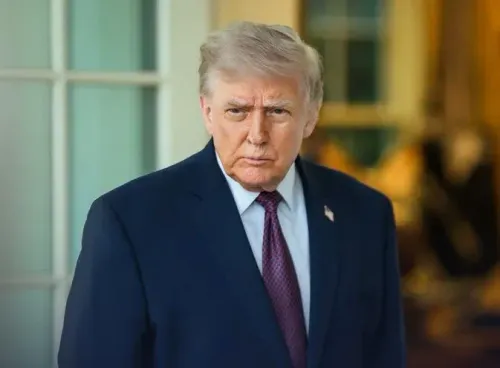
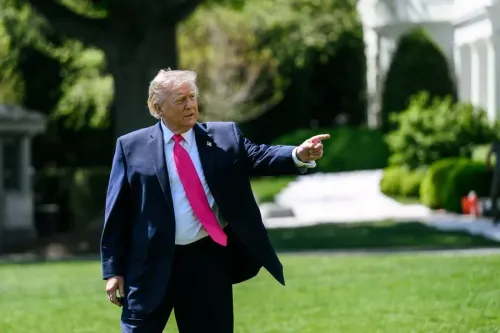
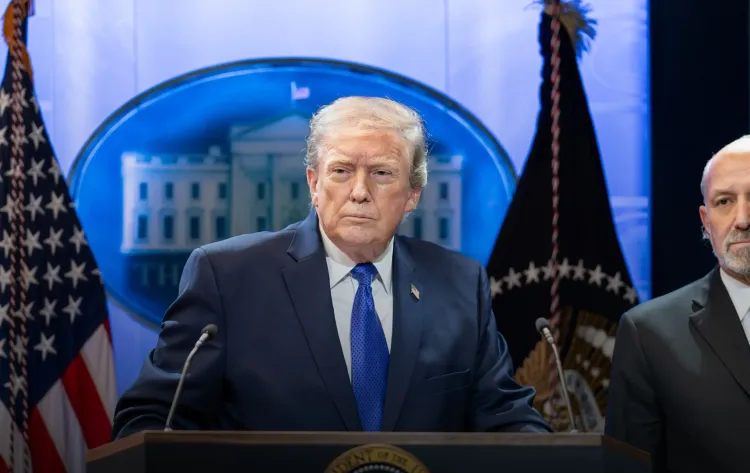
US President Donald Trump on 13 May declared that Iran "cannot have a nuclear weapon" and claimed Tehran's military had been "wiped out," warning that the country would either agree to a deal or face further destruction. Speaking to reporters at the White House before departing aboard Marine One, Trump defended his administration's handling of the ongoing conflict and argued that oil prices and inflation would stabilise once the war ends.
Trump's Core Warning to Tehran
"We'll win it peacefully or otherwise," Trump said. "Their Navy's gone, their Air Force is gone, every single element of their war machine is gone." The President maintained that Tehran had already suffered decisive military losses, adding: "They're defeated militarily and they'll either do the right thing or we'll finish the job."
Trump repeatedly stressed that preventing Iran from acquiring a nuclear weapon was his administration's overriding priority, even above concerns about market volatility or rising consumer prices. "If Iran has a nuclear weapon, the whole world would be in trouble," he said.
Oil Markets and Economic Outlook
Trump predicted a "gusher of oil" would flood global markets once the conflict concludes, claiming the blockade around Iran was "100 per cent effective" and that hundreds of oil tankers were waiting to move. "As soon as this war is over, you're going to see oil prices drop," he said, adding that the stock market — which he described as already "at the highest point in history" — would "go through the roof."
He also dismissed criticism that the conflict had fuelled inflation, arguing that inflation had stood at 1.7 per cent before the war began and characterising current price increases as temporary. The remarks come as oil traders have closely monitored shipping disruptions near the Strait of Hormuz, a critical chokepoint for global crude exports.
Xi Jinping, Pakistan, and NATO
When asked whether Chinese President Xi Jinping could help bring Iran back to negotiations, Trump said: "He could. I mean, it might be. I don't think we need any help with Iran to be honest with you." The response signals Washington's preference to manage the crisis bilaterally rather than through multilateral diplomatic channels.
Trump also offered rare praise for Pakistan's leadership during the interaction. "The field marshal and the prime minister of Pakistan have been absolutely great," he said, without elaborating further. In the same breath, he turned critical of NATO, claiming the alliance "was not there when we wanted them" and asserting: "We don't need NATO."
Broader Context and What's Next
The remarks come amid continuing tensions in West Asia that have unsettled global energy markets and intensified diplomatic engagement among major powers. This is not the first time Trump has framed the Iran conflict in economic terms — his administration has consistently argued that a swift resolution would deliver a peace dividend to US consumers and global markets alike.
Notably, Trump's sweeping claims about Iran's military destruction have not been independently verified, and the trajectory of any potential negotiations remains unclear. Whether Tehran responds to the pressure with diplomacy or escalation will be the defining variable for global energy stability in the weeks ahead.
Point of View
And a 100 per cent effective blockade is an extraordinary assertion that no independent source has confirmed. More significantly, tying post-war oil price relief to the nuclear red line creates a policy framing where economic pain becomes a pressure tool — but also a political liability if the conflict drags on. The dismissal of NATO and the unprompted praise for Pakistan's military leadership suggest Washington's West Asia calculus is reshaping its broader alliance architecture in real time, a shift that mainstream coverage has largely underplayed.
NationPress
29 Sept 2026
Frequently Asked Questions
What did Trump say about Iran's nuclear weapon?
Trump said Iran 'cannot have a nuclear weapon' and described it as the single most important issue his administration faces, warning that a nuclear-armed Iran would put 'the whole world in trouble.' He made the remarks at the White House on 13 May before departing on Marine One.
What claims did Trump make about Iran's military?
Trump claimed Iran's Navy, Air Force, and 'every single element of their war machine' had been destroyed, describing the country as 'defeated militarily.' These claims have not been independently verified.
How did Trump link the Iran conflict to oil prices?
Trump predicted a 'gusher of oil' would hit global markets once the conflict ends, claiming hundreds of tankers were waiting to move and that a 100 per cent effective blockade was holding back supply. He said oil prices would drop and the stock market would surge after the war concludes.
What did Trump say about China's role in Iran negotiations?
When asked if Chinese President Xi Jinping could help bring Iran back to talks, Trump said Xi 'could' but added he did not think Washington needed any help with Iran, signalling a preference for bilateral management of the crisis.
Why did Trump criticise NATO during his Iran remarks?
Trump said NATO 'was not there when we wanted them' and declared 'we don't need NATO,' reflecting his long-standing scepticism of the alliance. The comments came during the same White House interaction where he praised Pakistan's field marshal and prime minister.