CM Sai joins Raipur padyatra on Partition Horrors Day
Synopsis
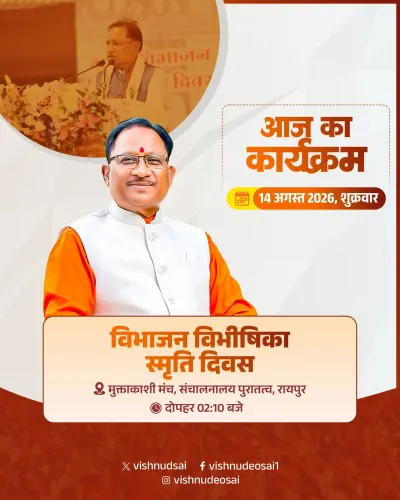
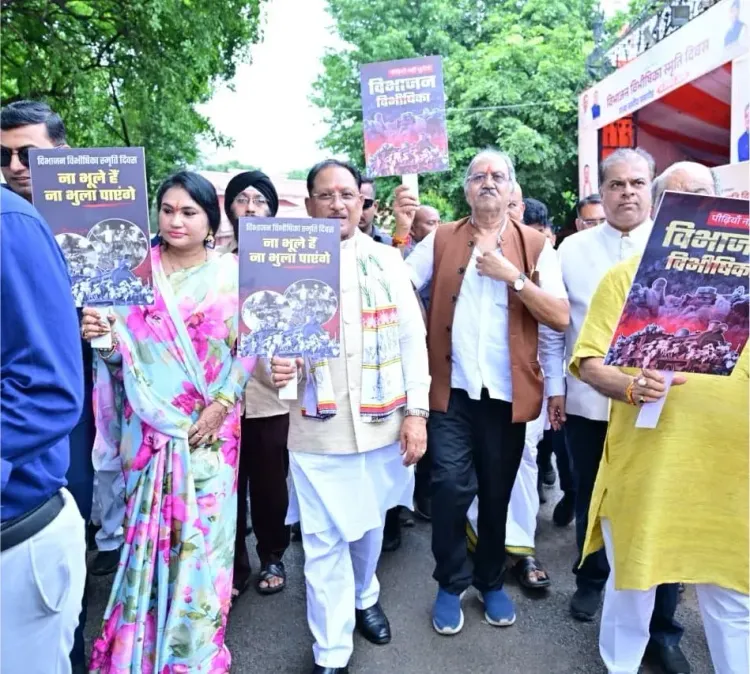
Chhattisgarh Chief Minister Vishnu Deo Sai joined a memorial padyatra in Raipur on 14 August 2026 for Partition Horrors Remembrance Day, honouring victims of the 1947 partition and calling for enduring national unity.
Key Takeaways
CM Vishnu Deo Sai participated in a padyatra in Raipur on 14 August 2026 to observe Partition Horrors Remembrance Day.
He described the 1947 partition as a tragedy of mass displacement and family separations, not merely a border division.
The Government of India designated 14 August as Partition Horrors Remembrance Day in 2021 .
The partition is estimated to have displaced 10–20 million people and caused between 200,000 and 2 million deaths .
CM Sai called on citizens to draw lessons from history and keep national unity and integrity paramount.
State-level BJP events on 14 August form part of a broader pattern of organised public remembrance across India.
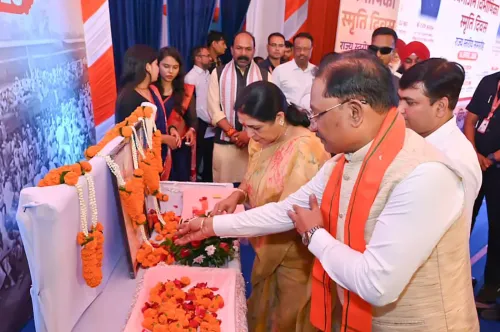
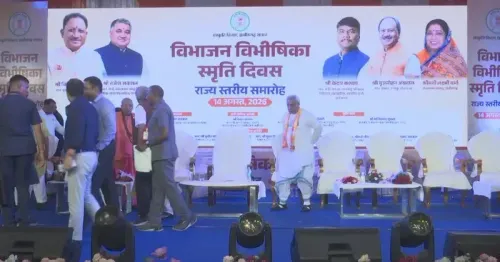
On the eve of Independence Day, the weight of 1947 fell over Raipur — not as distant history, but as a wound still carried. Chhattisgarh Chief Minister Vishnu Deo Sai joined a padyatra (memorial march) in the state capital on 14 August 2026 to mark Partition Horrors Remembrance Day, paying tribute to the millions who lost their lives, their families, and their homes in one of the twentieth century's most devastating human tragedies.
Posting on X, CM Sai wrote: 'Bantware ka dard na hum bhoole hain, na bhula paenge' — 'The pain of partition, we have not forgotten, nor will we ever.' He described the 1947 Partition of India not merely as a redrawing of borders, but as 'the tragedy of displacement of millions of families, separation from loved ones, and unbearable suffering.' He offered his tribute to all those who lost their lives in the horrors of partition.
A date chosen to remember, not to celebrate
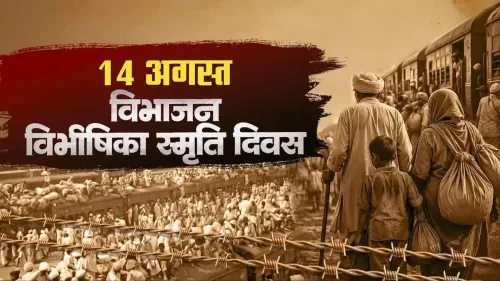
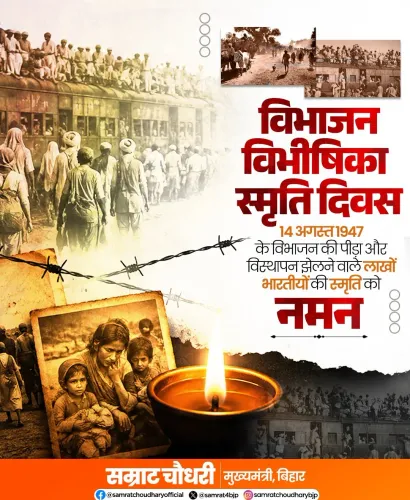
The Government of India declared 14 August as Partition Horrors Remembrance Day in 2021, situating it on the day before Independence Day as a deliberate act of national memory. The choice of date is pointed: the same calendar moment that marks freedom also marks rupture. Historians estimate that the partition displaced between 10 and 20 million people and claimed between 200,000 and 2 million lives in communal violence — figures that remain among the starkest in modern South Asian history.
For families split across the new border, the suffering was intensely personal — abandoned homes, severed kinships, and journeys made under terror. CM Sai's framing echoed this: the partition was not a geopolitical event but a human one, measured in individual losses rather than territorial lines.
Raipur's march and the BJP's pattern of public remembrance
The Raipur padyatra is part of a wider pattern. Across India, and especially in BJP-governed states, 14 August has become a day of organised public remembrance — marches, candlelight vigils, and community gatherings that draw attention to the partition's human cost and reinforce themes of national unity and territorial integrity. For the ruling party, these observances carry both historical and political resonance: they connect present-day national consciousness to a founding trauma, and they frame unity as an imperative earned through suffering.
CM Sai closed his post with a call that framed remembrance as instruction: recalling 'this dark chapter of history' should inspire the nation to 'always keep unity and integrity paramount.' The padyatra in Raipur was, in that sense, less a ceremony of grief and more a civic lesson walked through the streets of the state capital.
Seventy-nine years after partition, the march of memory continues — one step at a time, one city at a time.
Point of View
CM Sai aligns Chhattisgarh with a BJP-driven national remembrance project that has grown steadily since the 2021 declaration of 14 August as Partition Horrors Remembrance Day. These observances serve a dual function: they honour genuine historical suffering while reinforcing a political narrative that links national unity to the lessons of partition-era violence. The emphasis on 'unity and integrity' as the takeaway from partition grief is a recurring rhetorical move that connects historical memory to present-day governance priorities. As these events institutionalise, the question for analysts is whether state-level programmes will evolve beyond ceremonial marches into substantive historical education or community reconciliation initiatives.
NationPress
29 Sept 2026
Frequently Asked Questions
What is Partition Horrors Remembrance Day?
Partition Horrors Remembrance Day is observed every year on 14 August to remember the victims of the 1947 partition of India . The Government of India declared this observance in 2021 to mark the mass displacement, violence, and suffering that accompanied the division of British India into India and Pakistan.
Why did CM Vishnu Deo Sai join a padyatra in Raipur on 14 August 2026?
Chhattisgarh Chief Minister Vishnu Deo Sai participated in the padyatra to mark Partition Horrors Remembrance Day , paying tribute to those who lost their lives or were displaced during the 1947 partition and calling for national unity.
When was Partition Horrors Remembrance Day declared in India?
The Government of India declared 14 August as Partition Horrors Remembrance Day in 2021 , placing it on the day before Independence Day to ensure the human cost of partition is remembered alongside the celebration of freedom.
How many people were affected by the 1947 partition of India?
The 1947 partition is estimated to have displaced between 10 and 20 million people and caused between 200,000 and 2 million deaths due to communal violence, making it one of the largest forced migrations in history.
What did CM Sai say about the partition on 14 August 2026?
CM Sai said the pain of partition 'we have not forgotten, nor will we ever,' describing it as a tragedy of mass displacement and family separations. He called on citizens to learn from this 'dark chapter of history' and always keep national unity and integrity paramount.