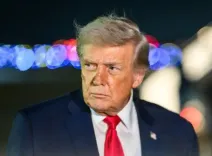
Trump on Iran talks: 'I don't care if they're over'
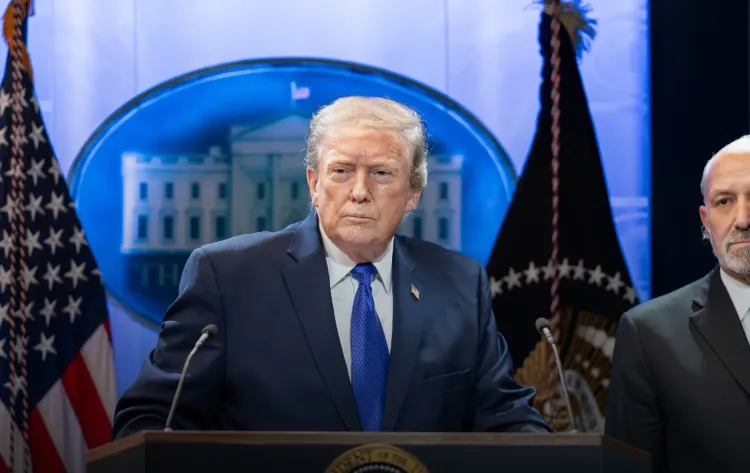
Synopsis
Trump didn't just shrug off a diplomatic breakdown with Iran — he threatened to 'blow them up to kingdom come' if Tehran pursues nuclear weapons. With oil already up 8% on talks fears and Trump predicting a price crash, the gap between Washington's military posture and its diplomatic reality has rarely been this visible.
Key Takeaways
President Trump said on 2 June he was unconcerned if US-Iran nuclear negotiations had ended, saying 'I couldn't care less.' Trump accused Iran of stalling the talks, saying Tehran had taken 'too long' and was 'tapping us along.' Oil prices rose more than 8 per cent on reports Iran was unwilling to continue negotiations.
Trump warned that if Iran pursues a nuclear weapon, 'I will blow them up to kingdom come.' Trump claimed Iran is losing $500 million a day due to the blockade and predicted oil prices would 'drop like a rock.' Trump said he plans to discuss Lebanon with Israeli PM Benjamin Netanyahu and called on Europe to do more to secure maritime routes.
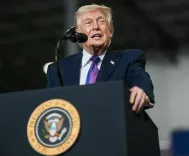
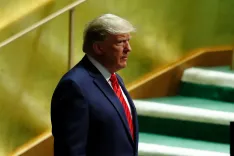
US President Donald Trump said on 2 June that he was entirely unconcerned about reports that Iran may be walking away from nuclear negotiations with Washington, dismissing the diplomatic uncertainty while reaffirming that preventing Tehran from acquiring a nuclear weapon remained his singular priority.
Trump's Direct Words
Speaking in a phone interview with a CNBC senior Washington correspondent, Trump was blunt about the prospect of talks collapsing. 'I don't care if they're over, honestly. I really don't care. I couldn't care less,' he said when pressed on whether negotiations had ended. 'If they're over, they're over. If they're not, you know, I think they took too much time,' he added. 'Frankly, I thought they started to get very boring.'
Trump went further, accusing Iran of deliberately stalling. 'It took too long. I thought they were tapping us along, that's all,' he said. Asked directly whether Tehran had been playing for time, Trump replied: 'Yeah. I thought that, yeah, I did.'
Oil Markets React Sharply
The interview coincided with a notable move in global energy markets. The CNBC correspondent noted that oil prices had risen more than 8 per cent on reports that Iran was no longer willing to continue negotiations. Trump, however, brushed aside concerns about rising fuel costs, predicting a sharp reversal. 'I think the oil will be dropping like a rock in the very near distance,' he said. 'You have 1,700 boats right now that are loaded up with oil, and that's going to be like an oil gusher.'
Trump also addressed concerns about maritime disruption in the Strait of Hormuz, insisting traffic was continuing. 'The strait is already open,' he said. 'Many boats have gone out of there over the last week.' He claimed Iran was absorbing a severe economic cost, stating: 'As far as I'm concerned, they can continue to lose $500 million a day, which is what they lose because of the blockade.'
Nuclear Red Line and a Stark Warning
Trump repeatedly returned to what he framed as the core issue. 'The thing I care about most at this point in life is that Iran will not have a nuclear weapon,' he said. He then issued an unambiguous threat: 'And if they want to try and have a new nuclear weapon, I will blow them up to kingdom come.'
The President argued that Americans should accept higher fuel prices as the cost of preventing a nuclear-armed Iran. 'Once you explain that this is all about Iran having a nuclear weapon, people are willing to pay a little bit more,' he said, predicting gasoline prices would fall once the crisis was resolved.
Israel, Lebanon, and Europe's Role
Trump linked the diplomatic impasse to the broader regional conflict involving Israel. Asked whether he had discussed the situation with Israeli Prime Minister Benjamin Netanyahu, Trump said he had not, but indicated he intended to raise the question of Lebanon with Netanyahu. He also suggested that European allies should take on a greater share of responsibility for securing maritime routes, arguing that Europe was more dependent on the region's energy supplies than the United States.
With Iran-US talks now in uncertain territory and oil markets already reacting, the next diplomatic move — or military signal — from either side will be closely watched.
Point of View
But it forecloses diplomatic off-ramps and raises the stakes for any miscalculation in the Strait of Hormuz. Notably, Trump's confidence that oil will 'drop like a rock' rests on an assertion about 1,700 tankers — a claim that, if wrong, could translate into a politically costly fuel price surge he has already tried to pre-explain away.
NationPress
19 Sept 2026
Frequently Asked Questions
What did Trump say about the Iran nuclear talks?
Trump said on 2 June that he 'couldn't care less' if negotiations with Iran had ended, accusing Tehran of stalling and saying the talks had taken too long. He reaffirmed that stopping Iran from obtaining a nuclear weapon was his top priority.
Why did oil prices rise amid the Iran talks uncertainty?
Oil prices rose more than 8 per cent on reports that Iran was no longer willing to continue negotiations with the US. Concerns about potential disruption to the Strait of Hormuz, a critical maritime route for global energy supplies, added to market anxiety.
What warning did Trump issue to Iran over nuclear weapons?
Trump issued a direct threat, saying 'if they want to try and have a new nuclear weapon, I will blow them up to kingdom come.' He described preventing a nuclear-armed Iran as the issue he cares about most.
What did Trump say about the Strait of Hormuz and oil prices?
Trump insisted the Strait of Hormuz was already open and that maritime traffic was continuing. He predicted oil prices would 'drop like a rock,' citing what he described as 1,700 oil-laden vessels already moving through global markets.
Did Trump discuss the Iran situation with Israeli PM Netanyahu?
Trump said he had not yet spoken with Israeli Prime Minister Benjamin Netanyahu specifically about Iran, but indicated he planned to ask Netanyahu about the situation in Lebanon. He also called on European allies to take greater responsibility for securing regional maritime routes.