US strikes Iran's Qeshm Island near Strait of Hormuz, WSJ reports
Synopsis
The US has been secretly striking Iran for weeks — and Qeshm Island, sitting at the mouth of the Strait of Hormuz, is the latest target. Trump is simultaneously threatening a major bombing campaign and hinting at a deal, as oil prices plunge on reduced war-risk bets. The midterm elections may decide which track wins out.
Key Takeaways
The United States struck Iran's Qeshm Island near the Strait of Hormuz on Monday, 3 November 2026 , according to The Wall Street Journal .
The strikes are part of a covert, weeks-long campaign of limited operations that Washington has not publicly acknowledged.
US officials described the attacks as defensive, aimed at protecting commercial shipping through the Strait of Hormuz .
President Trump said he is 'in no rush' on major military action, while simultaneously signalling diplomatic openness.
Iranian President Masoud Pezeshkian said Tehran remains willing to negotiate, even as officials warned of an unrestrained response to any new attack.
Global crude oil prices reportedly fell by almost 10 US dollars a barrel on reduced war-risk expectations.
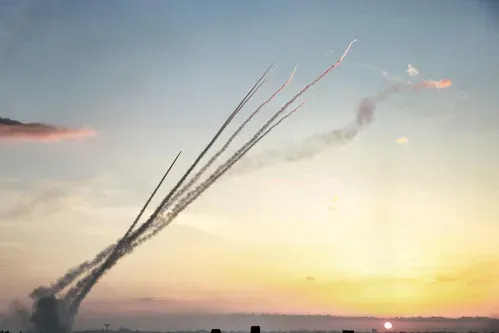
The United States has carried out strikes on Iran's Qeshm Island, a strategically located landmass near the Strait of Hormuz, The Wall Street Journal reported on 3 November 2026, citing US officials. The attacks, conducted on Monday local time, are reportedly part of a covert campaign of limited strikes Washington has been running against Iran for several weeks.
What the Strikes Targeted
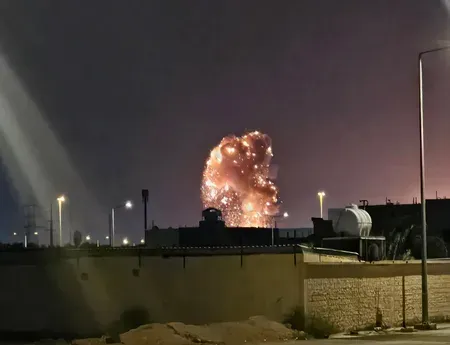
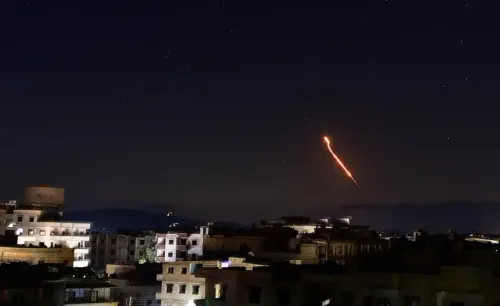
According to the report, the operations were described by some US officials as defensive in nature — aimed at preventing Iran from freely attacking commercial vessels transiting the Strait of Hormuz, one of the world's most critical oil shipping chokepoints. Explosions near Qeshm Island were reported on social media on Monday, corroborating the account. Unlike earlier phases of the conflict, Washington has not publicly acknowledged the strikes, reportedly to avoid signalling any intention of resuming large-scale military operations.
Trump's Dual-Track Strategy
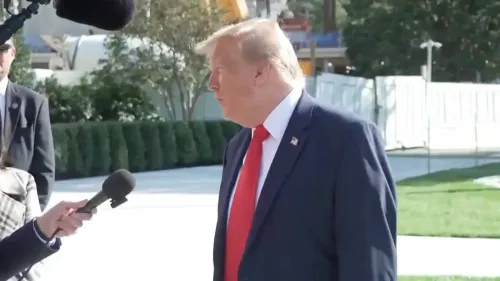
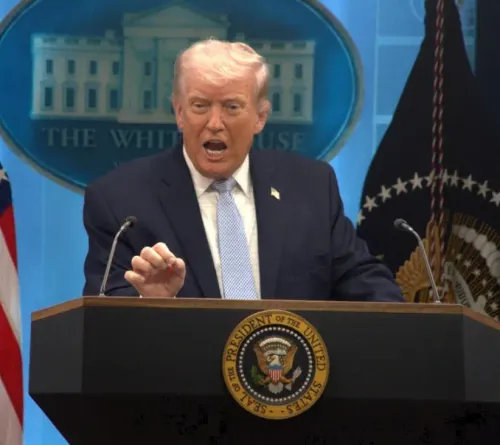
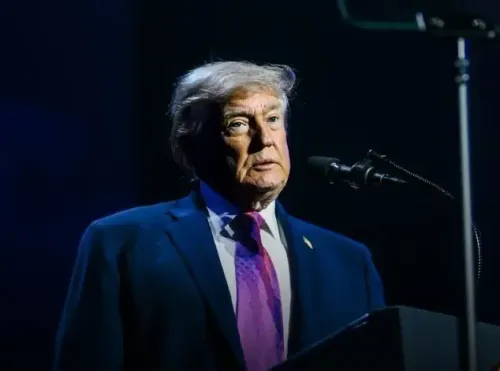
US President Donald Trump struck a measured tone in a phone interview with Axios on Monday, saying he was 'in no rush' to decide whether to resume major military action. 'One way or the other, we will do something, but there is no rush. We crippled them financially. They have no money, no gasoline, and their people are getting very tired of it,' he said. Separately, Trump posted on Truth Social: 'Oil Prices are dropping like a rock, down almost 10 US dollars a barrel, a record, because people feel that there will not be a war with Iran. Iran wants a settlement as soon as possible. It could happen.' Analysts note that Trump appears to be pursuing two simultaneous tracks — allowing diplomatic overtures to continue while keeping the military option firmly on the table.
US Midterms as a Potential Turning Point
The US midterm elections are being closely watched as a potential inflection point, with reports suggesting they could influence Trump's decision on whether to launch a broader bombing campaign against Iran. The covert strikes represent a calibrated middle path: enough pressure to constrain Iranian activity in the Strait of Hormuz, while stopping short of a full military escalation that could disrupt fragile diplomatic channels. This is a notably different posture from the early weeks of the conflict, when US strikes were publicly announced.
Iran's Response and Diplomatic Signals
Iranian officials have warned that any fresh attack would trigger an 'unrestrained response.' However, Iranian President Masoud Pezeshkian signalled a degree of flexibility, saying Tehran remained willing to continue negotiations, according to Iran's official news agency IRNA. The dual messaging — warnings of retaliation alongside openness to talks — reflects the high-stakes balancing act both sides appear to be performing. The Strait of Hormuz handles roughly 20% of global oil flows, meaning any sustained military confrontation carries immediate consequences for energy markets worldwide.
Oil Markets React
Global crude oil prices have reportedly fallen sharply, with Trump claiming prices dropped 'almost 10 US dollars a barrel' — describing it as a record move driven by reduced war risk. The decline reflects market expectations that a full-scale resumption of hostilities remains unlikely in the near term, though analysts caution that the situation remains fluid. Any escalation near the Strait of Hormuz could rapidly reverse those gains.
Point of View
The margin for miscalculation is razor thin.
NationPress
3 Nov 2026
Frequently Asked Questions
What happened at Iran's Qeshm Island on 3 November 2026?
The United States reportedly struck Iran's Qeshm Island, located near the Strait of Hormuz, according to The Wall Street Journal citing US officials. The attack was part of a covert series of limited strikes Washington has been carrying out against Iran for several weeks.
Why has the US been conducting secret strikes against Iran?
Some US officials described the operations as defensive, aimed at stopping Iran from freely targeting commercial vessels in the Strait of Hormuz. Washington has kept the campaign covert to avoid signalling any intention of resuming full-scale military operations, according to reports.
What did President Trump say about the Iran situation?
Trump said he was 'in no rush' to decide on major military action in a phone interview with Axios on Monday. He also posted on Truth Social that oil prices had dropped nearly 10 US dollars a barrel because markets believed a war with Iran was less likely, adding 'Iran wants a settlement as soon as possible.'
How has Iran responded to the US strikes?
Iranian officials have warned that any new attack would trigger an unrestrained response. However, Iranian President Masoud Pezeshkian said Tehran remained willing to continue negotiations, according to Iran's official news agency IRNA, suggesting a dual track of deterrence and diplomacy.
What is the significance of the Strait of Hormuz to global oil markets?
The Strait of Hormuz is one of the world's most critical oil shipping chokepoints, handling roughly 20% of global oil flows. Any sustained military confrontation in the area carries immediate consequences for global energy prices, which is why oil markets reacted sharply to news of the strikes and diplomatic signals.