Shiv Sena (UBT) hails 'Chalo Delhi' rally as start of democratic revolution
Synopsis
Shiv Sena (UBT)'s Saamana editorial declares the 'Chalo Delhi' rally a democratic revolution in the making — drawing a direct parallel to JP Narayan's 1975 Ramlila Maidan crusade and training its sharpest fire on Chief Election Commissioner Gyanesh Kumar, whom it accuses of shielding the Modi-Shah government from accountability over alleged mass voter list deletions.
Key Takeaways
Shiv Sena (UBT) declared in its mouthpiece Saamana that the 'Chalo Delhi' rally marks the beginning of a 'democratic revolution' in India.
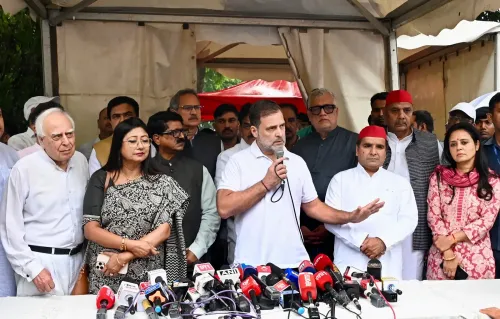
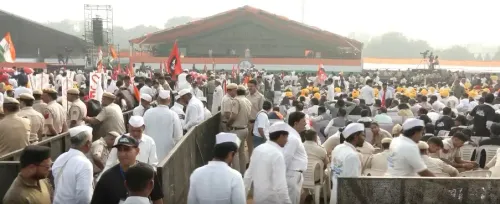
The rally, held at Ramlila Maidan, New Delhi , was organised by the INDIA bloc to protest alleged electoral malpractices and voter list deletions.
Chief Election Commissioner Gyanesh Kumar was accused of acting as a 'protective shield' for the Central government.
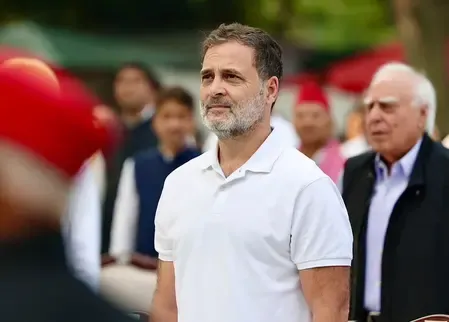
Leader of the Opposition Rahul Gandhi reportedly vowed legal action against institutional figures complicit in electoral malpractices.
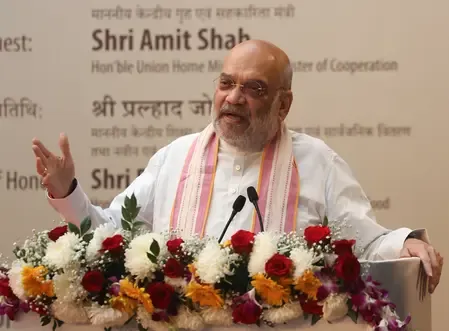
Home Minister Amit Shah called the rally an invitation to 'political anarchy' and defended the Special Intensive Revision (SIR) process.
The editorial drew a historical parallel to Jayaprakash Narayan 's pro-democracy rally at the same ground on 25 June 1975 .
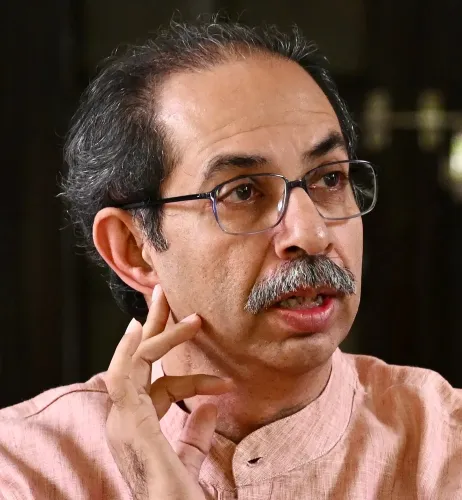
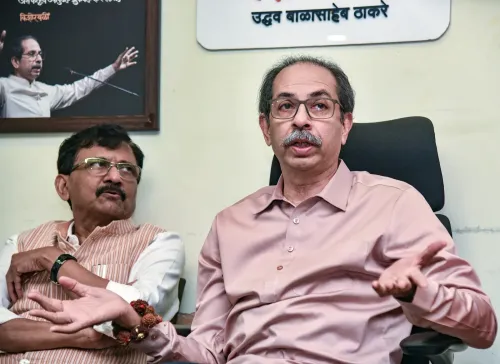
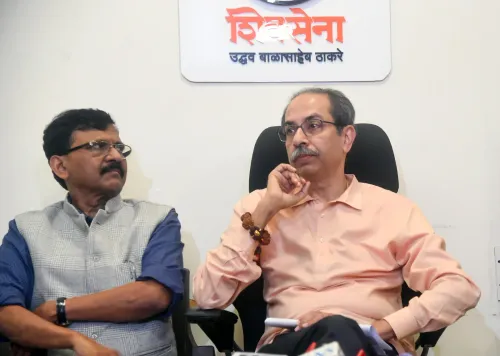
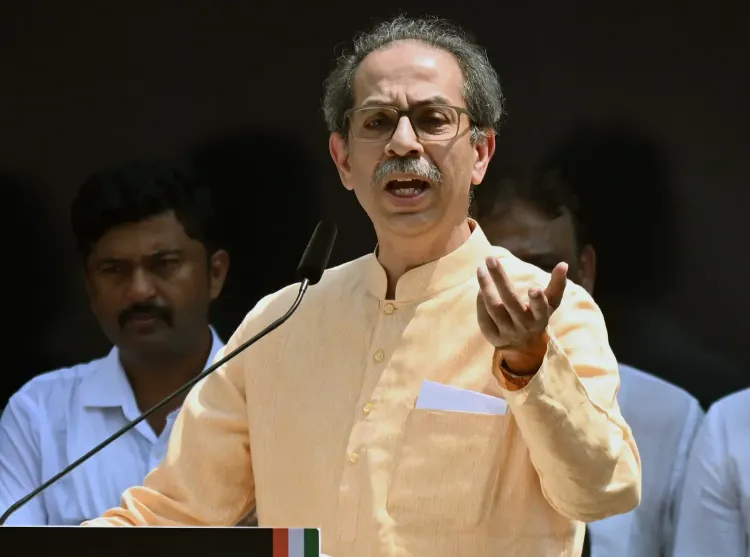
Shiv Sena (Uddhav Balasaheb Thackeray) on Tuesday, 3 November 2026, declared that a sweeping political revolution is underway across India following the opposition-led 'Chalo Delhi' rally at Ramlila Maidan in New Delhi. The Thackeray faction, through an editorial in its party mouthpiece Saamana, claimed the rally's massive turnout had 'shaken the foundational walls' of Prime Minister Narendra Modi and Home Minister Amit Shah's administration.
What the Rally Was About
The 'Chalo Delhi' rally was organised by the INDIA bloc — the broader opposition coalition — to protest alleged large-scale electoral malpractices, voter list manipulations, and what opposition leaders collectively term a systematic 'vote-theft project'. Leaders from across the coalition converged at the historic Ramlila Maidan, defying heavy police deployment and multi-layered barricading that reportedly caused significant vehicular and pedestrian congestion on Delhi's arterial roads.
While Bharatiya Janata Party (BJP) leaders sought to characterise the gathering as a minor event attended by a few thousand, observers noted that hundreds of thousands had assembled at the venue, according to reports.
Saamana's Broadside Against the Election Commission
The Thackeray camp directed a pointed attack at Chief Election Commissioner (CEC) Gyanesh Kumar, arguing that concerns over voter list discrepancies now go beyond opposition rhetoric and are rooted in disclosures made by sitting election commissioners themselves. The Saamana editorial accused Kumar of acting as a 'protective shield' for the Central government, alleging that institutional mechanisms were being deployed to shield the top leadership from accountability.
'Vote-theft has now become a national slogan; it is the declaration of the people. Scams in the voter lists, the deletion of crores of voters' names, and working to assist Modi and Shah under the guise of SIR do not constitute anarchy. On the contrary, this is a people's rebellion against the terrible situation created by Modi, Shah, and Gyanesh Kumar,' the editorial stated.
The Thackeray faction further countered Home Minister Shah's defence of the ongoing Special Intensive Revision (SIR) process, calling it 'absurd' to categorise millions of deleted Indian voters across multiple states as foreign nationals or infiltrators.
What Opposition Leaders Said
The editorial cited Leader of the Opposition Rahul Gandhi, who reportedly asserted that the Modi-Shah leadership had lost its moral mandate in the 2024 general elections and was sustained in office only through administrative and institutional support. Gandhi, according to the editorial, vowed legal recourse and declared that institutional figures complicit in electoral malpractices would eventually face judicial accountability.
Notably, the editorial drew a pointed historical parallel — framing the rally's energy as comparable to, and in its view surpassing, the landmark pro-democracy and anti-corruption mobilisation led by Jayaprakash Narayan from the same Ramlila Maidan on 25 June 1975.
The Government's Counter
Home Minister Amit Shah reportedly characterised the 'Chalo Delhi' call as an invitation to 'political anarchy' and defended the SIR process, arguing that the opposition was attempting to shield illegal foreign infiltrators. Prime Minister Modi, according to the editorial, accused opposition leaders of attempting to divide the nation for short-term political gains.
What the Thackeray Camp Says Comes Next
Uddhav Thackeray's Shiv Sena asserted that the momentum generated at Ramlila Maidan marks the beginning of a sustained national movement aimed at restoring constitutional integrity and holding the current establishment accountable. The party framed the rally as a decisive turning point, signalling that the opposition intends to escalate its challenge to the ruling dispensation in the months ahead.
Point of View
Designed to give the INDIA bloc's voter-list campaign a legitimising historical weight it has so far struggled to earn in the mainstream. The attack on CEC Gyanesh Kumar by name is also significant: by conflating an independent constitutional office with the ruling dispensation, the opposition is laying groundwork for a credibility war ahead of state elections. The BJP's counter-framing — casting deleted voters as 'infiltrators' — is equally telling, suggesting the government recognises the political potency of the issue even as it dismisses the rally's scale. What neither side has yet provided is verifiable data on the actual quantum of voter deletions across the contested states, which remains the crux of the dispute.
NationPress
3 Nov 2026
Frequently Asked Questions
What was the 'Chalo Delhi' rally about?
The 'Chalo Delhi' rally was an opposition-organised protest held at Ramlila Maidan in New Delhi, convened by the INDIA bloc to highlight alleged large-scale electoral malpractices, voter list manipulations, and the deletion of crores of voters' names. Opposition leaders framed these actions as a systematic 'vote-theft project' by the ruling establishment.
What did Shiv Sena (UBT) say about the rally in Saamana?
Shiv Sena (UBT)'s mouthpiece Saamana published an editorial declaring the rally the beginning of a democratic revolution, comparing its energy to Jayaprakash Narayan's historic 1975 anti-Emergency crusade from the same Ramlila Maidan. The editorial accused Chief Election Commissioner Gyanesh Kumar of acting as a protective shield for the Modi-Shah government.
What did Rahul Gandhi say at the Chalo Delhi rally?
According to the Saamana editorial, Leader of the Opposition Rahul Gandhi stated that the Modi-Shah leadership had lost its moral mandate in the 2024 general elections and was only sustained through institutional support. Gandhi reportedly vowed legal recourse, warning that officials complicit in electoral malpractices would face judicial accountability.
How did the BJP respond to the 'Chalo Delhi' rally?
Home Minister Amit Shah characterised the 'Chalo Delhi' call as an invitation to political anarchy and defended the Special Intensive Revision (SIR) process, arguing that the opposition was trying to shield illegal foreign infiltrators. Prime Minister Narendra Modi reportedly accused opposition leaders of attempting to divide the nation for short-term political gains.
Why is the opposition targeting Chief Election Commissioner Gyanesh Kumar?
The opposition, including Shiv Sena (UBT), alleges that CEC Gyanesh Kumar has used institutional mechanisms to shield the Central government from accountability over alleged voter list discrepancies. The Saamana editorial argued that concerns over voter deletions are no longer just opposition rhetoric, claiming they are supported by disclosures from sitting election commissioners.