Yemen PLC chief Rashad al-Alimi reshuffles cabinet amid Houthi pressure on Aden
Synopsis
With Houthi forces pushing within 80 km of Aden and threatening the Bab al-Mandab Strait corridor, Yemen's PLC chief Rashad al-Alimi has simultaneously reshuffled three cabinet posts and overhauled front-line military command — a dual move that reveals both administrative urgency and battlefield anxiety in a war now entering its eleventh year.
Key Takeaways
Rashad al-Alimi , PLC chief and supreme commander, reshuffled cabinet and military posts on 3 November 2025 .
Salem al-Awlaki (information), Akram al-Amri (civil service and insurance), and Ahmed Saleh al-Awlaki (local administration) were newly appointed ministers.
Military leadership overseeing the Tur al-Bahah front in Lahj province was also changed amid Houthi advances.
Fighting is intensifying 80 km northwest of Aden , with Houthi gains in Al-Maqatirah district threatening routes to the Bab al-Mandab Strait .
The Saudi-led coalition said it intercepted a ballistic missile and two drones launched toward Saudi Arabia on the same day.
Yemen's civil war has continued since the Houthis seized Sanaa in late 2014 and the coalition intervened in 2015 .
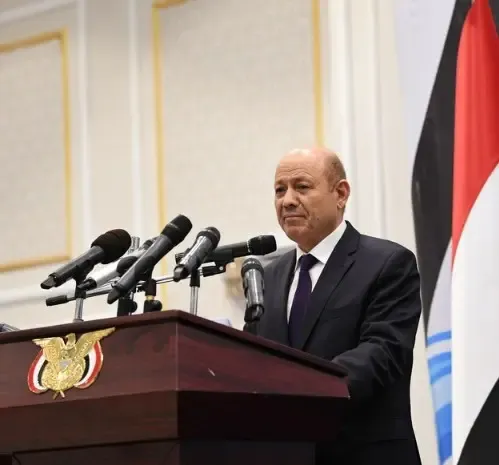
Yemen's Presidential Leadership Council (PLC) chief Rashad al-Alimi has reshuffled key cabinet and military posts as Houthi forces advance toward Aden, placing internationally recognised government troops under mounting battlefield pressure. The changes were reported by the government-run Saba news agency on Monday, 3 November 2025.
Cabinet Appointments
In Prime Minister Shaya al-Zindani's government, the reshuffle saw Salem al-Awlaki named as information minister, Akram al-Amri appointed civil service and insurance minister, and Ahmed Saleh al-Awlaki installed as local administration minister. The appointments signal an effort to tighten administrative control at a critical juncture in the conflict.
Military Leadership Overhaul on the Lahj Front
Al-Alimi, who also serves as supreme commander of the armed forces, separately ordered changes to high-ranking military leadership overseeing the Tur al-Bahah front in the southern province of Lahj. Government forces in that area have been battling a Houthi push toward Aden. Fighting has intensified near the entrance to Tur al-Bahah district, approximately 80 km northwest of Aden, following recent Houthi advances through the mountainous Al-Maqatirah district in the same province.
Strategic Stakes at the Bab al-Mandab
The Houthi offensive threatens strategic routes linking Aden and the southwestern province of Taiz, and ultimately leading to the Bab al-Mandab Strait — one of the world's most critical maritime chokepoints. Control of these corridors would significantly shift the balance of power in Yemen's decade-long civil war.
Saudi-Led Coalition Intercepts Missiles and Drones
In a statement posted on social media platform X on Monday, the Saudi-led coalition said it had intercepted and destroyed a ballistic missile and two drones launched by the Houthi group toward Saudi Arabia, without providing further operational details. Recent weeks have seen escalating cross-border hostilities, with Saudi strikes hitting Houthi-held areas in Yemen and the Houthis launching missiles and drones in the opposite direction.
Background: A Conflict That Has Dragged On Since 2014
Yemen has been mired in conflict since late 2014, when the Houthis seized Sanaa and much of northern Yemen. A Saudi-led coalition intervened in 2015 in support of the internationally recognised government. Despite intermittent ceasefire attempts and UN-mediated talks, a durable settlement has remained elusive. The latest reshuffle and front-line pressure suggest the conflict is entering a new phase of intensity, with Aden — the government's de facto capital — now more directly in the crosshairs.
Point of View
Not rewriting strategy. The real story is the geography: if Houthi forces consolidate control through Al-Maqatirah and cut the Aden-Taiz corridor, the internationally recognised government loses not just terrain but the logistical spine of its southern redoubt. A decade of Saudi intervention and billions in military support have not prevented this pressure point from emerging. The Bab al-Mandab angle adds global stakes that go far beyond Yemen's internal politics — any shift in control near that strait has immediate implications for Red Sea shipping, energy transit, and the strategic calculus of powers far removed from Sanaa.
NationPress
3 Nov 2026
Frequently Asked Questions
Why has Yemen's PLC chief reshuffled the cabinet?
PLC chief Rashad al-Alimi reshuffled key cabinet and military posts on 3 November 2025 as Houthi forces advanced toward Aden, intensifying pressure on government-held southern Yemen. The move is widely seen as an attempt to tighten administrative and military command during a critical phase of fighting.
Where is the current fighting in Yemen concentrated?
The most intense fighting is near the entrance to Tur al-Bahah district in Lahj province, approximately 80 km northwest of Aden. Houthi forces have recently advanced through the mountainous Al-Maqatirah district, threatening strategic routes linking Aden, Taiz, and the Bab al-Mandab Strait.
What did the Saudi-led coalition intercept on 3 November?
The Saudi-led coalition stated on social media platform X that it intercepted and destroyed a ballistic missile and two drones launched by the Houthi group toward Saudi Arabia on Monday. No further operational details were provided in the statement.
Why is the Bab al-Mandab Strait significant in this conflict?
The Bab al-Mandab Strait is one of the world's most critical maritime chokepoints, linking the Red Sea to the Gulf of Aden and the Indian Ocean. Houthi control of routes leading to it would give them leverage over global shipping and significantly strengthen their strategic position in the war.
How long has the Yemen conflict been going on?
Yemen has been in civil war since late 2014, when the Houthis seized Sanaa and much of northern Yemen. A Saudi-led coalition intervened in 2015 in support of the internationally recognised government, and the conflict has continued with no durable resolution for over a decade.