Spain Urda train crash: All 69 victims identified, 29 still hospitalised
Synopsis
Spain's deadliest recent rail disaster has reached a grim milestone: all 69 victims of the Urda high-speed train collision have been formally identified, with 15 foreign nationals among the dead from 11 countries. With 29 still hospitalised and Civil Guard officers still combing the site for remains, the human toll is fully mapped — but the question of how two high-speed trains came to occupy the same stretch of the Madrid-Andalusia line remains unanswered.
Key Takeaways
All 69 victims of the Urda high-speed train collision in central Spain have been formally identified as of 3 November 2025 .
Victims include 54 Spanish nationals and 15 foreign citizens from 11 countries , including the US, Australia, Japan, France, and Mexico.
56 identifications were made via fingerprint analysis; 13 required DNA testing by the National Institute of Toxicology .
29 people remain hospitalised across four facilities — 9 in ICU and 20 in general wards ; 81 of the original 110 patients have been discharged.
All train carriages from operators Iryo and Renfe have been removed from the Madrid-Andalusia high-speed line .
Approximately 50 Civil Guard officers continue to search the site for human remains.
All 69 victims of last week's deadly high-speed train collision near Urda, central Spain, have been formally identified, authorities confirmed on Monday, 3 November 2025. Of those, 29 injured survivors remain hospitalised across four facilities, including nine in intensive care units.
Victim Breakdown and Identification Process
Spain's Integrated Data Center (CID) confirmed that the provisional death toll stands at 69 — comprising 54 Spanish nationals and 15 foreign citizens. Among the deceased were 40 men and 29 women, all adults.
The foreign victims included four Americans, two Australians, two Japanese nationals, and one each from Argentina, Canada, the Czech Republic, France, Mexico, Portugal, and Tunisia.
The Institute of Legal Medicine and Forensic Sciences of Toledo and Ciudad Real completed the identification process. Of the 69 victims, 56 were identified through fingerprint analysis conducted by the Civil Guard's Criminalistics Service, while the remaining 13 were identified via DNA testing by the National Institute of Toxicology. Families of all victims have been notified, and relevant consular offices have been informed in cases involving foreign nationals.
Hospitalisation and Patient Status
The regional government of Castilla-La Mancha reported that 29 people injured in the collision remain hospitalised across four hospitals — nine in intensive care units and 20 in general wards. Of the 110 patients initially admitted to six hospitals following the crash, 81 have since been discharged. Nine patients have been transferred to hospitals in Madrid, including one on Monday, while another has been moved to a facility in Andalusia.
Accident Site Recovery Operations
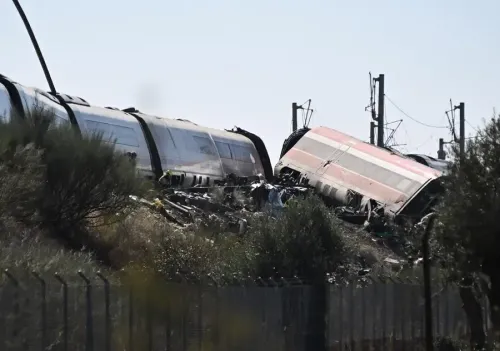
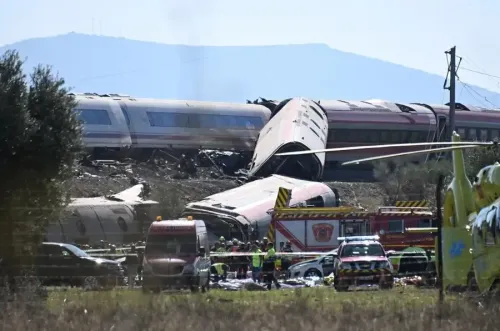
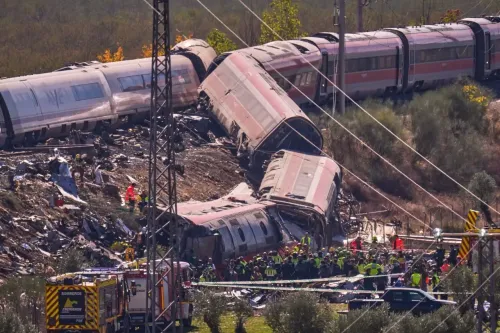
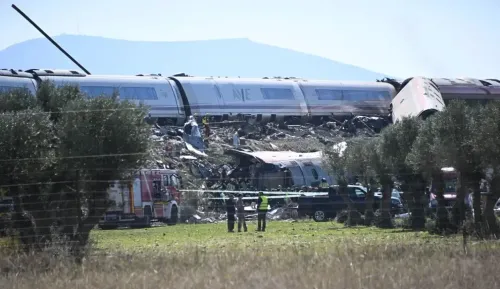
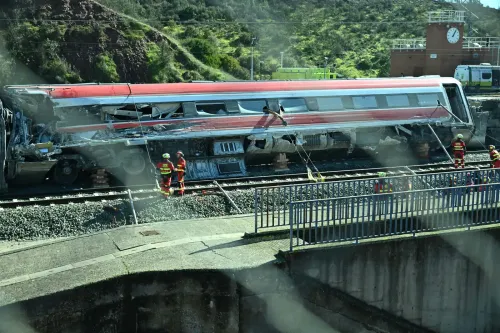
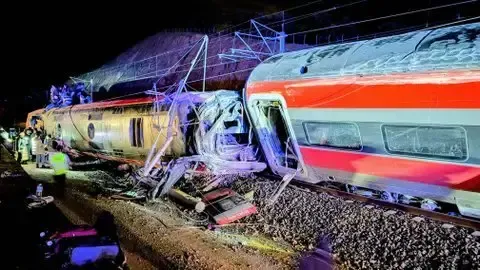
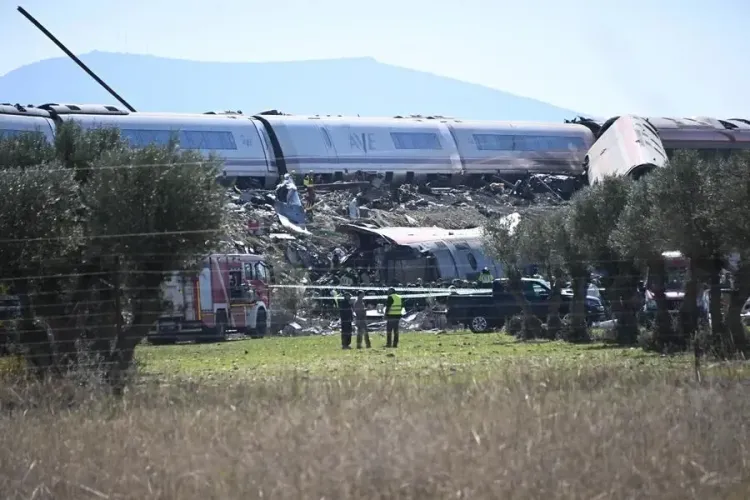
Recovery operations at the crash site have progressed significantly. All carriages of both trains involved in the collision — operated by Iryo and Spain's national railway operator Renfe — have been removed from the tracks, according to Civil Guard sources. The carriages of the Renfe AVE train were cleared overnight and transferred to a secure area, while the final two carriages of the Iryo train were removed from the Madrid-Andalusia high-speed railway line on Monday afternoon.
Search for Remains Continues
Despite the completion of formal victim identification, the Civil Guard continues to search the accident site for human remains, with approximately 50 officers deployed in the area. The search underscores the scale of the disaster and the authorities' commitment to ensuring no remains are left unrecovered. This collision ranks among the deadliest rail accidents in Spain in recent years, prompting urgent scrutiny of high-speed rail safety protocols and operational coordination between competing train operators sharing the same corridor.
Investigators are expected to release preliminary findings on the cause of the collision in the coming days, with questions remaining over signalling systems and operational authorisation on the shared Madrid-Andalusia high-speed line.
Point of View
But the harder questions are just beginning. Two competing private and public operators — Iryo and Renfe — sharing a single high-speed corridor is a structural arrangement that has drawn criticism since Spain liberalised its rail market. The crash demands scrutiny not just of signalling failures but of whether the operational handshake between competing carriers on shared infrastructure is robust enough for the speeds involved. With 15 foreign nationals dead from 11 countries, this is also a diplomatic incident — and the pace of the official investigation will be watched beyond Spain's borders.
NationPress
3 Nov 2026
Frequently Asked Questions
How many people died in the Urda train crash in Spain?
A total of 69 people died in the high-speed train collision near Urda in central Spain. The provisional death toll, confirmed by Spain's Integrated Data Center (CID), includes 54 Spanish nationals and 15 foreign citizens.
Which nationalities were among the foreign victims of the Urda crash?
The 15 foreign victims came from 11 countries: four Americans, two Australians, two Japanese, and one each from Argentina, Canada, the Czech Republic, France, Mexico, Portugal, and Tunisia.
How were the Urda crash victims identified?
The Institute of Legal Medicine and Forensic Sciences of Toledo and Ciudad Real led the identification process. Of the 69 victims, 56 were identified through fingerprint analysis by the Civil Guard's Criminalistics Service, and the remaining 13 through DNA testing by the National Institute of Toxicology.
How many people are still in hospital after the Spain train crash?
As of 3 November 2025, 29 people injured in the Urda collision remain hospitalised — 9 in intensive care units and 20 in general wards. Of the 110 patients initially admitted, 81 have been discharged.
Which train operators were involved in the Urda collision?
The collision involved trains operated by Iryo and Renfe, Spain's national railway operator. Both sets of carriages have since been removed from the Madrid-Andalusia high-speed railway line.