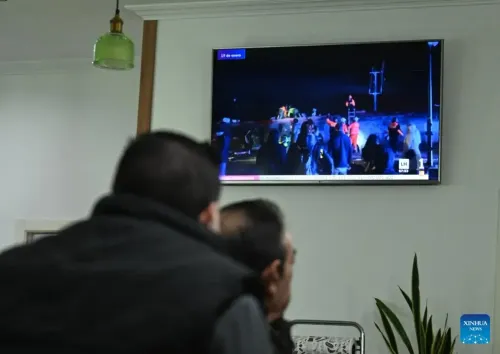
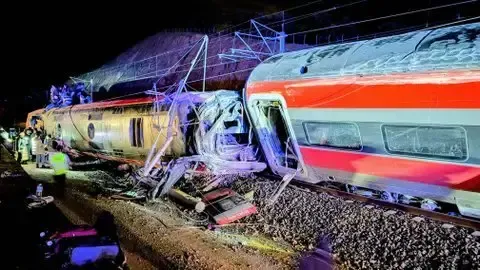
Spain high-speed train crash kills 68; UN chief expresses shock
Synopsis
At least 68 people are dead after a Renfe high-speed train rear-ended a stationary Iryo train on the Madrid-Seville line in Toledo province — one of Spain's deadliest rail disasters in years. The UN Secretary-General expressed shock, PM Sánchez declared three days of national mourning, and investigators are now probing how two trains ended up on the same section of track.
Key Takeaways
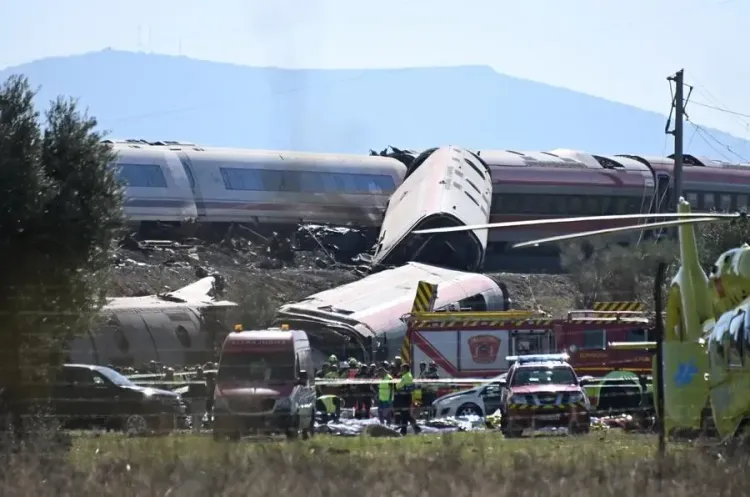
At least 68 people were killed and dozens injured when a Renfe high-speed train struck a stationary Iryo train on the Madrid-Seville line in Toledo province on Wednesday .
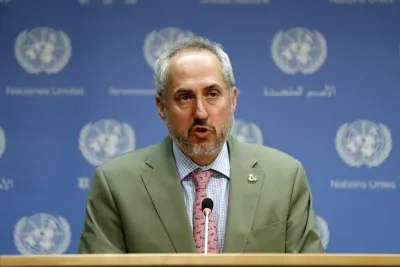
UN Secretary-General António Guterres expressed deep shock and extended condolences to the families of the victims and to the government of Spain.
Spanish Prime Minister Pedro Sánchez declared three days of official national mourning and pledged a full judicial and technical investigation.
Sánchez vowed to hold responsible parties accountable if human error, operational negligence, or automatic safety system failures are confirmed.
Railway safety regulators have launched a formal inquiry into why two high-speed passenger trains came to occupy the same track section simultaneously.
United Nations Secretary-General António Guterres expressed profound shock and sorrow on Wednesday over a catastrophic high-speed train collision in Spain that killed at least 68 people and left dozens more injured. Guterres extended his deepest condolences to the bereaved families, and to the people and government of Spain, according to his spokesman Stéphane Dujarric.
What Happened on the Toledo Track
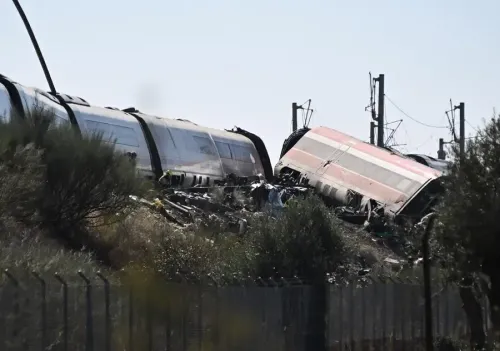
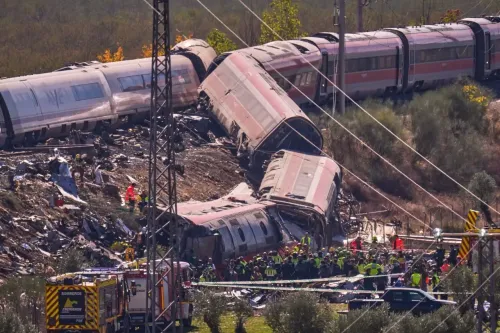
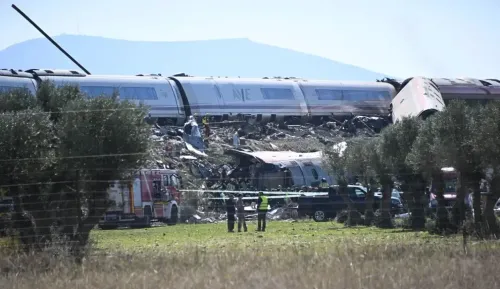
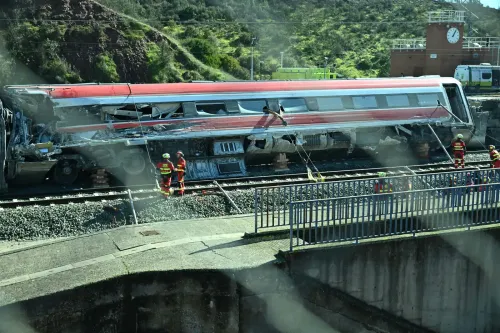
The collision occurred on Wednesday morning on the Madrid-Seville railway line in Toledo province, central Spain. According to preliminary reports, a state-operated Renfe high-speed train struck the rear of a stationary Iryo commercial train that was occupying the same track corridor. Railway safety regulators and investigative agencies have initiated a formal inquiry to determine how two high-speed passenger trains came to be on the same section of track simultaneously.
Spain Declares Three Days of National Mourning
Spanish Prime Minister Pedro Sánchez announced three days of official national mourning following the disaster. Speaking to reporters from an emergency command operations post established near the crash site in Toledo province, Sánchez pledged a comprehensive judicial and technical investigation into the collision. 'We will get to the bottom of this,' he declared, adding that 'all of Spain is in mourning.'
Sánchez stressed that any human error, operational negligence, or technical failures in automatic safety systems would be addressed decisively, and that responsible parties would be held accountable if safety oversights or systemic failures are confirmed.
Rescue and Relief Operations Underway
Emergency management teams at the site remain focused on rescuing trapped survivors, assisting affected families, and delivering immediate medical intervention. Sánchez also emphasised that long-term psychological support would be made available to victims and their relatives. The scale of the tragedy — with dozens still injured and the death toll at 68 as of Wednesday — has prompted a nationwide outpouring of grief.
Investigation and Accountability
Railway safety regulators have launched a formal inquiry into the crash. The central question investigators must answer is how the Renfe train's automatic safety systems failed to prevent a rear-end collision with the stationary Iryo train. Spain's high-speed rail network, one of the most extensive in Europe, has historically maintained a strong safety record, making this incident an especially rare and severe event. The outcome of the technical and judicial probe is expected to determine whether the failure stemmed from human error, equipment malfunction, or a breakdown in track-management protocols.
Point of View
But why automatic train protection systems, which exist precisely to prevent rear-end collisions, did not intervene. If those systems failed, the implications extend far beyond Spain: Europe's shared high-speed rail architecture relies on similar automatic safeguards. The UN Secretary-General's condolences and a three-day mourning declaration signal the gravity of the event, but accountability will ultimately turn on the technical inquiry's findings — and on whether Spain's rail regulator had flagged any prior safety concerns on this corridor.
NationPress
29 Oct 2026
Frequently Asked Questions
What happened in the Spain train accident?
A state-operated Renfe high-speed train struck the rear of a stationary Iryo commercial train on the Madrid-Seville railway line in Toledo province on Wednesday. The collision killed at least 68 people and left dozens more injured, triggering a national emergency response and a formal safety investigation.
What did UN Secretary-General Guterres say about the Spain train crash?
UN Secretary-General António Guterres expressed deep shock and sorrow at the tragedy and extended his condolences to the victims' families and to the people and government of Spain, according to his spokesman Stéphane Dujarric.
What has Spain's Prime Minister announced following the crash?
Prime Minister Pedro Sánchez declared three days of official national mourning and pledged a comprehensive judicial and technical investigation from the crash site in Toledo province. He vowed to hold any responsible parties accountable if safety failures or human error are established.
What is being investigated in the Spain train collision?
Railway safety regulators have launched a formal inquiry into how two high-speed passenger trains came to occupy the same section of track. Investigators are examining whether the crash resulted from human error, operational negligence, or a failure in the automatic safety systems designed to prevent rear-end collisions.
How significant is this crash for Spain's rail network?
Spain operates one of Europe's largest and historically safest high-speed rail networks. A collision of this scale on the Madrid-Seville corridor, one of its busiest routes, is an exceptionally rare and severe event, raising broader questions about rail safety protocols and oversight.