Spain train crash kills 68: Sánchez declares 3 days of mourning
Synopsis
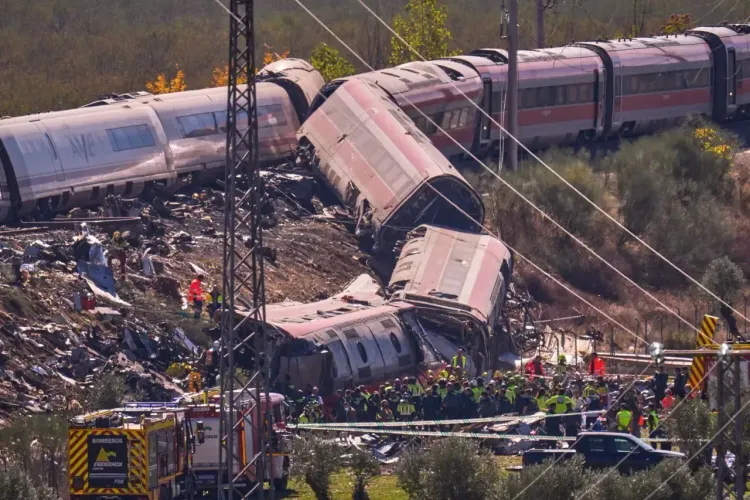
At least 68 people are dead after a high-speed Renfe train struck a stationary Iryo service on the Madrid–Seville corridor in Toledo province — one of Spain's deadliest rail disasters in years. Prime Minister Sánchez has declared three days of national mourning and ordered a full judicial and technical probe, with rescue crews still working through the wreckage.
Key Takeaways
A high-speed Renfe train struck a stationary Iryo train on the Madrid–Seville line in Toledo province on 28 October 2026 .
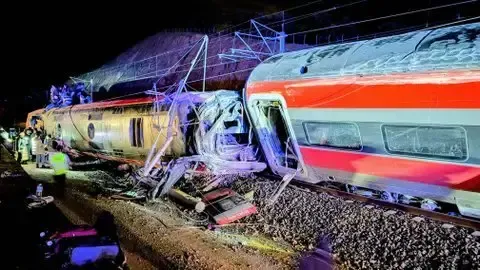
At least 68 people have been killed, with dozens more injured; the death toll may rise as rescue operations continue.
Prime Minister Pedro Sánchez declared three days of national mourning and pledged a comprehensive judicial and technical investigation.
Emiliano García-Page , President of Castilla-La Mancha , confirmed the death toll from the emergency command post near the crash site.
Railway safety regulators have launched a formal inquiry into how two trains came to share the same track section simultaneously.
The crash site is approximately 120 kilometres south of Madrid , on one of Europe's busiest high-speed rail corridors.
Spanish Prime Minister Pedro Sánchez on Wednesday, 28 October 2026 declared three days of national mourning after a catastrophic high-speed train collision in Toledo province, central Spain, killed at least 68 people and left dozens more injured. Sánchez pledged a full judicial and technical investigation, vowing that those responsible for any safety failures would be held accountable.
How the Collision Unfolded
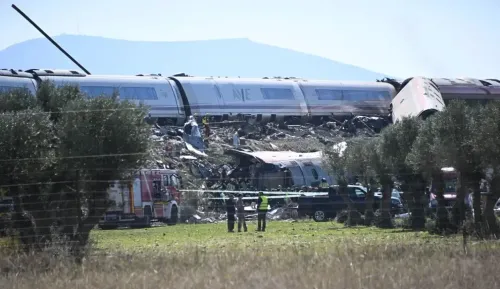
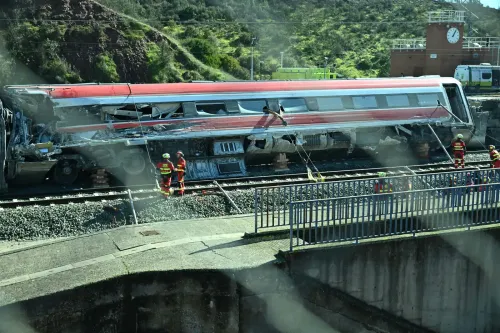
The disaster struck on Wednesday morning along the Madrid–Seville high-speed railway corridor, approximately 120 kilometres south of Madrid. According to preliminary reports, a state-operated Renfe high-speed train struck the rear of a stationary Iryo commercial train that was occupying the same section of track. The impact caused severe structural damage to multiple carriages, hampering rescue efforts.
What Authorities Said
Speaking from an emergency command post established near the crash site, Sánchez assured the public that investigators would examine every angle — human error, operational negligence, and failures in automatic safety systems. 'We will get to the bottom of this,' he declared, adding that 'all of Spain is in mourning.'
Emiliano García-Page, President of the autonomous community of Castilla-La Mancha, confirmed the updated death toll of 68 as emergency crews continued search-and-rescue operations among the wreckage. Railway safety regulators and investigative agencies have launched a formal inquiry into how two high-speed trains came to occupy the same track section simultaneously.
Relief and Recovery Operations
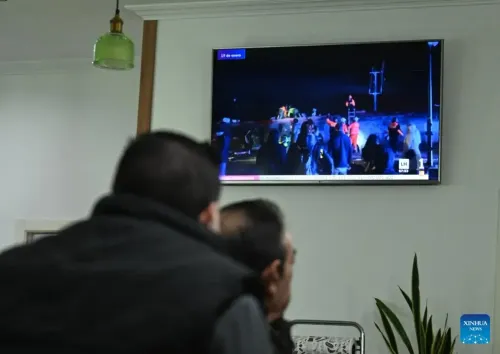
Sánchez stressed that the immediate priority of emergency management teams remains rescuing any trapped survivors, assisting bereaved families, and providing both immediate medical care and long-term psychological support to those affected. Dozens of ambulances and rescue personnel were deployed to the site, with hospitals in the wider Toledo region placed on high alert.
Scale of the Tragedy
With at least 68 confirmed deaths, the crash is among the deadliest rail accidents in Spain in recent years. The Madrid–Seville line is one of Europe's busiest high-speed corridors, carrying millions of passengers annually. This is a developing story, and the death toll could rise as rescue operations continue through the wreckage.
What Comes Next
Railway safety investigators are expected to analyse signal data, driver communications, and the automated track-management systems on the corridor to establish a definitive cause. Spain's transport ministry is under pressure to explain how two trains came to share the same track, and whether systemic failures in the high-speed network's safety protocols contributed to the disaster. A preliminary inquiry report is anticipated within days.
Point of View
Automated high-speed corridor demands more than a judicial inquiry — it demands an honest audit of whether Spain's rail safety infrastructure has kept pace with its network expansion. The Madrid–Seville line is a flagship of European rail, and a rear-end collision between two trains on the same track points to a fundamental failure of signalling or automatic protection systems, not merely human error. Sánchez's language of accountability is appropriate, but the harder question is systemic: how did the track-management system allow this? The answer will have implications well beyond Spain, for every high-speed network that has scaled faster than its safety culture.
NationPress
29 Oct 2026
Frequently Asked Questions
What happened in the Spain train crash on 28 October 2026?
A high-speed Renfe train struck the rear of a stationary Iryo commercial train on the Madrid–Seville rail corridor in Toledo province, approximately 120 kilometres south of Madrid. The collision killed at least 68 people and left dozens injured, triggering a major rescue and recovery operation.
How many people have died in the Spain train collision?
At least 68 people have been confirmed dead, according to Emiliano García-Page, President of Castilla-La Mancha. Emergency crews were still conducting search-and-rescue operations at the time of reporting, meaning the toll could increase.
What has Spanish PM Pedro Sánchez announced in response?
Prime Minister Pedro Sánchez declared three days of national mourning and pledged a full judicial and technical investigation. Speaking from an emergency command post near the crash site, he vowed to hold responsible any parties found to have caused the disaster through negligence or systemic failures.
Why did two trains end up on the same track?
Railway safety regulators have opened a formal inquiry into precisely this question. Preliminary reports indicate the Renfe train struck the stationary Iryo train from behind, suggesting a possible failure of automatic signalling or track-management systems, though an official cause has not yet been established.
Where exactly did the Spain train crash occur?
The crash occurred in Toledo province, central Spain, along the high-speed Madrid–Seville railway line, approximately 120 kilometres south of Madrid. An emergency command post was established near the site to coordinate rescue and investigative operations.