CM Sukhu Holds Public Hearing at HP Secretariat
Synopsis
Chief Minister Thakur Sukhvinder Singh Sukhu held a public hearing at the Himachal Pradesh secretariat on October 28, 2026, meeting residents from across the state and directing officials to resolve their grievances within a fixed timeframe.
Key Takeaways
CM Thakur Sukhvinder Singh Sukhu conducted a public grievance hearing at the Himachal Pradesh secretariat on October 28, 2026 .
Citizens from multiple regions of the state attended in person to present their problems directly to the Chief Minister.
CM Sukhu issued instructions to officials for time-bound resolution of the grievances raised during the session.
The hearing bypasses slower petition channels, placing named cases and deadlines directly with departmental officers.
Sukhu has been Chief Minister since December 2022 , representing the Nadaun constituency on an Indian National Congress mandate.
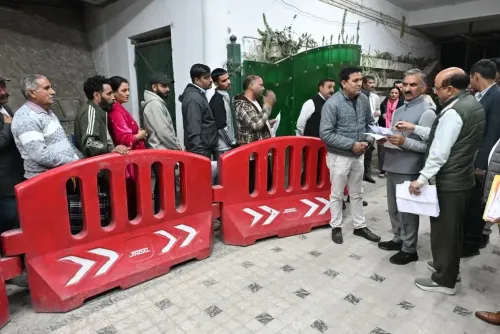
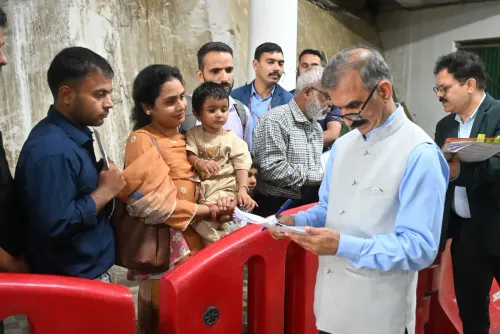
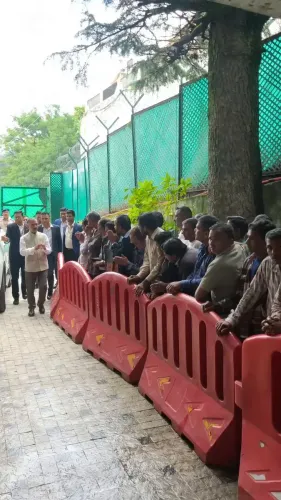
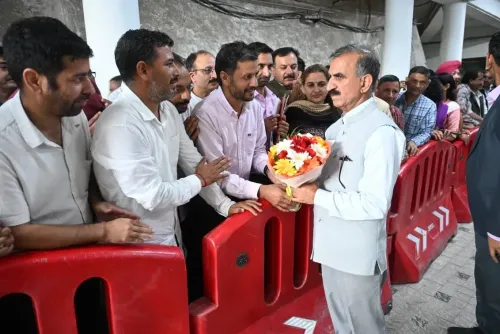
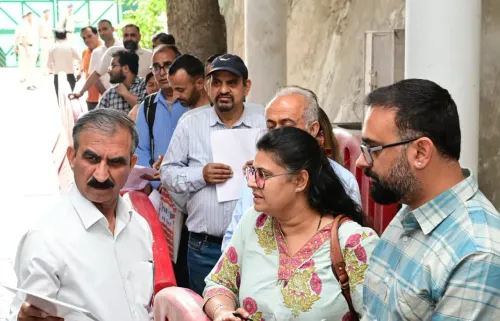
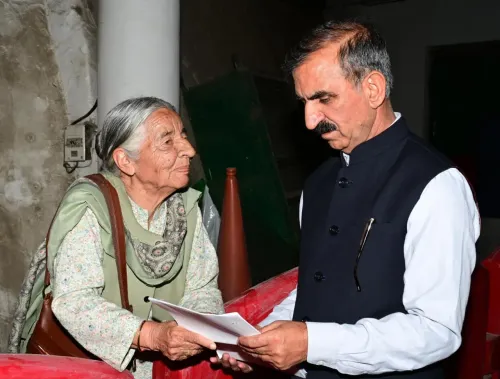
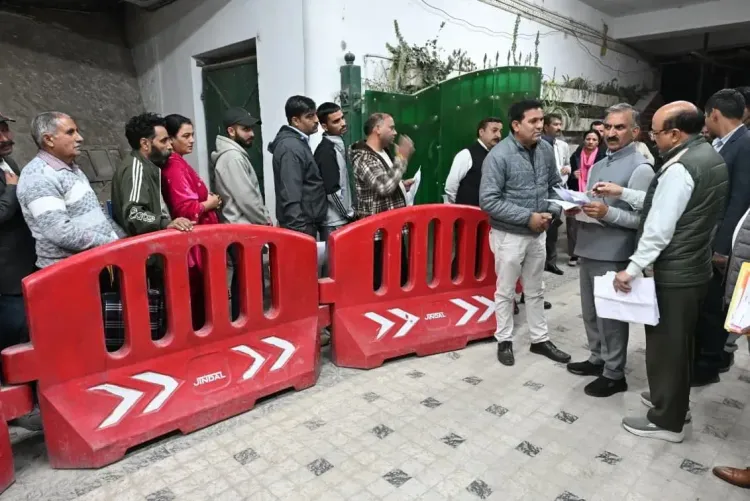
Residents from across Himachal Pradesh walked into the state secretariat on Wednesday, October 28, 2026, and got a direct audience with the top — Chief Minister Thakur Sukhvinder Singh Sukhu sat with them, listened, and sent their grievances straight to officials with orders to act on a deadline.
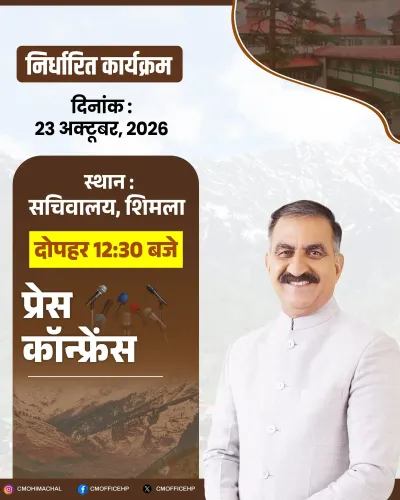
The Chief Minister's Office of Himachal Pradesh posted on X, quoting CM Sukhu directly: 'आज सचिवालय में प्रदेश के विभिन्न क्षेत्रों से आए लोगों से मुलाकात कर उनकी समस्याएँ सुनीं।' — 'Today, at the secretariat, I met people who came from various parts of the state and listened to their problems. I issued necessary instructions to officials for time-bound resolution of the people's issues.'
Direct access at the secretariat door
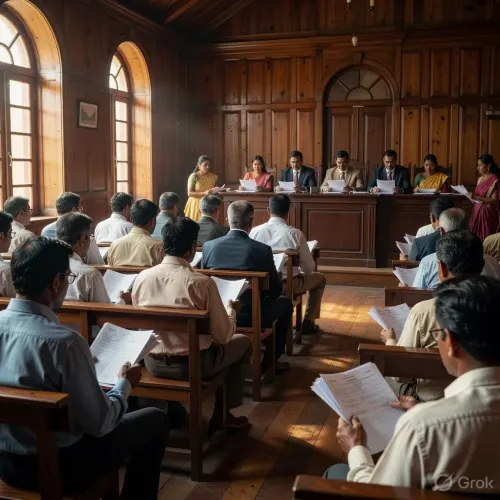
Public hearings at the state secretariat are a recurring feature of governance in Himachal Pradesh, where citizens from far-flung hill districts often travel considerable distances to place grievances before senior administration. The format is deliberately personal — no intermediary, no form in a queue, just a face across the table from the Chief Minister. For a state whose geography scatters populations across deep valleys and high ridges, that access carries real weight.
CM Sukhu, in power since December 2022 on an Indian National Congress mandate and representing the Nadaun constituency, has positioned direct public contact as a signature of his administration's style. Wednesday's session continued that pattern, with the emphasis placed squarely on 'time-bound' resolution — a phrase that converts a sympathetic listening session into an administrative obligation with a clock on it.
Instructions to officials: sympathy has a deadline now
The critical move in such hearings is not the listening — it is what happens after. By issuing directives to officers in the room, CM Sukhu bypasses the slower channel of written petitions filtering upward through departments. Officials leave the session with named cases and explicit instructions, compressing the usual bureaucratic timeline. Whether those directives translate into resolution on the ground is the follow-up question that will define the session's real value.
For residents who made the journey to Shimla, the hearing represented one of the more direct mechanisms available in Indian state governance — a corridor to the top that most democracies struggle to keep genuinely open.
The Chief Minister's diary is open; the test now belongs to the departments he briefed.
Point of View
Maintaining this cadence reinforces a people-first image that was central to the Congress campaign in Himachal Pradesh in 2022. The real governance test, however, lies downstream — whether 'time-bound' instructions produce documented outcomes, or whether the sessions become a ritual with diminishing returns. In a hill state where access to administration is genuinely difficult, the format's credibility depends entirely on the follow-through that voters rarely get to see.
NationPress
29 Oct 2026
Frequently Asked Questions
What did CM Sukhvinder Singh Sukhu do at the Himachal Pradesh secretariat on October 28 2026?
CM Sukhu held a public hearing at the state secretariat in Shimla, meeting residents from various districts across Himachal Pradesh and listening to their grievances before directing officials to resolve them within a fixed timeframe.
What is a secretariat public hearing in Himachal Pradesh?
It is a direct grievance-redressal session where the Chief Minister personally meets citizens who travel to the secretariat in Shimla, hears their problems, and issues on-the-spot instructions to concerned departmental officers for resolution.
Who is Thakur Sukhvinder Singh Sukhu?
Thakur Sukhvinder Singh Sukhu is the Chief Minister of Himachal Pradesh from the Indian National Congress, in office since December 2022, representing the Nadaun constituency in the state assembly.
How does time-bound grievance redressal work in Himachal Pradesh?
During public hearings, the Chief Minister issues explicit instructions to officials to resolve specific citizen complaints within a defined period, creating administrative accountability beyond the standard petition process.
How often does the Himachal Pradesh CM hold public hearings?
Indian state chief ministers, including Himachal Pradesh's CM, periodically conduct such hearings as part of standard administrative outreach; there is no single fixed schedule, but they form a recurring feature of governance in the state.