CM Sukhu Holds Public Outreach in Shimla, Directs Officials on Grievances
Synopsis
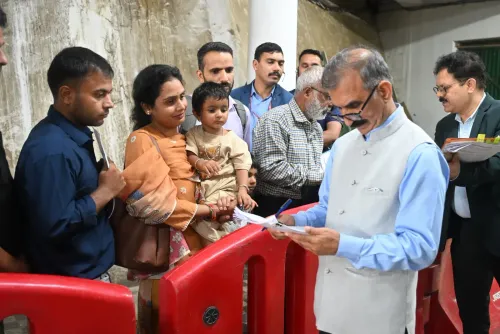
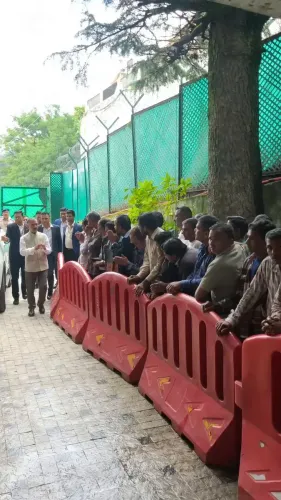
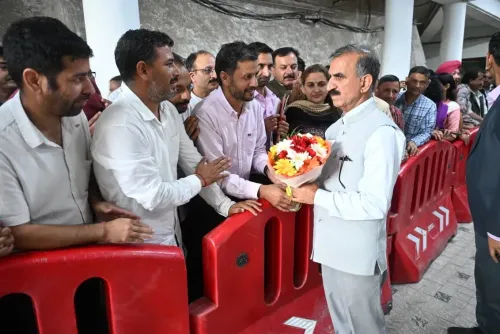
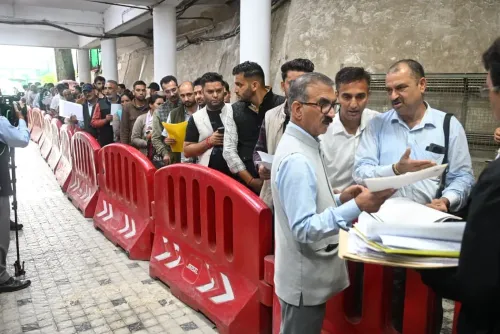
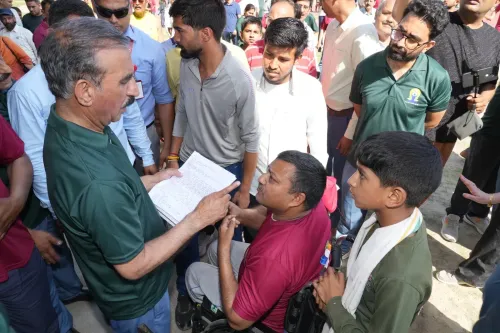
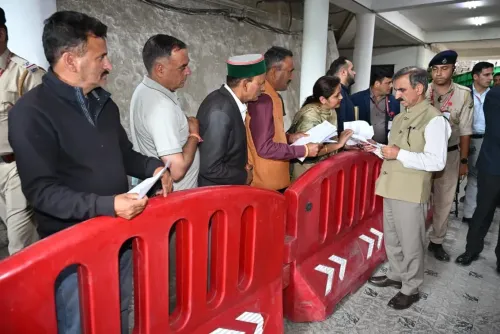
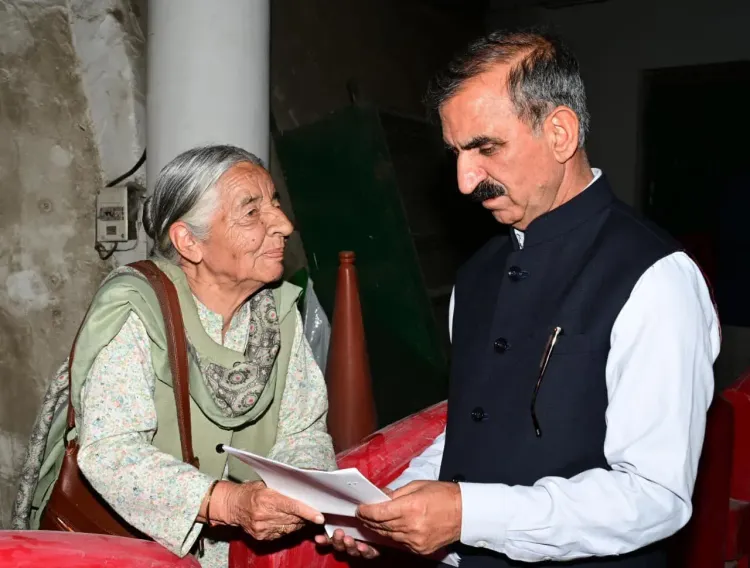
Himachal Pradesh Chief Minister Sukhvinder Singh Sukhu held a public interaction in Shimla on 22 May 2026, listening to grievances from residents across the state and directing officials to act. The session reflects the Congress government's stated commitment to people-centric, last-mile governance.
Key Takeaways
Chief Minister Sukhvinder Singh Sukhu conducted a public grievance interaction in Shimla on 22 May 2026 .
Residents from various regions of Himachal Pradesh attended to share problems and expectations directly with the Chief Minister.
Sukhu issued directions to relevant officials on each issue raised during the session.
The Chief Minister stated that the government's focus is the citizen, not administrative power, with last-mile delivery as its 'highest priority'.
The session continues a pattern of regular public outreach begun after the Congress government took office in December 2022 .
Follow-through on departmental orders issued during the session will be a key indicator of the programme's effectiveness.
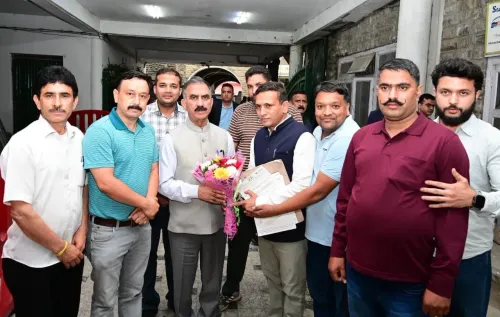
Himachal Pradesh Chief Minister Sukhvinder Singh Sukhu on Friday, 22 May 2026, held a direct public interaction session in Shimla, meeting residents who had travelled from across the state to share their concerns and expectations with the government.
Context
Posting on X, Chief Minister Sukhu described the session as a dialogue with 'maataon, bahnon evam bhaaiyon' — 'mothers, sisters and brothers' — who had come from various parts of Himachal Pradesh. He said each issue raised was heard carefully and that relevant officials were issued necessary directions on the spot.
In his words: 'The centre of our government's governance is not power, but the people. Delivering a sensitive, transparent and effective system to the person standing in the last row is our highest priority.'
Policy Backdrop
Since the Indian National Congress government took office in December 2022, the Sukhu administration has conducted regular public outreach programmes and grievance hearings as a cornerstone of its governance approach. These sessions are designed to strengthen direct citizen-to-administration contact in a state where mountainous terrain and connectivity gaps can make formal grievance channels difficult to access for residents of remote areas.
The practice of open public hearings — sometimes called 'jan sunwai' or public darbars — has a long history in Indian state-level governance, and successive Himachal Pradesh governments have used them to project responsiveness. The Congress administration has sought to frame these sessions as a deliberate shift away from centralised administrative power toward last-mile welfare delivery.
Stakeholders and Impact
The primary beneficiaries of such sessions are ordinary citizens, particularly those from Himachal Pradesh's remote hilly districts who face significant hurdles in escalating complaints through routine bureaucratic channels. Residents who travel to Shimla for these interactions typically raise issues spanning land records, pension disbursements, road connectivity, water supply, and public health services.
By directing officials in real time, the Chief Minister signals administrative accountability directly to the public — a model that also puts pressure on departmental officers to resolve pending matters. Civil society observers note that the effectiveness of such sessions depends heavily on the follow-through of departmental orders issued during or after the interaction.
What's Next
The immediate focus will be on whether the directions issued to officials during the 22 May session translate into verifiable departmental action within the weeks ahead. Observers will watch for any follow-up public darbar sessions or targeted scheme announcements that the government may link to grievances raised during this round of outreach. For a state with dispersed and often underserved communities, the regularity and follow-up quality of such interactions will remain a key measure of the administration's governance record ahead of future electoral cycles.
Point of View
The real test of such sessions lies not in the optics of the hearing but in the administrative follow-up: whether directions issued to officials produce measurable outcomes for petitioners. In a state with significant rural and remote constituencies, consistent and visible grievance redressal could become a meaningful electoral asset for the Sukhu government.
NationPress
20 Sept 2026
Frequently Asked Questions
What did CM Sukhu do in Shimla on 22 May 2026?
Chief Minister Sukhvinder Singh Sukhu held a public interaction session in Shimla on 22 May 2026, where residents from across Himachal Pradesh shared their grievances and expectations, and he issued directions to concerned officials.
What is the purpose of CM Sukhu's public outreach sessions?
The sessions are designed to provide citizens — especially those from remote hilly areas — direct access to the Chief Minister for grievance redressal, reinforcing the government's stated focus on transparent and last-mile governance.
How often does the Himachal Pradesh CM hold public grievance hearings?
The Sukhu administration has conducted regular public outreach and grievance hearings since taking office in December 2022, though the precise schedule of sessions varies.
What issues do people raise at CM Sukhu's public interactions?
Residents typically raise issues related to land records, pensions, road and water infrastructure, and public services, though the specific grievances from the 22 May 2026 session have not been officially detailed.
What is the Congress government's governance approach in Himachal Pradesh?
The Congress government under Chief Minister Sukhu has emphasised people-centric governance, last-mile welfare delivery, and direct citizen-administration contact through public outreach programmes since December 2022.