CM Sukhu Holds Public Hearing in Shimla, Directs On-Spot Redressal
Synopsis
Himachal Pradesh Chief Minister Sukhvinder Singh Sukhu met residents from across the state in Shimla on 25 July 2026, directing officials to resolve grievances on the spot and reaffirming his government's commitment to bridging the gap between citizens and administration over three-and-a-half years in office.
Key Takeaways
CM Sukhvinder Singh Sukhu held a public hearing in Shimla on 25 July 2026 , meeting residents from multiple districts of Himachal Pradesh .
Officials from concerned departments were directed to provide solutions on the spot , bypassing routine bureaucratic delays.
Sukhu has been in office since December 2022 and cited three-and-a-half years of continuous effort to establish open public communication.
The format mirrors the janata darbar tradition used by state governments across India to maintain direct citizen connect.
The Chief Minister stated that 'the trust of the public is the greatest strength of our government' and called sustaining it the administration's 'highest responsibility.'
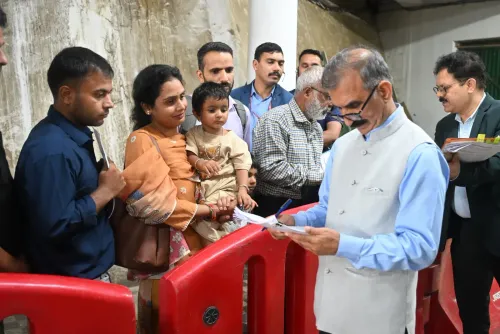
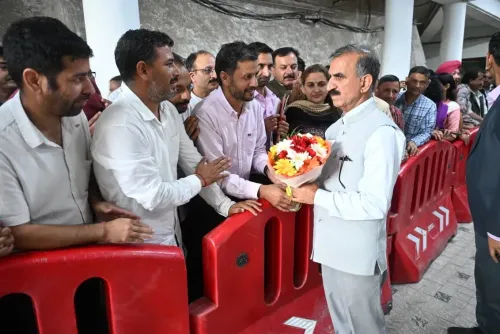
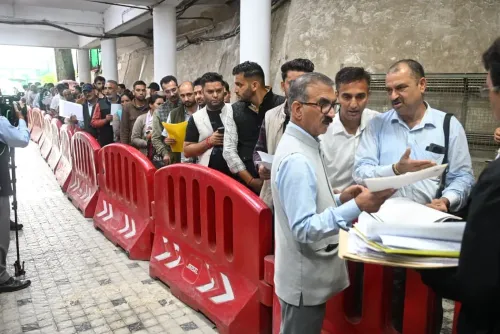
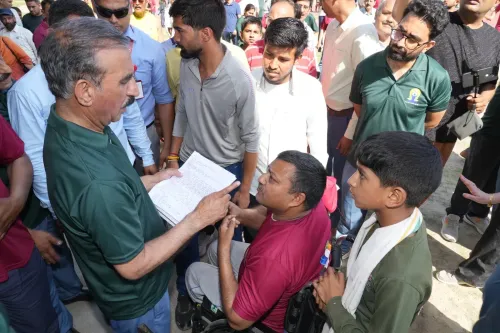
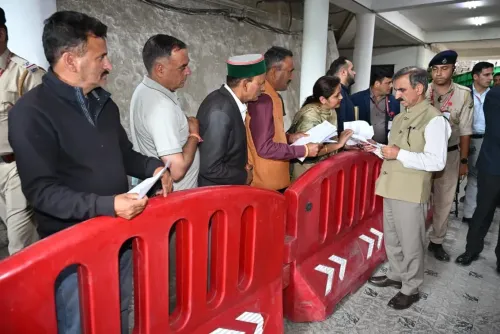
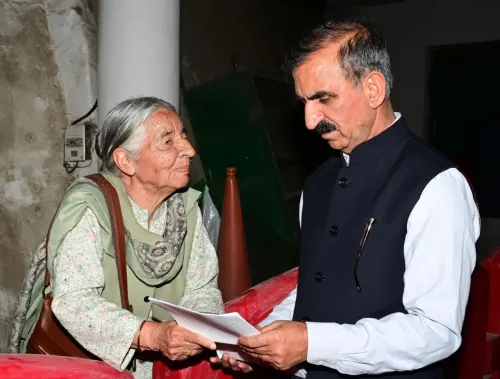
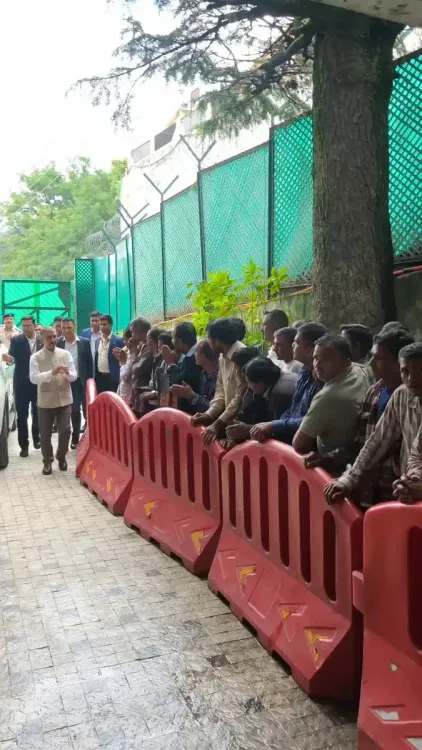
Himachal Pradesh Chief Minister Sukhvinder Singh Sukhu on Friday, 25 July 2026, met residents who had travelled from various districts of the state to Shimla, listened to their grievances, and directed officials of the concerned departments to provide solutions on the spot.
What the Chief Minister Said
Posting in Hindi on X, CM Sukhu said: 'आज शिमला में प्रदेश के अलग-अलग जिलों से आए लोगों से भेंट कर उनकी बातें सुनीं' ['Today in Shimla, I met people who came from different districts of the state and listened to them']. He added that officials were instructed to ensure necessary solutions 'on the spot itself.'
The Chief Minister underlined his core governance philosophy: 'There should be no distance between the government and the public. There should be such a bridge of dialogue between the two where every citizen can speak without any hesitation.'
Context
Sukhu assumed office in December 2022 and has consistently positioned direct public engagement as a defining feature of his administration. In the post, he noted that over the past three-and-a-half years, his government has made continuous efforts to establish precisely this system of open communication.
The session in Shimla is part of a recurring format in which residents from Himachal Pradesh's geographically dispersed hill districts travel to the state capital to bring complaints directly to the Chief Minister's attention, cutting through routine bureaucratic channels.
Policy Backdrop
Public hearings of this kind — often called janata darbars — have a long tradition in Indian state governance. Both Congress and BJP-ruled states have used them to demonstrate administrative responsiveness and maintain voter connect, particularly in hilly or rural regions where access to district offices can be difficult.
In Himachal Pradesh, the practice carries additional weight given the state's scattered population across remote valleys and high-altitude villages, where citizens may find it harder to pursue grievances through standard departmental channels. CM Sukhu has framed such outreach as a structural commitment rather than a one-off exercise.
Stakeholders and Impact
The primary beneficiaries are ordinary residents of Himachal Pradesh — particularly those from districts far from Shimla — who receive direct access to the Chief Minister and departmental officers at a single venue. For state officials, the format creates accountability by requiring on-the-spot responses rather than deferred file-based replies.
The Chief Minister closed his post with a statement of political intent: 'The trust of the public is the greatest strength of our government. Continuously strengthening this trust is our highest responsibility.'
What's Next
Observers will watch whether this round of public hearings leads to formal announcements on district-level grievance redressal portals or structured outreach programmes across Himachal Pradesh's regions. The Congress government's ability to demonstrate follow-through on complaints raised in such sessions will be key to sustaining the credibility of the format ahead of the next state electoral cycle.
Point of View
People-first administration in a state where terrain and bureaucracy can alienate voters. The three-and-a-half-year framing is notable: it positions the outreach not as a campaign event but as an institutionalised governance habit, a distinction that matters as the electoral horizon in Himachal Pradesh draws closer. Across India, such formats have mixed records — their impact depends heavily on whether on-the-spot directives translate into verifiable follow-up action. For Sukhu, sustaining credibility in this format will require demonstrable outcomes, not just visible access.
NationPress
23 Oct 2026
Frequently Asked Questions
What is a janata darbar and why does CM Sukhu hold them?
A janata darbar is a public hearing where citizens can bring grievances directly to a chief minister or senior official. CM Sukhu holds them to reduce the distance between government and residents, particularly those from remote hill districts of Himachal Pradesh who face difficulty accessing departmental offices.
What happened at CM Sukhu's Shimla public hearing on 25 July 2026?
CM Sukhvinder Singh Sukhu met residents who had travelled from different districts of Himachal Pradesh to Shimla, listened to their problems, and directed officials of the relevant departments to provide solutions on the spot.
How long has CM Sukhu been in office in Himachal Pradesh?
CM Sukhvinder Singh Sukhu assumed office in December 2022 and has been Chief Minister for approximately three-and-a-half years as of mid-2026.
Which party governs Himachal Pradesh in 2026?
Himachal Pradesh is governed by the Indian National Congress under Chief Minister Sukhvinder Singh Sukhu, who has led the state since December 2022.
What is CM Sukhu's governance philosophy on public engagement?
CM Sukhu believes there should be no distance between the government and the public, and that a bridge of dialogue must exist where every citizen can speak without hesitation — a principle he says has guided his administration since taking office.