CM Sukhu Holds Jan Sunwai in Shimla, Hears Public Grievances
Synopsis
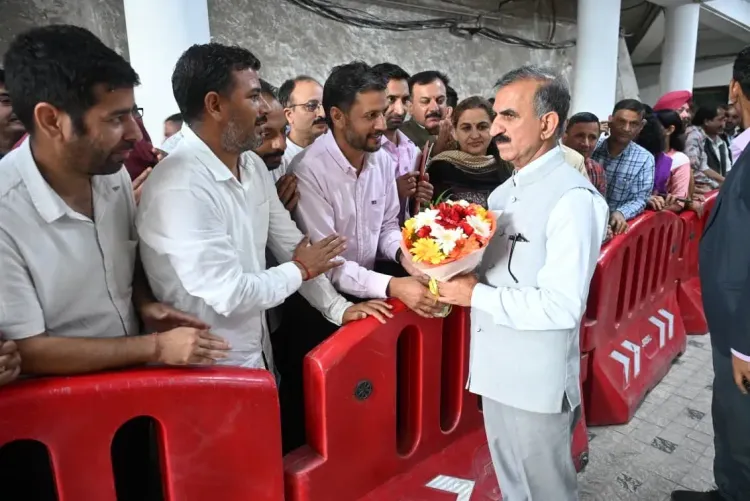
Himachal Pradesh Chief Minister Sukhvinder Singh Sukhu chaired a Jan Sunwai in Shimla on 17 July 2026, hearing grievances from residents statewide. He reaffirmed that time-bound public redressal is central to his government's working style, calling the mechanism a bridge between the administration and common citizens.
Key Takeaways
CM Sukhvinder Singh Sukhu held a Jan Sunwai in Shimla on 17 July 2026 , receiving grievances from residents across Himachal Pradesh .
The Chief Minister described time-bound resolution of public problems as 'an integral part of our working style.' The Jan Sunwai format is designed to strengthen direct dialogue between the state government and ordinary citizens, particularly those from remote hilly districts.
The Sukhu government has positioned regular public hearings as an institutionalised governance tool since taking office in December 2022 .
Follow-up directives to district administrations and line departments are expected based on grievances heard during the session.
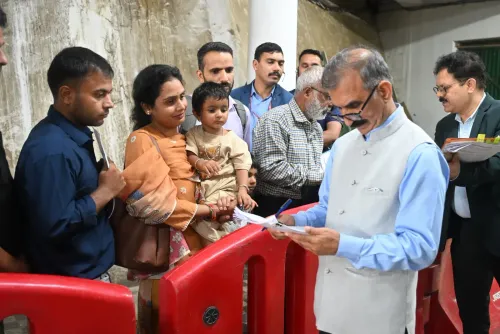
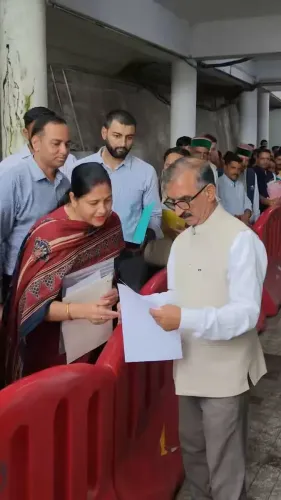
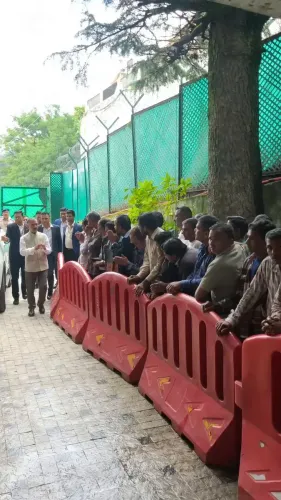
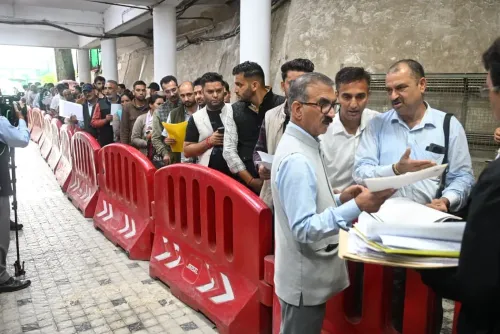
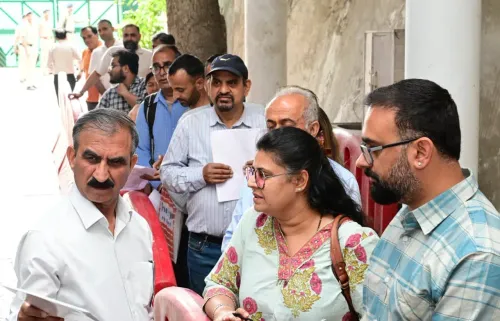
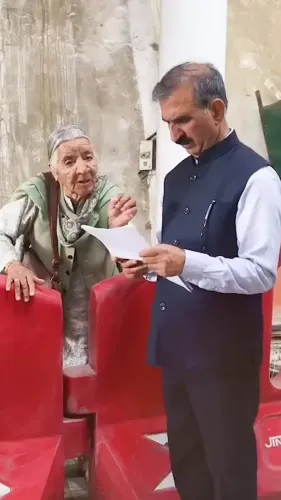
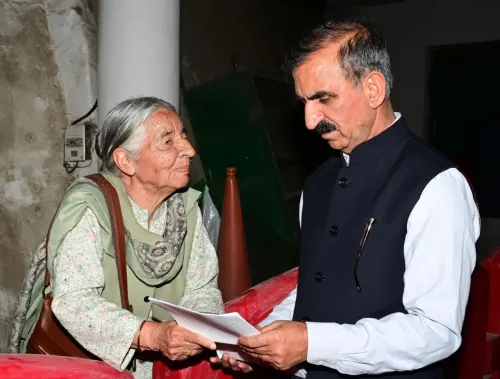
Himachal Pradesh Chief Minister Sukhvinder Singh Sukhu on Friday, 17 July 2026, chaired a Jan Sunwai — a structured public hearing — in Shimla, listening to grievances brought by residents from across the state. The session underscored the Congress government's stated commitment to direct citizen engagement as a pillar of its administrative approach.
Posting about the session on X, CM Sukhu wrote: 'शिमला में प्रदेश भर से आए लोगों की समस्याएं सुनीं' ('Listened to the problems of people who came from across the state to Shimla'). He added that hearing the public and ensuring time-bound resolution of their problems is 'an integral part of our working style', and that the Jan Sunwai has 'strengthened dialogue between the government and the common people, continuously giving momentum to quick and effective resolution of problems.'
Context
The Jan Sunwai — literally 'public hearing' — is a grievance-redressal mechanism through which citizens can approach senior officials and elected representatives directly, bypassing layers of bureaucracy. For a mountainous state like Himachal Pradesh, where residents of remote hilly districts face significant logistical barriers to accessing state administration, such sessions carry particular importance.
The Sukhu government, which came to power after the Congress victory in the December 2022 Himachal Pradesh assembly elections, has positioned direct public outreach as a defining feature of its governance model. The 17 July session drew participants from across the state to the capital, Shimla.
Policy Backdrop
Public hearings and Janata Darbars have a long history across Indian states, deployed by governments of varying political persuasions to demonstrate administrative responsiveness and maintain a direct political connect with citizens. In Himachal Pradesh, the geographical complexity — spread across districts ranging from low foothills to high-altitude tribal areas — makes centralised grievance forums especially significant for those who cannot easily access district or tehsil-level offices.
The Sukhu administration has framed the Jan Sunwai not merely as an ad hoc event but as an institutionalised channel, with the Chief Minister's post emphasising 'continuous momentum' in resolution — signalling a regular cadence rather than one-off hearings.
Stakeholders and Impact
The primary beneficiaries of Jan Sunwai sessions are ordinary citizens — particularly those from rural and remote communities who have unresolved disputes with local administration, land and revenue departments, welfare scheme access, or infrastructure grievances. By bringing these concerns directly to the Chief Minister's attention in Shimla, the mechanism is designed to compress the time between complaint and action.
State government officials, district administrations, and line departments are also stakeholders: outcomes from such hearings often translate into directives sent down to district collectors and departmental heads, making accountability more visible.
What's Next
The Himachal Pradesh government is expected to issue follow-up directions to concerned departments based on grievances heard during the 17 July session. The pattern of regular Jan Sunwais, if sustained, will be a key indicator of whether the administration can convert citizen engagement into measurable resolution outcomes — a benchmark that will shape public perception ahead of future electoral cycles in the state.
Point of View
A contrast it has sought to draw with its predecessor. In a state where remote geography routinely alienates citizens from administration, institutionalising direct hearings can yield genuine administrative dividends, but their credibility depends entirely on documented follow-through. The emphasis on 'continuous momentum' in the Chief Minister's post suggests the government is aware that a single hearing generates goodwill but a consistent pattern generates trust. As Himachal Pradesh navigates fiscal pressures and delivery challenges, the Jan Sunwai's effectiveness will be a meaningful test of whether the administration can convert proximity to power into tangible outcomes for citizens.
NationPress
16 Oct 2026
Frequently Asked Questions
What is Jan Sunwai in Himachal Pradesh?
Jan Sunwai is a structured public hearing mechanism through which citizens can present grievances directly to senior government officials or the Chief Minister. In Himachal Pradesh, it serves as a key channel for residents — especially from remote areas — to seek resolution of administrative, land, welfare, and infrastructure-related issues.
What did CM Sukhu say at the Shimla Jan Sunwai on 17 July 2026?
CM Sukhvinder Singh Sukhu said that listening to the public and ensuring time-bound resolution of their problems is an integral part of his government's working style. He stated that the Jan Sunwai has strengthened dialogue between the government and common people, giving continuous momentum to quick and effective problem resolution.
Who can attend a Jan Sunwai held by the Himachal Pradesh CM?
Jan Sunwai sessions are open to residents from across Himachal Pradesh. The 17 July 2026 session in Shimla saw people travelling from various parts of the state to present their grievances directly to Chief Minister Sukhu.
How often does CM Sukhu hold Jan Sunwai sessions?
The Sukhu government has framed Jan Sunwai as a regular, institutionalised mechanism rather than a one-off event, though the precise schedule of sessions is determined by the state government. The Chief Minister's statements indicate an intent to maintain a consistent cadence.
What happens after a Jan Sunwai in Himachal Pradesh?
After a Jan Sunwai, the state government typically issues directives to concerned district administrations and line departments to address the grievances heard during the session. These follow-up orders are intended to ensure time-bound resolution of the issues raised by citizens.