CM Sukhu Holds Jan Sunwai in Shimla, Directs Officials
Synopsis
Himachal Pradesh Chief Minister Sukhvinder Singh Sukhu held a jan sunwai in Shimla on 22 May 2026, hearing complaints from residents across the state and directing officials to resolve them swiftly — continuing a bipartisan tradition of public grievance redressal in the hill state.
Key Takeaways
CM Sukhvinder Singh Sukhu held a jan sunwai (public grievance hearing) in Shimla on 22 May 2026 .
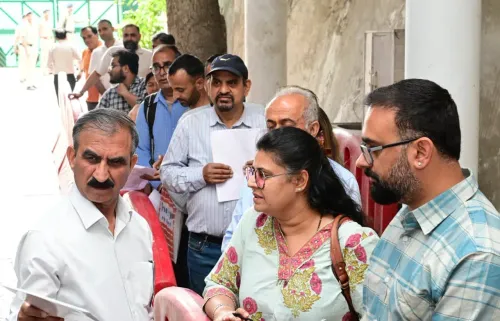
Residents from multiple districts of Himachal Pradesh attended to present their complaints directly to the Chief Minister.
Sukhu issued instructions to concerned officials for the speedy resolution of grievances heard during the session.
The jan sunwai format has been maintained by both Congress and BJP governments in Himachal Pradesh since the 1980s .
The session aligns with the Sukhu government's stated emphasis on participatory administration since taking office in December 2022 .
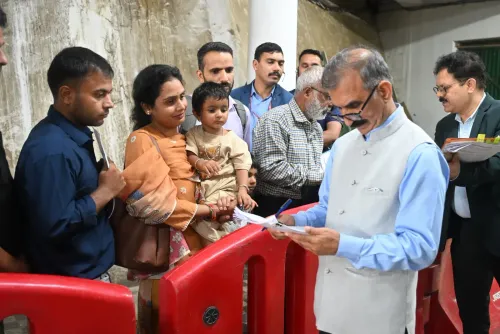
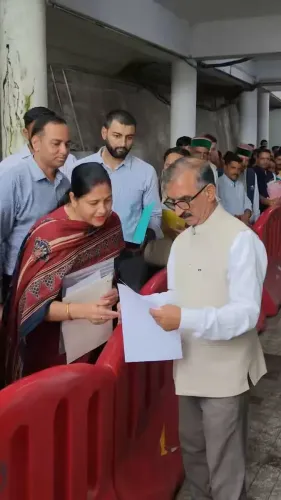
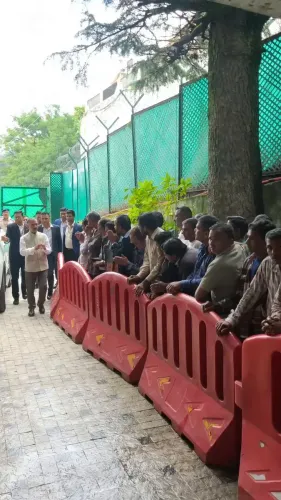
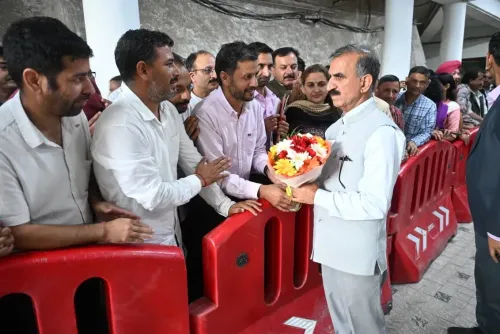
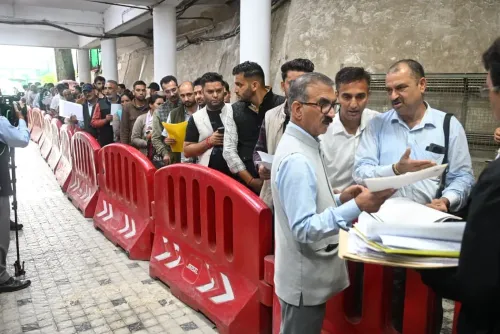
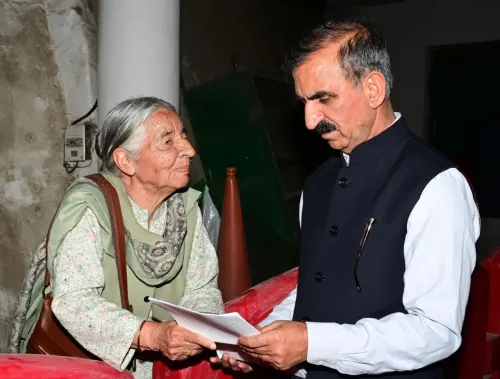
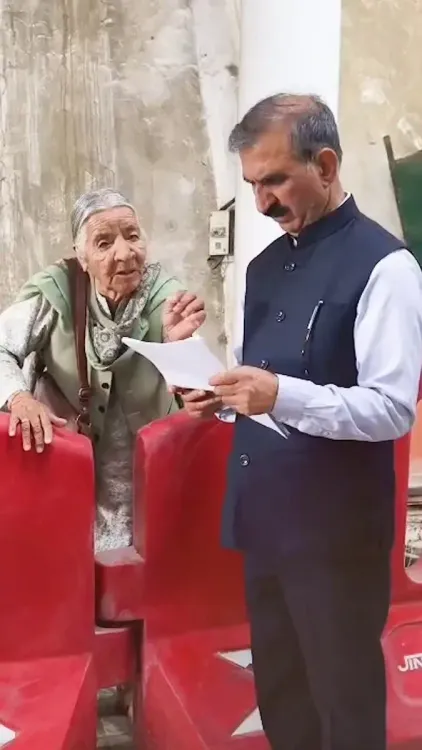
Himachal Pradesh Chief Minister Sukhvinder Singh Sukhu on Friday, 22 May 2026, held a public grievance hearing — jan sunwai — in Shimla, listening to residents who had travelled from across the state and issuing instructions to concerned officials for their speedy resolution.
Context
Posting on X, CM Sukhu wrote: 'हमारी संस्कृति साथ रहने, एक-दूसरे का सहारा बनने और मिलकर आगे बढ़ने की है।' ['Our culture is one of living together, supporting each other, and moving forward collectively.'] He added that listening carefully to every person and resolving their concerns is a core responsibility of his government, and that he heard problems from people who had come from different parts of the state to Shimla.
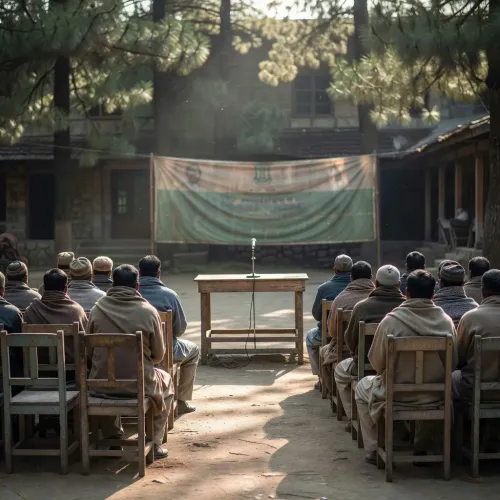
The session is part of the jan sunwai tradition — a structured public hearing format that successive Himachal Pradesh governments have used to bridge the distance between remote hill districts and the state secretariat in Shimla.
Policy Backdrop
Since assuming office in December 2022, the Sukhu government has reiterated the practice of regular jan sunwai sessions as a pillar of participatory administration. The format predates the current government and has been maintained by both Indian National Congress and BJP administrations in the state since the 1980s.
Across India, state chief ministers have long used public hearings as a visible tool of responsive governance — a pattern seen in Rajasthan, Madhya Pradesh, and Punjab over the past two decades. At the national level, the post-2014 push for grievance redressal has been reinforced through digital platforms such as CPGRAMS, but in-person hearings remain the preferred format in hill states where connectivity and literacy barriers persist.
Himachal Pradesh, a northern hill state with a population spread across difficult terrain, has historically faced challenges in channelling citizen complaints to state-level authorities. The jan sunwai format directly addresses this gap by bringing the administration to the citizen.
Stakeholders and Impact
The primary beneficiaries are rural citizens from far-flung districts who lack direct access to state departments. By attending a single session in Shimla, residents can place complaints before the Chief Minister and receive on-the-spot directives to district officials.
Department and district officials are the secondary stakeholders — the instructions issued during such sessions carry political weight and typically accelerate file movement on pending cases. The outcome for individual complainants depends on the follow-through by the relevant department heads.
What's Next
The key indicator to watch is whether the directives issued during this jan sunwai translate into verifiable departmental action — including district-level follow-up camps, budget reallocation, or formal orders. CM Sukhu's continued emphasis on this format signals that public hearings will remain a regular fixture of his administration's governance calendar through 2026.
Point of View
Maintaining this format also insulates the practice from partisan critique. The real test, as with all such sessions, lies in measurable follow-through rather than the optics of the hearing itself.
NationPress
19 Sept 2026
Frequently Asked Questions
What is a jan sunwai and why does CM Sukhu hold them?
A jan sunwai is a formal public grievance hearing where citizens can present complaints directly to the Chief Minister or senior officials. CM Sukhu holds them to ensure residents from remote parts of Himachal Pradesh can access the state administration without navigating multiple departments.
When did CM Sukhu hold the latest jan sunwai?
CM Sukhvinder Singh Sukhu held the latest jan sunwai in Shimla on 22 May 2026, hearing grievances from people who had travelled from across Himachal Pradesh.
What happens after a jan sunwai — do complaints actually get resolved?
After a jan sunwai, the Chief Minister issues directives to concerned officials for speedy resolution. The outcome depends on departmental follow-through; district-level camps and formal orders are common next steps.
Has this jan sunwai tradition always existed in Himachal Pradesh?
Yes. Both Congress and BJP governments in Himachal Pradesh have maintained the jan sunwai format since the 1980s, making it a bipartisan governance practice in the hill state.
How does Himachal Pradesh's jan sunwai compare to national grievance portals?
National platforms like CPGRAMS handle complaints digitally, but in-person jan sunwai sessions remain important in hill states like Himachal Pradesh where connectivity and literacy barriers make digital redressal less accessible for many citizens.