HP CM Office Holds Jan Sunwai in Shimla, Directs On-Spot Redressal
Synopsis
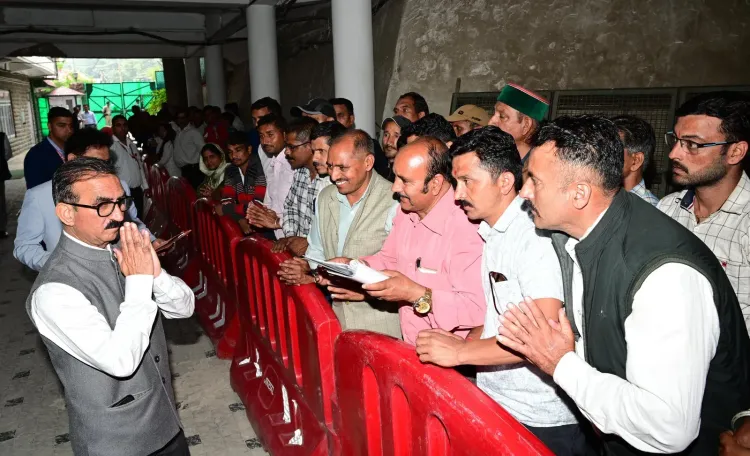
The Chief Minister's Office of Himachal Pradesh held a Jan Sunwai in Shimla on 19 June 2026, meeting citizens directly and ordering departmental officers to resolve grievances on the spot, reaffirming the government's commitment to accessible, responsive governance.
Key Takeaways
The Chief Minister's Office of Himachal Pradesh conducted a Jan Sunwai in Shimla on 19 June 2026 .
Citizens attended the hearing in person to present their problems and seek government redressal.
Officers from the relevant departments were present and directed on the spot to resolve the complaints raised.
The CM's Office stated that maintaining citizens' hope and trust is the 'primary objective' of the state government.
Jan Sunwai sessions are especially significant in Himachal Pradesh given the state's mountainous terrain and dispersed population.
Follow-up on the resolution of grievances raised at this session will determine the hearing's practical impact.
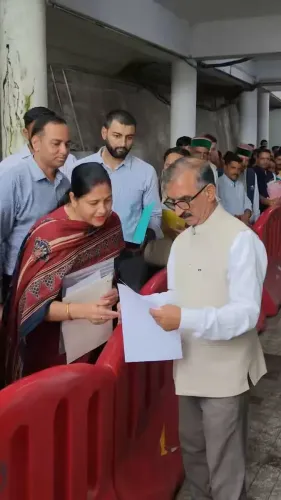
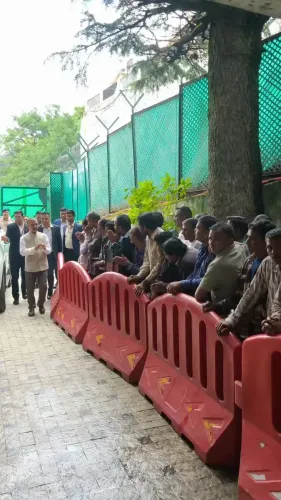
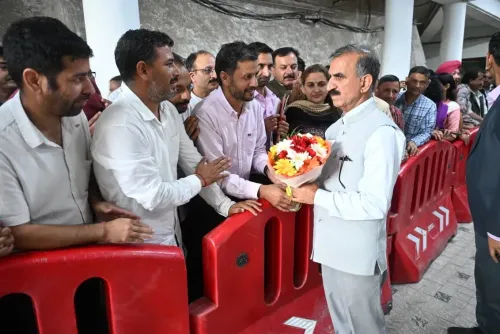
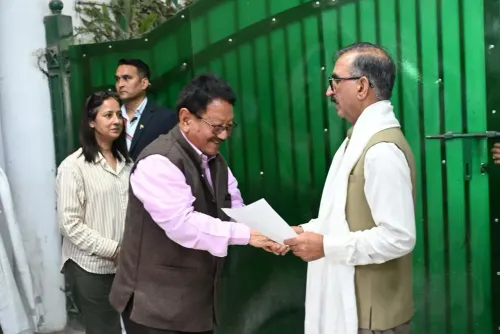
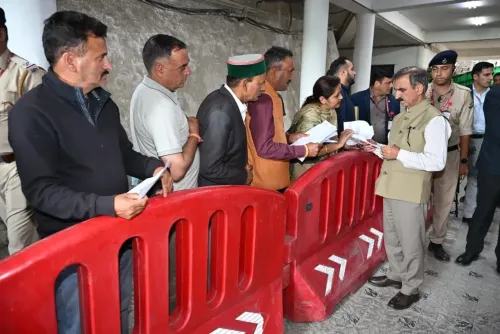
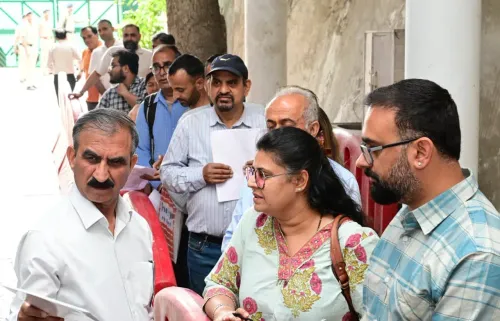
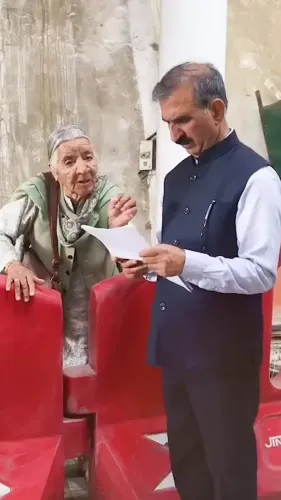
The Chief Minister's Office of Himachal Pradesh conducted a Jan Sunwai (public grievance hearing) in Shimla on Friday, 19 June 2026, during which citizens were met in person and their complaints heard directly. Officials from concerned departments were present on the spot and issued instructions for immediate redressal of grievances raised by residents.
Context
The post from the Chief Minister's Office stated, 'Aaj Shimla mein Jan Sunwai ke dauran logon se milkar unki samasyaen sunin' — 'Today, during the Jan Sunwai in Shimla, I met people and listened to their problems.' It further noted that relevant departmental officers were directed on the spot to resolve those problems. The session underscores the state government's stated commitment to accessible governance.
The Chief Minister's Office added: 'Every person comes to the Jan Sunwai carrying hope and trust — maintaining that hope and trust is the primary objective of our government.' The statement frames the hearing not merely as an administrative exercise but as a compact between the government and citizens of Himachal Pradesh.
Policy Backdrop
Jan Sunwai, or structured public grievance hearings, have been a feature of Indian state governance for decades, serving as a direct channel between citizens and the executive. They are designed to supplement formal administrative complaint mechanisms and reduce the backlog of unresolved grievances that can otherwise accumulate in bureaucratic channels.
In hill states such as Himachal Pradesh, the practice carries added significance. Rugged terrain and geographic dispersion mean that many residents — particularly from remote villages — struggle to access district offices or state departments for routine matters. A centralised hearing in Shimla, the state capital and seat of the secretariat, allows citizens from across the state to place their concerns directly before senior functionaries.
Stakeholders and Impact
The primary beneficiaries of the Jan Sunwai are ordinary residents of Himachal Pradesh who may otherwise face delays navigating departmental hierarchies. By having officers from the relevant departments physically present during the hearing, the format shortens the redressal cycle considerably — complaints do not need to travel up and down administrative chains before action is ordered.
State-level officials also stand to benefit from the visibility these sessions provide into ground-level problems, including infrastructure gaps, welfare delivery failures, and inter-departmental coordination issues. The presence of departmental officers at the hearing signals an expectation of accountability that extends beyond the Chief Minister's Office itself.
What's Next
The effectiveness of any Jan Sunwai is ultimately measured by follow-through: whether the on-the-spot directives issued to officers translate into resolved cases in the days and weeks that follow. Advocacy groups and opposition parties in Himachal Pradesh typically track post-hearing resolution rates as a gauge of the administration's responsiveness.
Future Jan Sunwai sessions in other districts of the state would extend the model's reach to citizens who cannot travel to Shimla, and would indicate whether the government intends to make this a regular, statewide mechanism rather than a one-off event at the capital.
Point of View
Regularly holding such sessions in the capital serves a dual purpose: it generates demonstrable proof of responsiveness and creates a feedback loop that can surface systemic departmental failures. The emphasis on on-the-spot directives to officers raises the political stakes for bureaucratic follow-through, since any failure to act becomes directly attributable. Whether this session marks the beginning of a structured, statewide grievance calendar or remains a standalone event will be the real test of the government's stated intent.
NationPress
19 Sept 2026
Frequently Asked Questions
What is a Jan Sunwai in Indian governance?
A Jan Sunwai is a structured public grievance hearing in which citizens meet senior government functionaries in person to present complaints and seek redressal. It supplements formal administrative channels and is designed to speed up resolution of citizen problems.
Where was the Himachal Pradesh Jan Sunwai held on 19 June 2026?
The Jan Sunwai was held in Shimla , the capital city of Himachal Pradesh and the seat of the state secretariat.
What happened at the HP Jan Sunwai on 19 June 2026?
The Chief Minister's Office met citizens, listened to their grievances, and directed officers from the relevant departments — who were present on the spot — to resolve the problems raised.
Why are Jan Sunwai sessions important in Himachal Pradesh?
Himachal Pradesh's mountainous terrain makes it difficult for residents of remote areas to access government departments. Jan Sunwai sessions provide a direct, centralised channel for citizens to reach senior officials without navigating multiple bureaucratic layers.
How will we know if the Shimla Jan Sunwai was effective?
Effectiveness will be measured by whether the on-the-spot directives issued to departmental officers result in resolved cases in the following weeks. Subsequent reports on grievance resolution rates and any scheduling of further Jan Sunwai sessions in other districts will be key indicators.