CM Hemant Soren Directs Time-Bound Farm Input Delivery in Jharkhand
Synopsis
Chief Minister Hemant Soren has directed Jharkhand's agriculture department to deliver fertilisers, seeds, and technical guidance to farmers on time under Kisan Samriddhi Yojana, set up model farmer schools in every district, and promote millet cultivation through technology-based training.
Key Takeaways
CM Hemant Soren issued directives on 17 July 2026 for time-bound delivery of farm inputs to Jharkhand farmers.
The Kisan Samriddhi Yojana is to be extended to all eligible farmers across the state.
Model Krishi Pathshalas (farmer schools) will be established in every district of Jharkhand.
Promotion of millet cultivation is a specific priority, aligning with India's post-2023 millet push.
The agriculture department has been tasked with ensuring farmers receive fertilisers, seeds, and technical guidance within stipulated timelines.
The directive targets small and tribal farmers in Jharkhand's rain-fed agricultural zones.
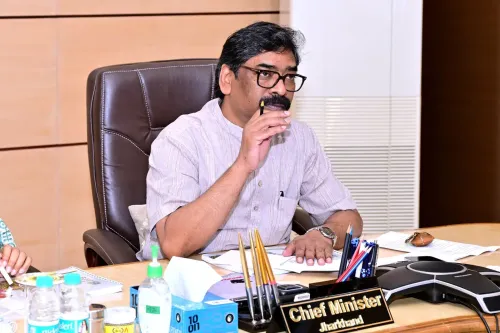
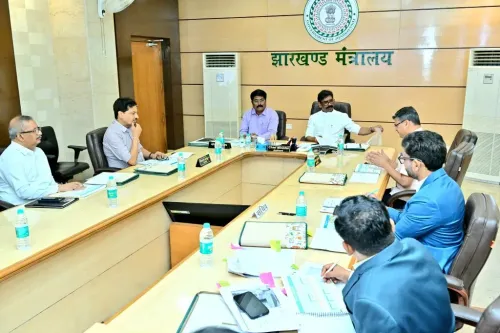
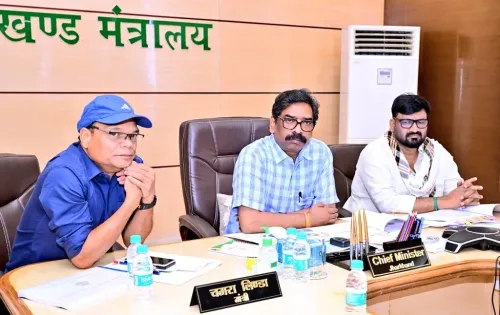
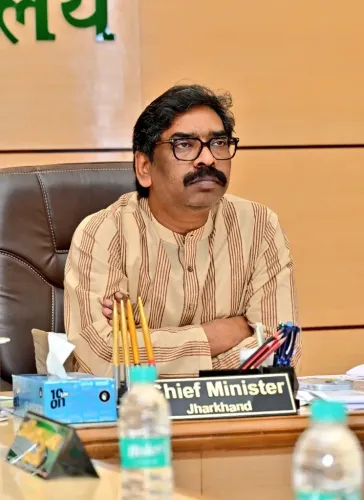
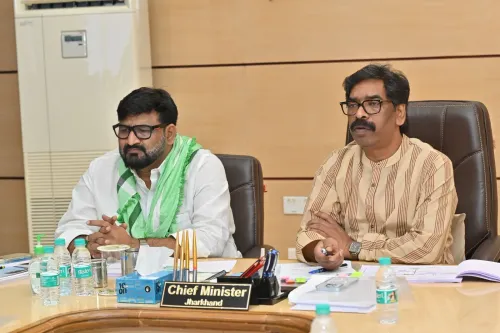
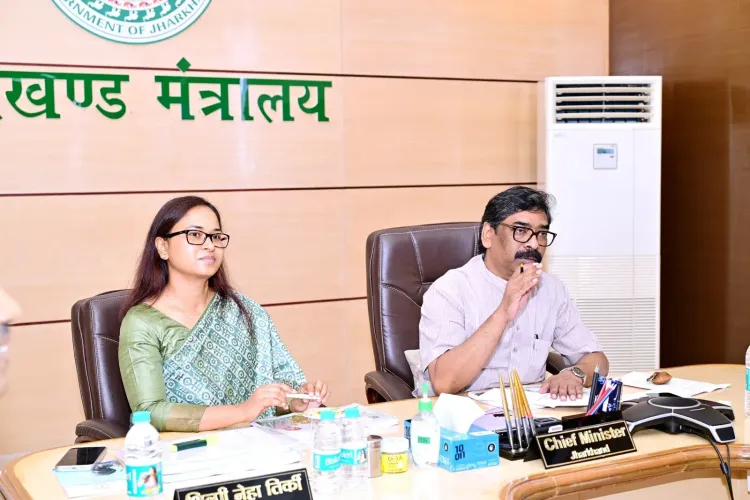
The Chief Minister's Office of Jharkhand on 17 July 2026 shared directives issued by Chief Minister Hemant Soren mandating time-bound delivery of fertilisers, seeds, and technical guidance to farmers across the state, alongside the expansion of model farmer schools and a push for millet cultivation in all districts.
Context
The post, attributed to CM Hemant Soren, outlines a four-point agricultural action plan: extending the benefits of Kisan Samriddhi Yojana to all eligible farmers; establishing Model Krishi Pathshalas (model farmer schools) in every district; promoting millet farming; and delivering technology-based agricultural training. The directive calls on the agriculture department to ensure that 'farmers receive resources including fertilisers, seeds, and technical guidance within stipulated timelines.'
Jharkhand is an eastern Indian state with a large tribal population for whom farming — often rain-fed and smallholder in nature — remains a primary source of livelihood alongside mining. Strengthening last-mile delivery of agricultural inputs has been a recurring challenge in such geographies.
Policy Backdrop
The Kisan Samriddhi Yojana is a Jharkhand state welfare scheme designed to provide financial assistance, inputs, and training to improve agricultural outcomes for small and marginal farmers. Since 2019, successive Hemant Soren-led governments have emphasised input support and training for smallholders as a core plank of rural policy.
The millet promotion directive aligns with the momentum generated by the UN-declared International Year of Millets in 2023, an initiative championed by India to advance millet cultivation for nutritional security and climate resilience. Several states subsequently incorporated millet promotion into district-level agricultural extension programmes, and Jharkhand's current directive follows that broader national trajectory.
Technology-based training — the fourth pillar of the directive — reflects a wider state effort to modernise extension services and reduce dependence on traditional, often delayed, input-delivery chains in tribal and rural belts.
Stakeholders and Impact
The primary beneficiaries are small and tribal farmers across Jharkhand's 24 districts, who are expected to gain structured access to government-backed inputs and skilling through the model Krishi Pathshalas. These district-level farmer schools are envisaged as hubs for hands-on training in improved agronomic practices, including millet cultivation techniques suited to the state's rain-fed conditions.
The agriculture department has been specifically directed to ensure compliance with the time-bound delivery mandate — a signal that the administration is treating input delays as a systemic gap requiring institutional accountability. Millet farmers stand to benefit both from nutritional demand and from the crop's lower water requirement, which is particularly relevant in Jharkhand's variable monsoon zones.
What's Next
Attention will now shift to district-level implementation: whether Model Krishi Pathshalas are operationalised across all districts before the current kharif season closes, and whether millet acreage data in the upcoming agricultural cycle reflects the push. The agriculture department's compliance with the time-bound input-delivery directive will be a key indicator of the state's capacity to translate policy announcements into measurable farm-level outcomes.
If executed as directed, the convergence of scheme benefits, structured farmer education, and millet promotion could meaningfully improve resilience among Jharkhand's most vulnerable agricultural communities — and serve as a model for other states with comparable tribal-agrarian profiles.
Point of View
Model farmer schools, millet promotion, and tech-based training into a single directive, the Soren administration is attempting to project coherence across its rural welfare agenda ahead of the kharif season. The millet plank is politically astute: it aligns Jharkhand with a national priority while addressing the agronomic realities of the state's rain-fed tribal belts. Whether the agriculture department can operationalise all four pillars before the cropping window closes will determine whether this directive translates into electoral and developmental credibility.
NationPress
17 Jul 2026
Frequently Asked Questions
What is Kisan Samriddhi Yojana in Jharkhand?
Kisan Samriddhi Yojana is a Jharkhand state government scheme that provides financial assistance, agricultural inputs such as seeds and fertilisers, and technical training to small and marginal farmers to improve their productivity and incomes.
What is a Model Krishi Pathshala?
A Model Krishi Pathshala is a district-level farmer school where agricultural training, demonstrations, and guidance on improved farming practices — including millet cultivation and technology use — are provided to farmers.
Why is Jharkhand promoting millet farming?
Jharkhand is promoting millet farming because millets require less water and are well-suited to the state's rain-fed conditions. The push also aligns with India's national agenda following the UN-declared International Year of Millets in 2023, which emphasised millets for nutritional security and climate resilience.
What did CM Hemant Soren say about farm inputs?
CM Hemant Soren directed the Jharkhand agriculture department to ensure that farmers receive fertilisers, seeds, and technical guidance within stipulated timelines, making time-bound delivery a departmental accountability requirement.
Who benefits from Jharkhand's agriculture directives issued in July 2026?
Small and tribal farmers across all 24 districts of Jharkhand are the primary beneficiaries, as the directives target last-mile delivery of inputs, structured training through model farmer schools, and millet cultivation support.