CM Hemant Soren Directs Real-Time Water Scheme Monitoring
Synopsis
Jharkhand Chief Minister Hemant Soren has directed real-time monitoring of water supply schemes, regular reviews of under-construction projects, and technical training for Jal Sahiyas — the village-level women water volunteers — in a move to strengthen last-mile accountability in rural drinking water delivery across the state.
Key Takeaways
Hemant Soren issued directives on 9 June 2026 calling for real-time monitoring of water supply schemes in Jharkhand .
Regular reviews of all under-construction water projects have been ordered alongside the monitoring push.
Jal Sahiyas — village-level women water volunteers — are to receive structured technical training programmes.
The directives align with Jal Jeevan Mission requirements, which have mandated real-time dashboards and community-level capacity since 2019 .
Jharkhand 's tribal and rural population stands to benefit from improved scheme accountability and a more technically capable grassroots workforce.
Follow-through will be measured by training module rollouts and the publication of monitoring dashboard performance data.
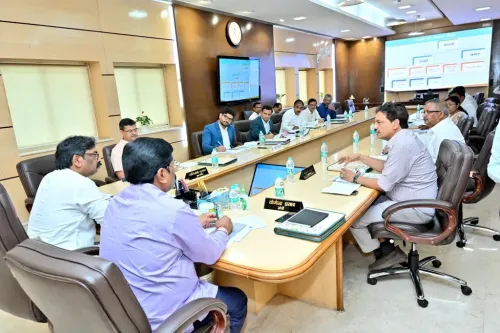
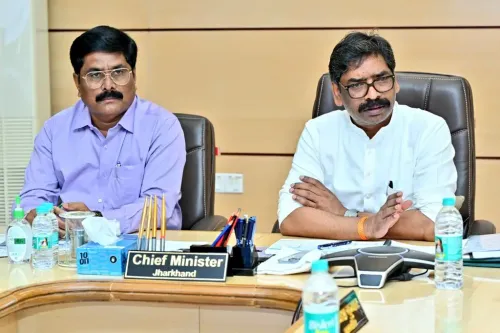
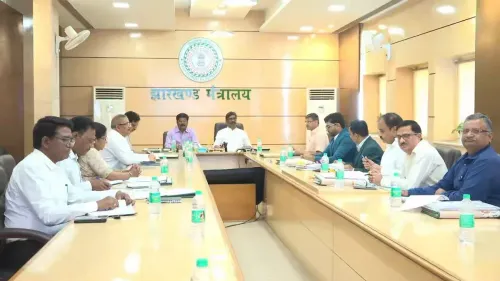
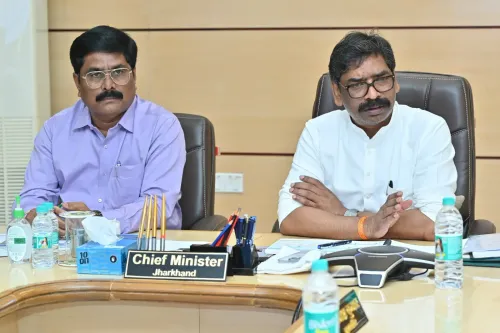
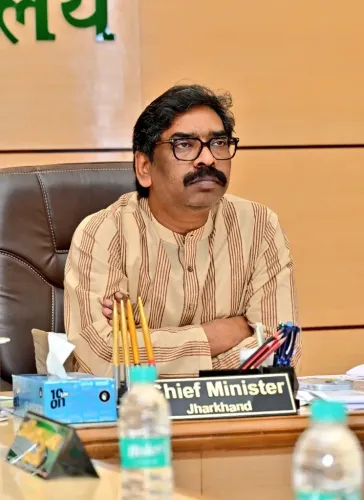
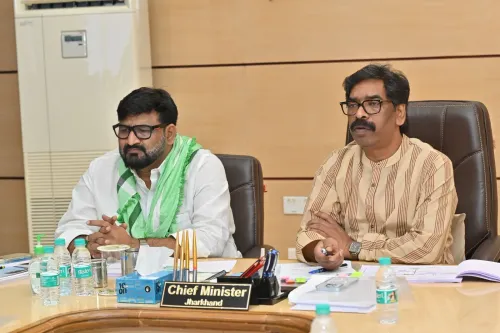
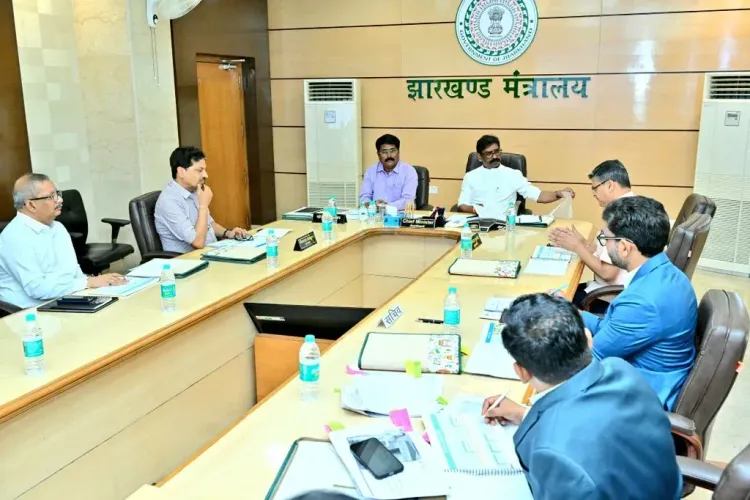
Jharkhand Chief Minister Hemant Soren on Tuesday, 9 June 2026, issued a fresh set of directives on water supply governance, calling for real-time monitoring of ongoing water supply schemes and regular reviews of projects currently under construction, while also ordering technical training programmes for the state's Jal Sahiyas — the village-level women water volunteers who serve as the last-mile link in rural water delivery.
Context
The post, shared on X, outlines two specific instructions. First, that water supply schemes must be monitored in real time and under-construction projects reviewed on a regular basis. Second, that training programmes must be conducted to technically empower Jharkhand's Jal Sahiyas. In the original Hindi, the directives read: 'जलापूर्ति योजनाओं की real-time मॉनिटरिंग' [real-time monitoring of water supply schemes] and 'जल सहियाओं को तकनीकी रूप से सशक्त बनाने हेतु' [to technically empower the Jal Sahiyas].
The instructions signal a push to tighten accountability in the state's drinking water infrastructure at a moment when several projects remain under various stages of construction across Jharkhand's dispersed rural and tribal settlements.
Policy Backdrop
The directives sit squarely within the framework of the Jal Jeevan Mission, the central government scheme launched in 2019 to provide functional household tap connections in every rural home. The mission mandates that states establish real-time digital dashboards and build community-level capacity to sustain delivery after infrastructure is in place.
Jharkhand, with its large tribal population and geographically challenging terrain, has faced persistent gaps in water access, quality, and scheme sustainability. Jal Sahiyas — women volunteers deployed at the village level — are central to the state's strategy for community water management, hygiene awareness, and scheme facilitation. Strengthening their technical skills is seen as critical to ensuring that tap connections translate into reliable, long-term water supply.
Across Indian states, there has been a broader shift toward mandating real-time digital monitoring of infrastructure schemes alongside periodic physical-progress reviews, particularly for programmes with dispersed rural footprints where on-ground accountability is harder to enforce through conventional oversight.
Stakeholders and Impact
The most immediate beneficiaries of the directives are Jharkhand's rural households, particularly in tribal areas, who depend on state-implemented water supply infrastructure for safe drinking water. Effective real-time monitoring reduces the risk of scheme stagnation or cost overruns going undetected for extended periods.
Jal Sahiyas stand to gain directly from structured technical training, equipping them to troubleshoot scheme-level issues, maintain records, and interface with the digital monitoring systems the state is expected to operate. Water department officials and implementing agencies will face closer scrutiny of project timelines and performance metrics under the review mechanism.
What's Next
Attention will now turn to whether the state's water department rolls out specific training modules for Jal Sahiyas in the coming months and whether monitoring dashboard performance reports are published or made accessible for public accountability. The regularity and rigour of construction-project reviews will be a key indicator of how seriously the directives translate into administrative practice.
For Chief Minister Soren, the governance optics of tightening water-scheme oversight carry weight in a state where rural water access remains a live political and welfare issue ahead of future electoral cycles.
Point of View
Where tribal communities have historically faced the sharpest deficits in safe water access, the optics of executive-level oversight carry political weight beyond administrative routine. The emphasis on technically empowering grassroots women workers also fits a broader national trend of repositioning community functionaries as active system operators rather than passive beneficiaries. Whether the directives produce measurable outcomes will depend on whether the water department translates them into time-bound, monitorable action plans.
NationPress
20 Sept 2026
Frequently Asked Questions
What did Hemant Soren say about water supply schemes?
On 9 June 2026 , Hemant Soren directed that water supply schemes in Jharkhand be monitored in real time and that under-construction projects be reviewed regularly, while also calling for technical training for Jal Sahiyas .
Who are Jal Sahiyas in Jharkhand?
Jal Sahiyas are village-level women volunteers deployed across Jharkhand to manage community water supply, raise hygiene awareness, and facilitate state and central water programmes at the grassroots level.
What is the Jal Jeevan Mission and how does it relate to this?
The Jal Jeevan Mission is a central government scheme launched in 2019 to provide tap water connections to every rural household; it requires states to maintain real-time monitoring dashboards and build community-level capacity, which is directly what Soren's directives address.
Why is real-time monitoring of water schemes important in Jharkhand?
Jharkhand 's dispersed rural and tribal settlements make on-ground accountability difficult; real-time monitoring reduces the risk of stalled projects and cost overruns going undetected, improving the reliability of drinking water delivery.
What will happen next after Hemant Soren's water governance directives?
The focus will be on whether Jharkhand 's water department rolls out training modules for Jal Sahiyas and publishes monitoring dashboard reports, which will indicate how effectively the directives are implemented on the ground.