CM Hemant Soren Reviews Drinking Water and Sanitation Dept
Synopsis
Chief Minister Hemant Soren reviewed the Drinking Water and Sanitation Department on June 9, 2026, issuing directives to officials. The review aligns with national Jal Jeevan Mission targets and reflects Jharkhand's ongoing push to improve rural water and sanitation access for its tribal communities.
Key Takeaways
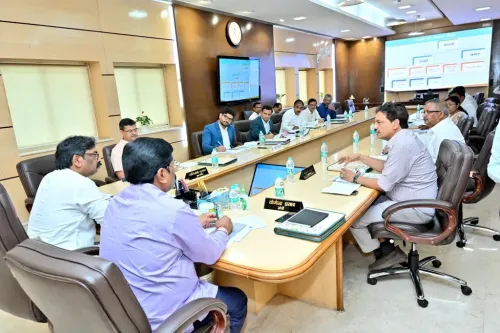
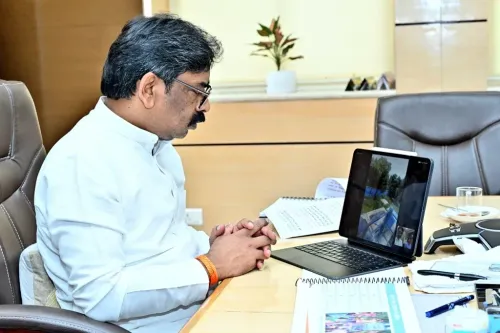
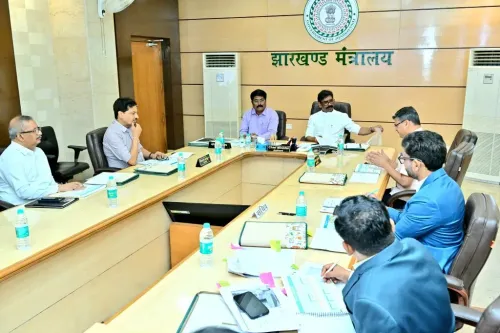
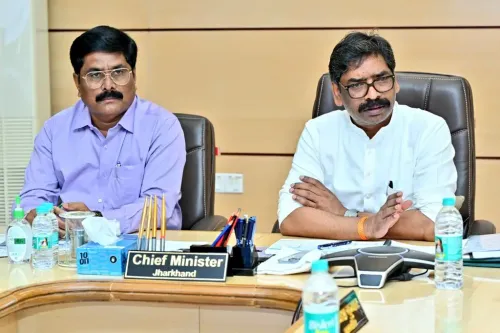
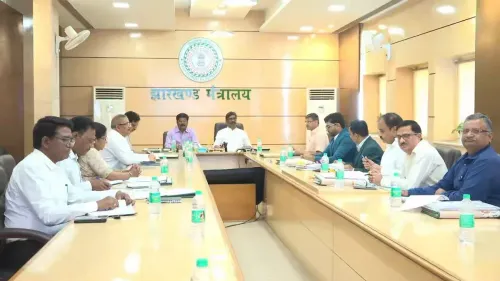
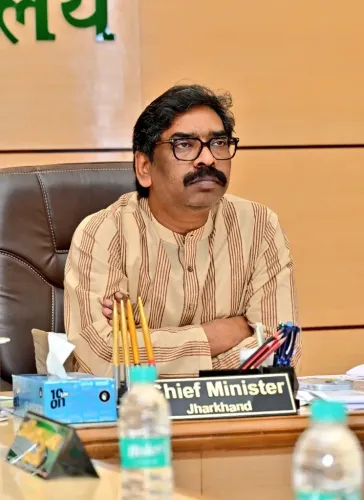
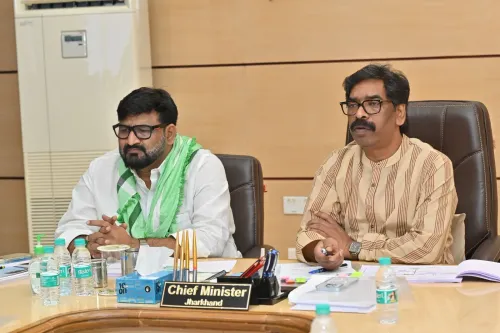
Chief Minister Hemant Soren chaired a review of the Drinking Water and Sanitation Department on June 9, 2026 .
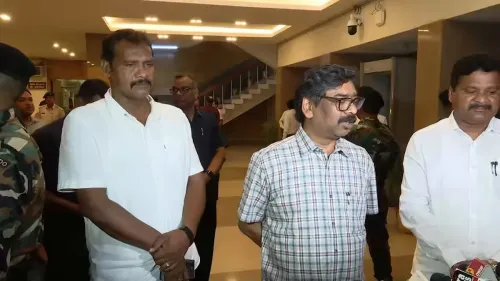
Yogendra Gomia , a senior government official, was present at the review meeting.
The Chief Minister issued 'necessary directives' to departmental officials following the review.
The review is tied to national programmes including the Jal Jeevan Mission (launched 2019 ) and Swachh Bharat Mission (Gramin) Phase-II (approved 2020 ).
Jharkhand's rural and tribal communities are the primary stakeholders expected to benefit from improved water and sanitation infrastructure.
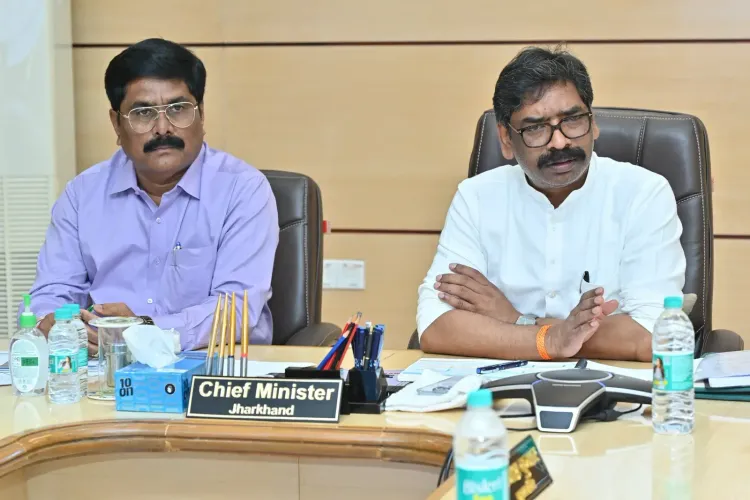
The Chief Minister's Office of Jharkhand announced on Tuesday, June 9, 2026, that Chief Minister Hemant Soren conducted a review of the Drinking Water and Sanitation Department and issued necessary directives to officials, with Yogendra Gomia also present at the meeting.
Context
The CMO's post stated that Chief Minister Soren reviewed the functioning of the Drinking Water and Sanitation Department — peyajal evam swachhata vibhag ke karyon ki samiksha (review of the works of the Drinking Water and Sanitation Department) — and gave 'necessary directives' to officials. The presence of Yogendra Gomia, a senior government functionary, signals the administrative weight assigned to this review.
Such high-level departmental reviews are a standard governance mechanism in Jharkhand, a state with a significant tribal population where access to safe drinking water and sanitation infrastructure has historically lagged national averages.
Policy Backdrop
The review comes against the backdrop of two major national programmes: the Jal Jeevan Mission, launched in 2019 with the goal of providing functional household tap connections to every rural household in India, and the Swachh Bharat Mission (Gramin) Phase-II, approved in 2020 to sustain open-defecation-free status and improve solid and liquid waste management in villages.
Jharkhand's implementation of both schemes is tracked through central dashboards that measure household tap connections and ODF sustainability. State governments are periodically expected to align their departmental actions with national targets and address gaps in rural coverage.
Stakeholders and Impact
The primary beneficiaries of improved water and sanitation infrastructure in Jharkhand are its rural households and tribal communities, who constitute a large share of the state's population. Access to clean drinking water directly affects public health outcomes, reducing waterborne disease burden and easing the daily burden on women and girls who often travel long distances to fetch water.
Senior officials of the Drinking Water and Sanitation Department are expected to translate the Chief Minister's directives into actionable targets at the district and block levels, coordinating with central scheme guidelines.
What's Next
Observers will watch for updated Jal Jeevan Mission coverage statistics for Jharkhand following this review, as well as any announcements in the state budget regarding additional allocations for water supply or sanitation projects. The directives issued by CM Soren at this meeting are likely to shape departmental priorities in the near term, with district-level implementation reviews expected to follow. Sustained political attention to this sector could accelerate rural water access for communities that have long awaited functional tap connections.
Point of View
Particularly as national scheme deadlines loom. Jharkhand's large tribal population makes water access a potent electoral and governance issue, and high-level reviews are a visible way to demonstrate administrative accountability. The tagging of Yogendra Gomia suggests the government is also ensuring bureaucratic ownership at senior levels. Whether this translates into measurable improvements in Jal Jeevan Mission coverage will be the real test of the exercise.
NationPress
19 Sept 2026
Frequently Asked Questions
Why did CM Hemant Soren review the Drinking Water and Sanitation Department?
CM Hemant Soren reviewed the department to assess ongoing works and issue directives to officials, aligning state implementation with national schemes like the Jal Jeevan Mission.
What is the Jal Jeevan Mission and how does it relate to Jharkhand?
The Jal Jeevan Mission is a national programme launched in 2019 to provide functional household tap connections to all rural households in India; Jharkhand's progress under the scheme is tracked through central dashboards.
Who is Yogendra Gomia in the context of this review?
Yogendra Gomia is a Jharkhand government official or minister who was referenced in connection with the Drinking Water and Sanitation Department review chaired by CM Soren.
What is the Swachh Bharat Mission Gramin Phase-II?
Swachh Bharat Mission (Gramin) Phase-II was approved in 2020 to sustain open-defecation-free status in villages and improve solid and liquid waste management across rural India.
Which communities benefit most from Jharkhand's water and sanitation improvements?
Rural households and tribal communities in Jharkhand are the primary beneficiaries, as these groups have historically faced the largest gaps in access to safe drinking water and sanitation infrastructure.