India urges West Asia ceasefire, cites toll on global food, fuel and financial flows
Synopsis
India's appeal for a West Asia ceasefire on 3 November was more than a diplomatic formality — it came paired with a striking show of naval resolve: the Indian Navy had just rescued 20 Iranian crew members in a 48-hour anti-piracy operation over 3,000 km from Mumbai. The dual message underscores how deeply the West Asia conflict has entangled India's economic and security interests.
Key Takeaways
MEA spokesperson Randhir Jaiswal on 3 November reiterated India's call for a ceasefire in West Asia , citing severe disruption to global food, fuel, fertiliser and financial flows.
India advocates dialogue and diplomacy among the warring parties to restore peace and stability in the region.
Indian embassies across West Asia remain in contact with the diaspora, issuing advisories and extending assistance as required.
The Indian Navy on 2 November rescued all 20 Iranian crew members of the pirated vessel Azini in a 48-hour operation more than 3,000 km from Mumbai .
Defence Minister Rajnath Singh congratulated the Navy, calling the mission a demonstration of high operational readiness.
India on Tuesday, 3 November 2026 reiterated its call for an immediate cessation of hostilities in West Asia, warning that the prolonged conflict has exacted a severe human and economic toll — disrupting global flows of food, fuel, fertilisers and finance while displacing lives far beyond the region's borders.
Key Developments at MEA Briefing
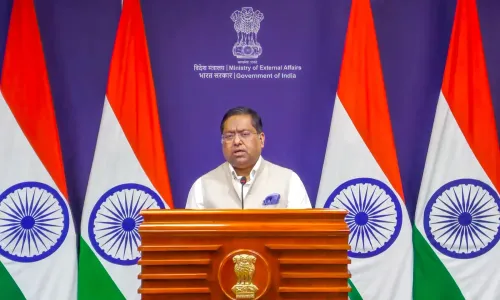
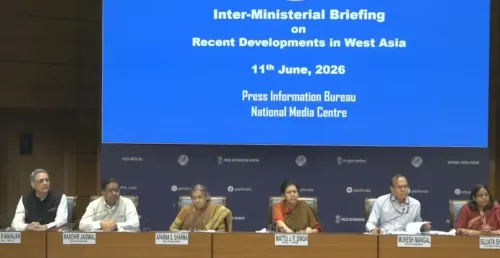
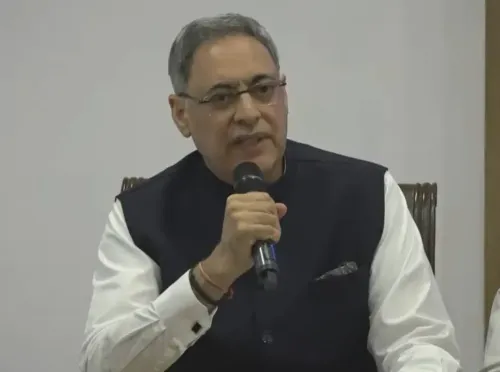
Ministry of External Affairs (MEA) spokesperson Randhir Jaiswal, addressing a bi-weekly media briefing in New Delhi, said India has been closely monitoring the evolving situation and continues to champion dialogue and diplomacy as the only sustainable path to regional stability.
'The conflict has, as you know, already taken a very heavy toll in terms of casualties and has been disrupting people's lives, not just in the region, but across the world. It has had a debilitating impact on global food, fuel, fertilizer and financial flows, and we urge cessation of hostilities so that normalcy can be restored in the region,' Jaiswal said.
India's Stand: Diplomacy Over Escalation
New Delhi has consistently positioned itself as an advocate for de-escalation in West Asia without formally aligning with either side in the conflict. This latest statement reinforces that posture, with Jaiswal emphasising that Indian embassies across the region remain in close contact with the Indian diaspora, issuing advisories and extending assistance as required.
'Our embassies in all the countries there are in close touch with them. They have also issued several advisories, and we continue to help them and give them a helping hand as and when required,' the MEA spokesperson said. This comes amid growing international concern over the humanitarian situation and mounting pressure on governments to take firmer stances.
Indian Navy Rescues 20 Iranian Crew in Arabian Sea Operation
In a separate but directly related development, the Indian Navy on 2 November successfully completed a meticulously coordinated 48-hour anti-piracy operation more than 3,000 km from Mumbai, rescuing all 20 Iranian crew members aboard the pirated fishing vessel Azini in the Arabian Sea. The Navy located and intercepted the vessel and secured the safe release of all crew members from heavily armed pirates.
Defence Minister Rajnath Singh congratulated the Navy on the mission's success, stating that the operation demonstrated the force's high operational readiness and its capacity to respond decisively to maritime threats across the region. Jaiswal also highlighted the rescue at Tuesday's briefing as evidence of India's ongoing commitment to maritime security in the area.
Economic Ripple Effects and Global Stakes
India's concerns over the West Asia conflict extend well beyond diplomatic positioning. The Arabian Sea and adjacent waterways are critical arteries for Indian trade, energy imports and diaspora remittances — sectors that are all exposed to prolonged regional instability. Disruptions to shipping lanes have already pushed freight and insurance costs higher, with downstream pressure on domestic fuel and commodity prices.
Notably, India is among the world's largest importers of crude oil, with a significant share sourced from West Asian producers. Any further escalation risks tightening supply chains that Indian industry and consumers depend on. The government's dual messaging — urging restraint on the diplomatic front while demonstrating naval muscle in the maritime domain — reflects the delicate balancing act New Delhi continues to perform in one of the world's most volatile flashpoints.
What Comes Next
India is expected to continue raising the issue through multilateral forums as international pressure for a ceasefire mounts. The safety of the estimated 9 million-strong Indian diaspora in the Gulf region and the security of commercial shipping lanes in the Arabian Sea will remain core priorities for the MEA and the Indian Navy in the weeks ahead.
Point of View
The cost of not taking sides is itself becoming measurable. The real question is whether India's voice carries enough weight at multilateral tables to accelerate a ceasefire, or whether it remains another articulate but unheeded appeal in a conflict that has defied international consensus for months.
NationPress
3 Nov 2026
Frequently Asked Questions
What has India said about the West Asia conflict?
India has called for an immediate cessation of hostilities in West Asia, arguing the conflict has taken a heavy human toll and is disrupting global food, fuel, fertiliser and financial flows. MEA spokesperson Randhir Jaiswal made the appeal at a media briefing in New Delhi on 3 November.
What did the Indian Navy do in the Arabian Sea?
The Indian Navy on 2 November rescued all 20 Iranian crew members of the pirated fishing vessel Azini in a 48-hour anti-piracy operation conducted more than 3,000 km from Mumbai in the Arabian Sea. The Navy intercepted the vessel and freed the crew from heavily armed pirates.
What is India's position on the West Asia conflict?
India advocates dialogue and diplomacy rather than military escalation, and has refrained from formally aligning with either side in the conflict. New Delhi has consistently urged all parties to pursue peace and stability through negotiation.
How is the West Asia conflict affecting India?
The conflict is disrupting shipping lanes critical to India's trade and energy imports, pushing freight and insurance costs higher. India is also monitoring the safety of its approximately 9 million-strong diaspora in the Gulf region and of commercial vessels in the Arabian Sea.
What is India doing for its citizens in West Asia?
Indian embassies across the region remain in close contact with the local Indian community, issuing travel and safety advisories and providing assistance when required, according to MEA spokesperson Randhir Jaiswal.