14 Indian seafarers killed in West Asia conflict, 2 still missing: MEA
Synopsis
India has now lost 14 seafarers to the West Asia conflict, with two more unaccounted for — and the government has responded by banning fresh deployments through the Strait of Hormuz. With Iranian military installations struck by the US and merchant vessels under active attack, the crisis is no longer a distant geopolitical story: it is an Indian labour emergency at sea.
Key Takeaways
MEA confirmed on 17 July that 14 Indian nationals have died in the West Asia conflict and two remain missing.
DGMA has directed ship owners and RPSL companies to stop deploying Indian seafarers on vessels transiting the Strait of Hormuz until further notice.
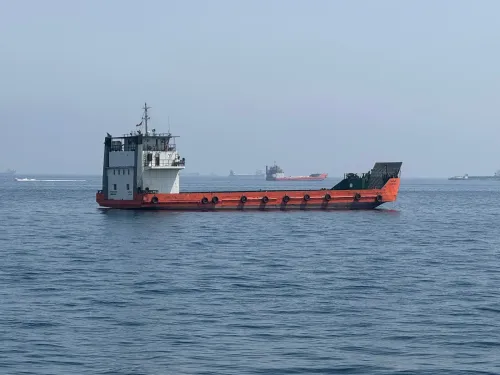
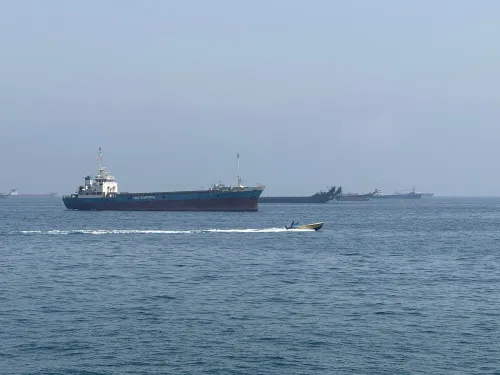
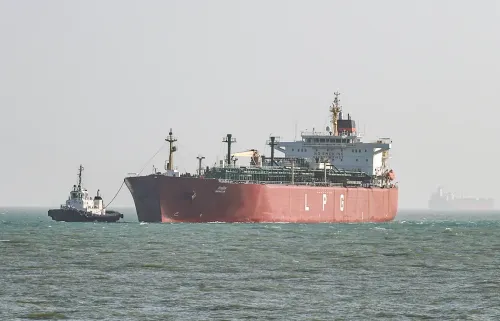
Recent attacks targeted merchant vessels including Mombasa B , Al Bahyah , GFS Galaxy , MT WEDYAN , and AL REKAYYAT .
India summoned the Deputy Chief of Mission of Iran to convey 'deepest concerns' and condemn the incidents.
New Delhi continues to call for safe and unimpeded navigation through the Strait of Hormuz , citing global energy and economic security.
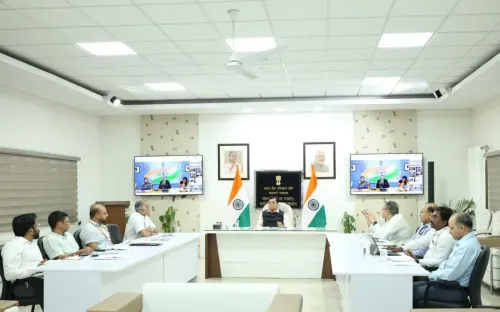
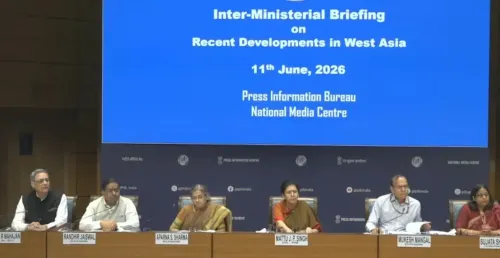
The Ministry of External Affairs (MEA) on Friday, 17 July confirmed that 14 Indian seafarers have lost their lives in the ongoing conflict in West Asia, with two Indian nationals still unaccounted for. MEA spokesperson Randhir Jaiswal made the disclosure at the bi-weekly media briefing in New Delhi, underscoring that the safety of Indian maritime workers in the volatile region remains a top government priority.
What the MEA Said
Jaiswal stated that a large number of Indian seafarers are employed across West Asia and that alerting them to potential risks is a core responsibility. 'I do not have the exact number of seafarers at this moment, but I can tell you that, so far, 14 Indian nationals have lost their lives in the conflict in West Asia and two Indian nationals remain missing,' he said.
He added that India has summoned the Deputy Chief of Mission of Iran, conveying 'deepest concerns' and strongly condemning the incidents. 'We lost a precious Indian life, and several Indian nationals have been injured, a couple of them seriously injured,' Jaiswal noted.
Strait of Hormuz Deployment Ban
The Directorate General of Maritime Administration (DGMA) has directed ship owners, ship managers, and Recruitment and Placement Service Licence (RPSL) companies to halt the deployment of Indian seafarers on vessels transiting through the Strait of Hormuz until further orders. The regulator cited the heightened security environment in the Gulf region as the basis for the directive.
In a post on social media platform X, the DGMA said the measure was aimed at safeguarding the 'safety, security and welfare' of Indian seafarers amid continuing attacks on merchant vessels in the conflict-affected zone.
Vessels Targeted in Recent Attacks
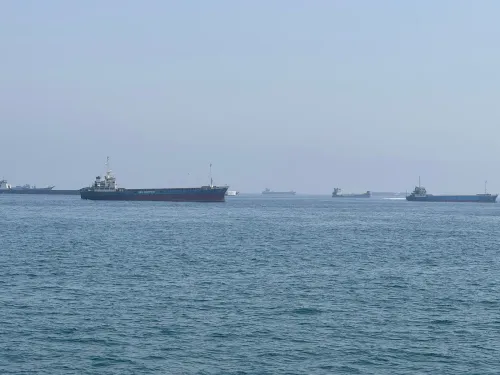
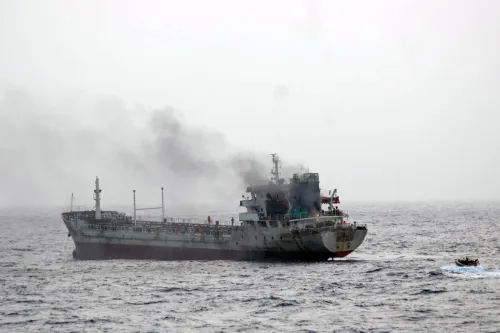
Recent attacks on merchant ships — including Mombasa B, Al Bahyah, GFS Galaxy, MT WEDYAN, and AL REKAYYAT — have significantly escalated the risks faced by commercial crews operating in the area, according to the DGMA. The advisory from the Directorate General of Shipping was issued in the same context, with Jaiswal confirming the government had taken note of it.
Regional Context and India's Position
Tensions in the region have intensified following US strikes on Iranian military installations, which stoked fears of a broader regional conflict and potential disruptions to shipping through the Strait of Hormuz. On Tuesday, India reiterated its call for safe and unhindered navigation through the strategic waterway, asserting that the free flow of commerce is 'key for ensuring the economic and energy security of people across the world.'
New Delhi has maintained it is closely monitoring developments while continuing to advocate de-escalation, dialogue, and diplomacy to restore stability. With the conflict showing no signs of abating, the fate of the two missing Indian nationals and the welfare of thousands of seafarers still in the region remain an urgent concern.
Point of View
And the Gulf is a primary employment corridor; this crisis exposes a structural vulnerability that no advisory alone can fix. The DGMA ban on Hormuz deployments is a protective step, but it also raises a harder question: what happens to the contracts, wages, and insurance of seafarers pulled off vessels mid-voyage? The summoning of Iran's Deputy Chief of Mission signals diplomatic displeasure, but without a credible bilateral mechanism for protecting Indian maritime labour in conflict zones, the response risks being reactive rather than systemic.
NationPress
16 Oct 2026
Frequently Asked Questions
How many Indian seafarers have been killed in the West Asia conflict?
The MEA confirmed on 17 July that 14 Indian nationals have lost their lives in the West Asia conflict, with two more still missing. The disclosure was made by MEA spokesperson Randhir Jaiswal at a bi-weekly media briefing in New Delhi.
What is the DGMA advisory on the Strait of Hormuz?
The Directorate General of Maritime Administration has directed ship owners, ship managers, and RPSL companies to stop deploying Indian seafarers on vessels transiting the Strait of Hormuz until further orders. The ban was issued in response to the heightened security situation and ongoing attacks on merchant vessels in the Gulf region.
Which merchant vessels were attacked in the West Asia conflict?
According to the DGMA, recent attacks targeted merchant vessels including Mombasa B, Al Bahyah, GFS Galaxy, MT WEDYAN, and AL REKAYYAT, significantly raising the risk for commercial crews operating in the area.
What has India done diplomatically in response to the seafarer deaths?
India summoned the Deputy Chief of Mission of Iran to convey its deepest concerns and strongly condemn the incidents. MEA spokesperson Randhir Jaiswal said India continues to call for de-escalation, dialogue, and diplomacy to ensure regional stability.
Why is the Strait of Hormuz critical to India?
The Strait of Hormuz is a vital chokepoint for global energy and trade flows. India has repeatedly stressed that safe and unhindered navigation through the waterway is essential for the economic and energy security of countries worldwide, including India itself.