CM Soren Directs Groundwater Recharge Push in Jharkhand
Synopsis
Jharkhand CM Hemant Soren on June 9, 2026 directed officials to draft a long-term groundwater recharge plan using rainwater harvesting and defunct handpump borings, while mandating clean drinking water at every Anganwadi centre across the state.
Key Takeaways
CM Hemant Soren issued three water-related directives publicly on June 9, 2026 .
Officials have been asked to prepare a long-term action plan to raise groundwater levels through rainwater harvesting and recharge pits.
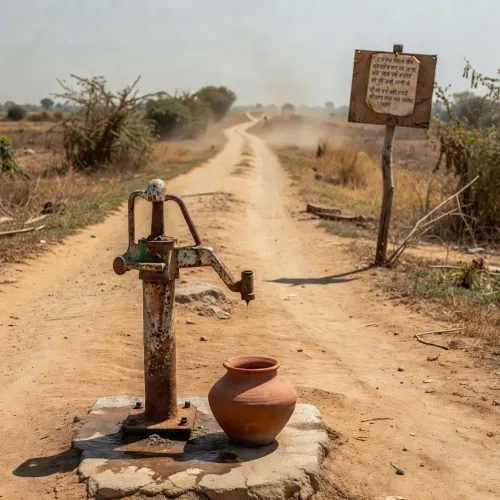
Defunct handpump borings are to be repurposed as recharge pits for low-cost groundwater conservation.
Pure drinking water must be ensured at every Anganwadi centre in Jharkhand .
The directives align with central schemes including Atal Bhujal Yojana and Jal Jeevan Mission , both launched in 2019 .
Key beneficiaries include rural households, small farmers , and children and mothers served by Anganwadi centres.
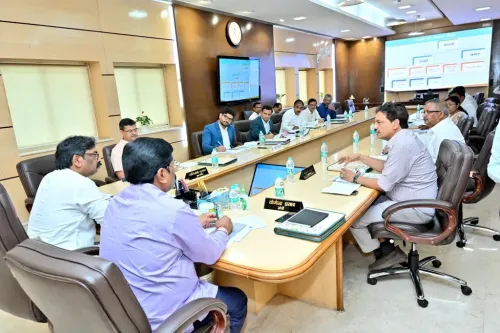
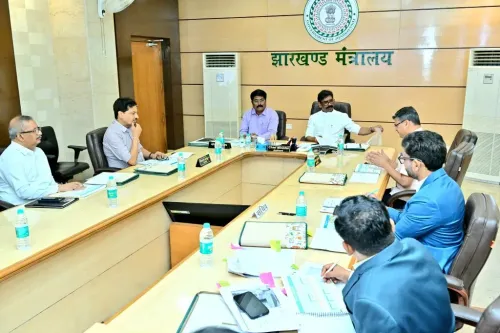
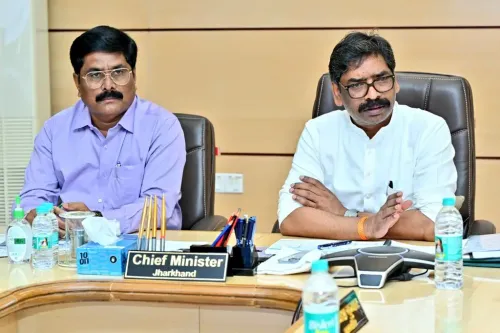
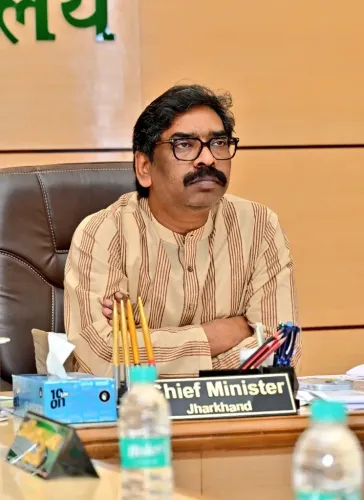
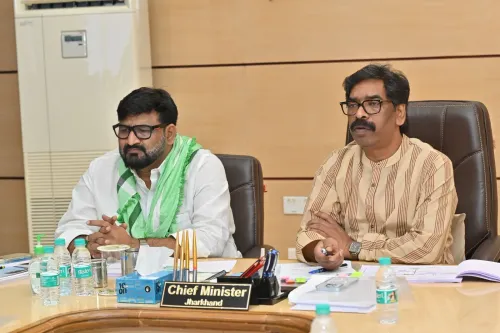
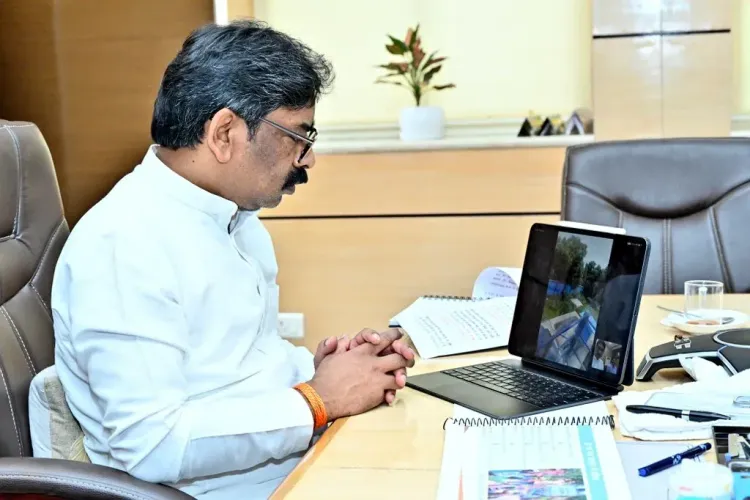
Jharkhand Chief Minister Hemant Soren on Tuesday, June 9, 2026, issued a set of directives aimed at improving groundwater levels and ensuring safe drinking water access across the state, with a particular focus on rural infrastructure and Anganwadi centres.
Context
Posting on X, CM Soren outlined three specific instructions to officials. He called for a long-term action plan to raise groundwater levels through vर्षा जल संचयन एवं रिचार्ज पिट (rainwater harvesting and recharge pits). He further directed that defunct handpump borings be repurposed as recharge pits to promote water conservation. Crucially, he also mandated that pure drinking water be made available at every Anganwadi centre in the state.
The directives, shared publicly, signal that Jharkhand's administration is moving toward a structured, infrastructure-led approach to address seasonal groundwater stress — a chronic concern in the state's rural and tribal belts.
Policy Backdrop
Jharkhand is an eastern Indian state with a large tribal population and regions that face recurring groundwater stress due to rainfall variability and the legacy of extensive mining activity. The idea of converting unused borewells into recharge structures is consistent with a broader national pattern promoted since the 2012 National Water Policy and reinforced through campaigns such as Jal Shakti Abhiyan.
At the central level, the Atal Bhujal Yojana, launched in 2019, targets groundwater management through community-led recharge and crop-water budgeting in water-stressed blocks across seven states, including Jharkhand. The Jal Jeevan Mission, also announced in 2019, incorporates source sustainability measures — rainwater harvesting and recharge structures — alongside household tap connections. CM Soren's directives appear to draw on both frameworks at the state level.
Stakeholders and Impact
Anganwadi centres are rural childcare hubs under India's Integrated Child Development Services scheme, serving children under six with nutrition support, health check-ups, and pre-school education. Ensuring clean drinking water at these centres directly affects some of the most vulnerable beneficiaries — young children and their mothers — in Jharkhand's rural communities.
Small farmers and rural households stand to benefit from improved groundwater levels, which affect irrigation availability during dry spells. The repurposing of defunct handpumps as recharge pits is a low-cost intervention that can be implemented at scale without large capital expenditure, making it practically viable for a state with a significant rural footprint.
What's Next
The immediate focus will be on district-level rollout of the long-term recharge action plan and coordination between Jharkhand's rural development and drinking-water departments. Observers will watch whether these directives are integrated into the state's annual budget allocations or formally linked to ongoing central schemes such as Atal Bhujal Yojana and Jal Jeevan Mission.
If implemented consistently, the twin focus on aquifer recharge and guaranteed drinking water at Anganwadi centres could set a replicable model for other states navigating the intersection of groundwater depletion and rural public-health infrastructure.
Point of View
Cost-conscious approach suited to a state with fiscal constraints. Whether these directives translate into measurable outcomes will depend on departmental coordination and integration into formal budget cycles — the gap between public instruction and on-ground implementation has historically been the critical test for such water-governance announcements in Indian states.
NationPress
23 Oct 2026
Frequently Asked Questions
What did Jharkhand CM Hemant Soren say about groundwater?
CM Hemant Soren directed officials on June 9, 2026 to prepare a long-term action plan to raise groundwater levels through rainwater harvesting and recharge pits, and to repurpose defunct handpump borings as recharge structures.
Why is groundwater a problem in Jharkhand?
Jharkhand faces seasonal groundwater stress due to rainfall variability and the impact of extensive mining activity, particularly in its rural and tribal regions.
What is a recharge pit and how does it help?
A recharge pit is a structure that channels rainwater or surface runoff into the ground to replenish aquifers. Repurposing defunct handpump borings as recharge pits is a low-cost way to boost groundwater levels.
Why did CM Soren mention Anganwadi centres for drinking water?
Anganwadi centres serve young children and mothers in rural areas under India's Integrated Child Development Services scheme. Ensuring clean drinking water there directly protects one of the most vulnerable groups in Jharkhand's rural communities.
How does Jharkhand's plan connect to central government water schemes?
The directives align with the Atal Bhujal Yojana and Jal Jeevan Mission, both launched in 2019, which promote groundwater recharge, rainwater harvesting, and source sustainability as part of national water policy.