CM Hemant Soren Orders Timely Completion of Irrigation Schemes
Synopsis
Chief Minister Hemant Soren has directed Jharkhand officials to complete irrigation, mega lift, and pipeline projects on schedule. The plan aims to conserve river water, boost farm output, reduce seasonal out-migration, and expand aquaculture through poly ponds across the state.
Key Takeaways
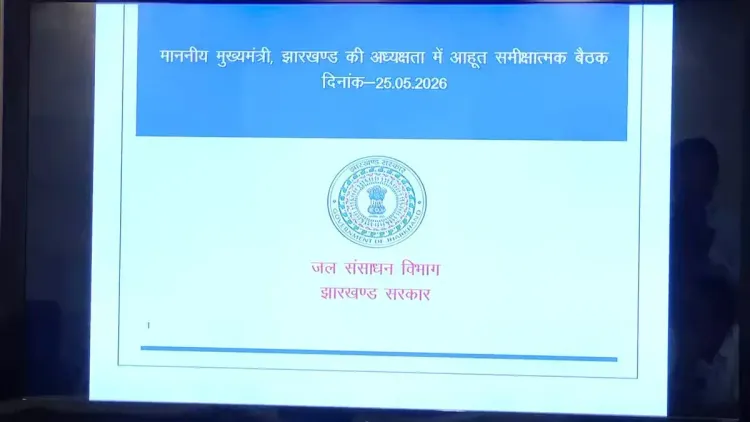
CM Hemant Soren directed officers on 25 May 2026 to complete irrigation, mega lift, and pipeline schemes on time.
The plan involves conserving river water within Jharkhand and routing it directly to agricultural fields.
Increased agricultural production is framed as a tool to reduce seasonal labour out-migration from the state.
Poly ponds (poly talab) are to be used to promote fish farming as an additional rural income source.
The initiative builds on projects targeting the Damodar and Subarnarekha river basins, aligned with the central PMKSY framework.
Neighbouring states Odisha and Chhattisgarh have run similar irrigation drives given comparable topography and migration pressures.
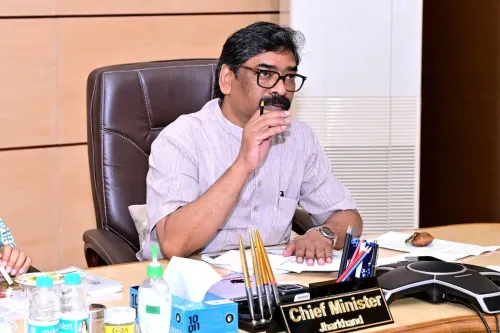
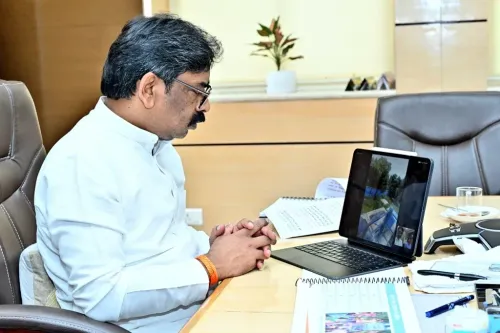
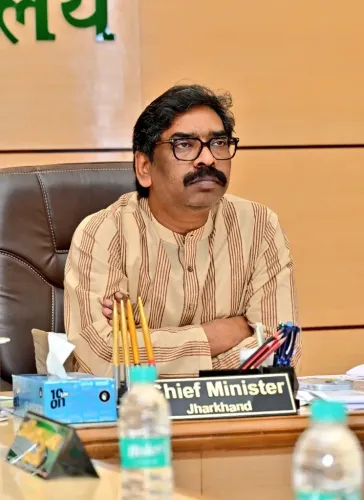
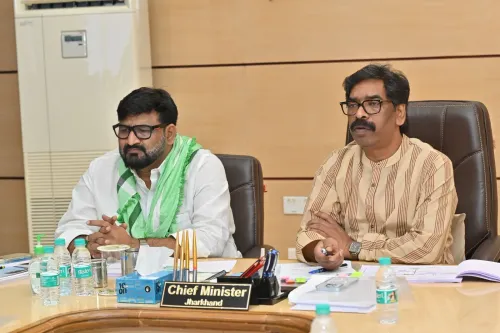
The Chief Minister's Office of Jharkhand announced on Monday, 25 May 2026 that Chief Minister Hemant Soren has directed state officials to complete irrigation, mega lift, and pipeline schemes on schedule — part of a broader push to channel river water to farmlands, boost agricultural output, curb out-migration, and promote fish farming through poly ponds.
Context
The CMO's post, shared in Hindi, states that CM Soren instructed officers to ensure timely delivery of these water infrastructure projects. The directive covers conserving river water within the state and routing it to fields, increasing agricultural production to reduce seasonal migration, and expanding aquaculture through poly talab (poly ponds).
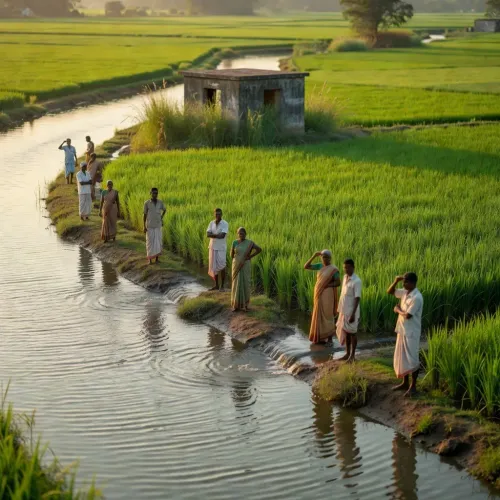
Jharkhand is an eastern Indian state with a predominantly tribal and rural population. A large share of its farmland is rain-fed, making irrigation access a persistent constraint on productivity and a key driver of seasonal labour migration to other states.
Policy Backdrop
The Jharkhand government has pursued lift-irrigation and pipeline projects since 2019, targeting river basins including the Damodar and Subarnarekha to convert rain-fed tracts into double-cropping zones. These state-level efforts align with the Union government's Pradhan Mantri Krishi Sinchayee Yojana (PMKSY), launched in 2015, under which Jharkhand has received central assistance for mega lift and pipeline works.
The rationale behind mega lift schemes is to conserve river water locally rather than allow it to drain out of the state — a concern shared by neighbouring Odisha and Chhattisgarh, which face similar topographic and migration challenges and have run comparable irrigation programmes.
Stakeholders and Impact
Small and marginal farmers stand to be the primary beneficiaries if the schemes are completed on time, gaining access to assured irrigation for a second crop cycle. Rural migrants — who leave Jharkhand each year for construction and industrial work in other states — are the intended beneficiaries of the anti-migration rationale underpinning the directive.
Fisherfolk and rural entrepreneurs could benefit from the poly-pond aquaculture component. Poly ponds — low-cost, lined water bodies — allow fish farming even in areas without perennial water sources, providing an additional income stream alongside agriculture.
What's Next
The immediate test will be whether state departments release physical progress reports and updated timelines for the listed mega-lift and pipeline works. Budget provisions and fresh tender announcements for poly-pond construction in the next state fiscal cycle will indicate how seriously the directive translates into administrative action.
If the water infrastructure targets are met, Jharkhand could see measurable gains in irrigated area and agricultural output — and potentially a reduction in the seasonal out-migration that has long defined the state's rural economy.
Point of View
Or whether the directive remains aspirational.
NationPress
9 Oct 2026
Frequently Asked Questions
What did CM Hemant Soren order regarding irrigation in Jharkhand?
CM Hemant Soren directed state officials to complete irrigation, mega lift, and pipeline schemes on time, with the goal of channelling river water to farmlands and boosting agricultural output.
How will Jharkhand's irrigation schemes help reduce out-migration?
By providing assured irrigation for a second crop cycle, the schemes aim to improve farm incomes so that rural households are less dependent on seasonal labour migration to other states.
What are poly ponds and how will they help Jharkhand farmers?
Poly ponds, or poly talab, are low-cost lined water bodies that enable fish farming even without perennial water access, offering an additional income stream for rural households alongside crop farming.
Which rivers are targeted by Jharkhand's lift-irrigation projects?
Jharkhand's lift-irrigation and pipeline projects have targeted river basins including the Damodar and Subarnarekha to conserve water within the state and redirect it to agricultural fields.
Is Jharkhand's irrigation push linked to any central government scheme?
Yes, Jharkhand's mega lift and pipeline works are aligned with the Union government's Pradhan Mantri Krishi Sinchayee Yojana (PMKSY), launched in 2015, under which the state has received central assistance.