CM Soren Reviews Jal Jeevan Mission, Orders Faster Water Access
Synopsis
Jharkhand CM Hemant Soren on 9 June 2026 directed state officials to accelerate Jal Jeevan Mission works for time-bound household tap-water delivery and to specially monitor areas at risk of drinking water crisis, following a departmental review meeting.
Key Takeaways
CM Hemant Soren chaired a review of the Drinking Water and Sanitation Department on 9 June 2026 .
Officials were directed to speed up Jal Jeevan Mission works and deliver tap water to every household in a time-bound manner.
Areas at risk of a drinking water crisis are to receive special monitoring with solutions ensured proactively.
The Jal Jeevan Mission was launched by the Government of India in August 2019 to provide tap connections to all rural homes.
Jharkhand's terrain and tribal habitations present particular challenges for last-mile water infrastructure delivery.
The review aligns with a broader pattern of pre-monsoon departmental audits to prevent seasonal water shortages.
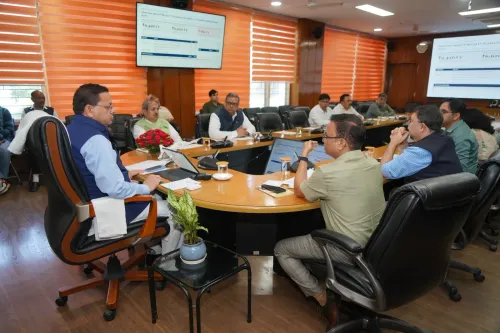
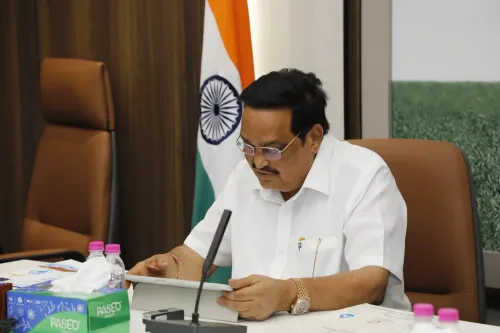
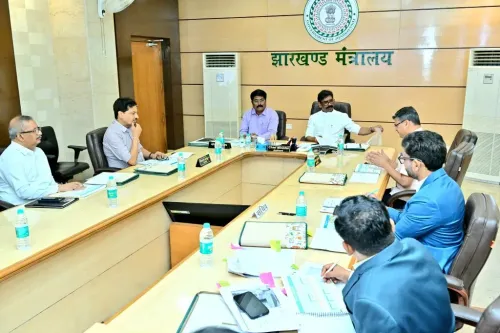
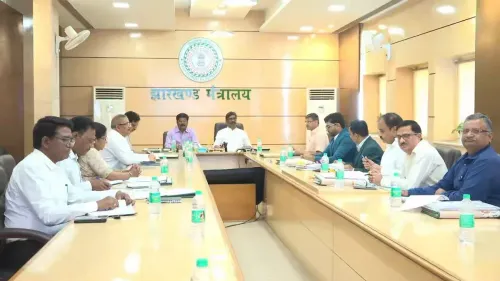
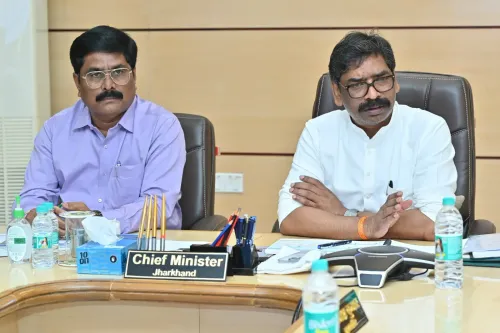
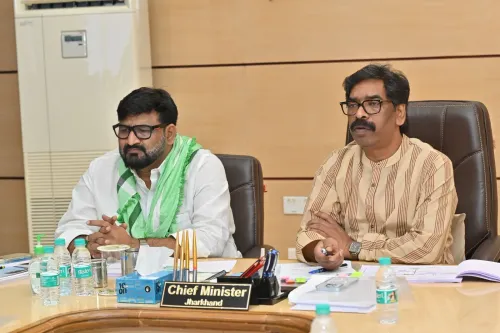
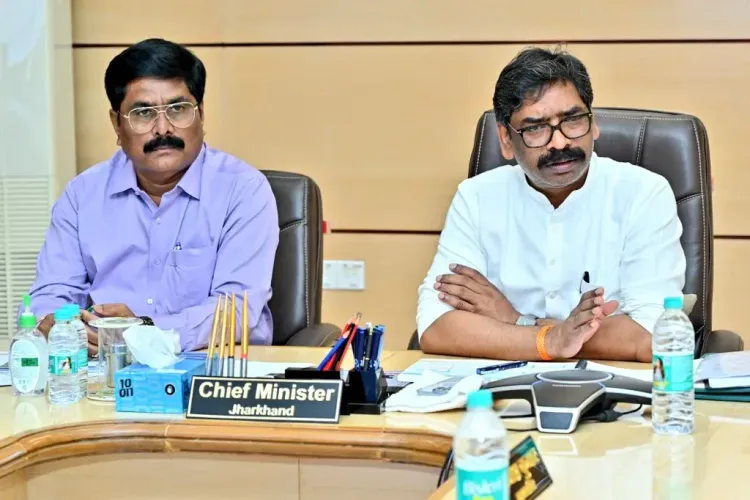
Jharkhand Chief Minister Hemant Soren on Tuesday, 9 June 2026, chaired a review meeting of the state's Drinking Water and Sanitation Department, directing officials to accelerate implementation of the Jal Jeevan Mission and ensure piped drinking water reaches every household on schedule.
Posting on X after the meeting, CM Soren outlined two specific directives. First, he instructed officials to 'Jal Jeevan Mission ke karyon mein tezi late hue' — 'speed up Jal Jeevan Mission works and deliver tap water to every home in a time-bound manner.' Second, he called for special monitoring of areas at risk of a drinking water crisis, with a mandate to ensure solutions are in place before the situation worsens.
Context
The meeting comes as Jharkhand — an eastern Indian state with large tribal populations and challenging terrain — continues its push to close gaps in rural water coverage. Seasonal water stress, particularly in the months preceding and following the monsoon, has historically left pockets of the state vulnerable to acute shortages. Departmental reviews of this kind typically intensify around this period to pre-empt supply disruptions.
Policy Backdrop
The Jal Jeevan Mission was launched by the Government of India in August 2019 with the goal of providing functional household tap connections to every rural home in the country. The original target year was 2024, and state governments have since been responsible for ground-level execution, funding co-ordination, and last-mile connectivity in their respective jurisdictions.
Jharkhand's Drinking Water and Sanitation Department is the nodal agency for implementing the mission in the state. The department oversees infrastructure rollout across diverse geographies, including remote tribal habitations where laying pipelines poses logistical challenges. CM Soren has consistently positioned rural water access as a priority within the state's broader development agenda.
Stakeholders and Impact
The directives have direct implications for rural households across Jharkhand, particularly those in blocks identified as water-stressed. Women and children in these communities bear a disproportionate burden when piped supply is absent, often travelling long distances to fetch water from natural sources that dry up seasonally.
By ordering 'special monitoring' of crisis-prone areas, Soren signalled that the government intends to move beyond aggregate coverage numbers and address localised gaps. Officials at the district and block levels are expected to map vulnerable zones and put contingency measures in place ahead of peak dry-season demand.
What's Next
The immediate focus will be on how quickly the department translates the chief minister's directives into field-level action. Quarterly Jal Jeevan Mission coverage data released by the Jharkhand government will be the clearest indicator of progress. Any supplementary budget provisions for water-stressed blocks in the next fiscal cycle could signal the administration's longer-term commitment to closing the remaining coverage gap. With the monsoon season approaching, the window for preventive infrastructure work is narrow, making the pace of execution in the coming weeks critical.
Point of View
' the chief minister is signalling a shift from aggregate metrics to granular, area-specific accountability — a politically important move in a state where water scarcity disproportionately affects tribal and marginalised communities who form a core part of the JMM's electoral base. The timing, just ahead of the monsoon, suggests the administration is also managing the optics of seasonal water stress before it becomes a visible governance failure. How rigorously the department follows through will determine whether this review translates into measurable on-ground change or remains a routine administrative exercise.
NationPress
16 Sept 2026
Frequently Asked Questions
What is the Jal Jeevan Mission and what is its status in Jharkhand?
The Jal Jeevan Mission is a central government scheme launched in August 2019 to provide piped tap-water connections to every rural household in India. In Jharkhand, the state's Drinking Water and Sanitation Department is responsible for its implementation, with terrain and tribal habitation patterns posing ongoing challenges to full coverage.
What did CM Hemant Soren direct officials at the 9 June 2026 meeting?
CM Soren directed officials to speed up Jal Jeevan Mission works to deliver tap water to every home in a time-bound manner, and to specially monitor areas at risk of a drinking water crisis to ensure solutions are in place before shortages occur.
Why is Jharkhand particularly vulnerable to drinking water shortages?
Jharkhand's hilly terrain, dispersed tribal habitations, and seasonal water stress make it harder to build and maintain piped water infrastructure, leaving some rural communities without reliable access to safe drinking water, especially during dry periods.
What is the Drinking Water and Sanitation Department of Jharkhand?
It is the state government department responsible for executing rural water supply and sanitation programmes in Jharkhand, including the implementation of the centrally sponsored Jal Jeevan Mission.
What should we watch for after this departmental review?
Key indicators to track include quarterly Jal Jeevan Mission coverage data released by the Jharkhand government and any supplementary budget allocations for water-stressed blocks, which would signal the administration's longer-term commitment to closing remaining coverage gaps.