White House rolls back methane rules, claims $45B savings
Synopsis
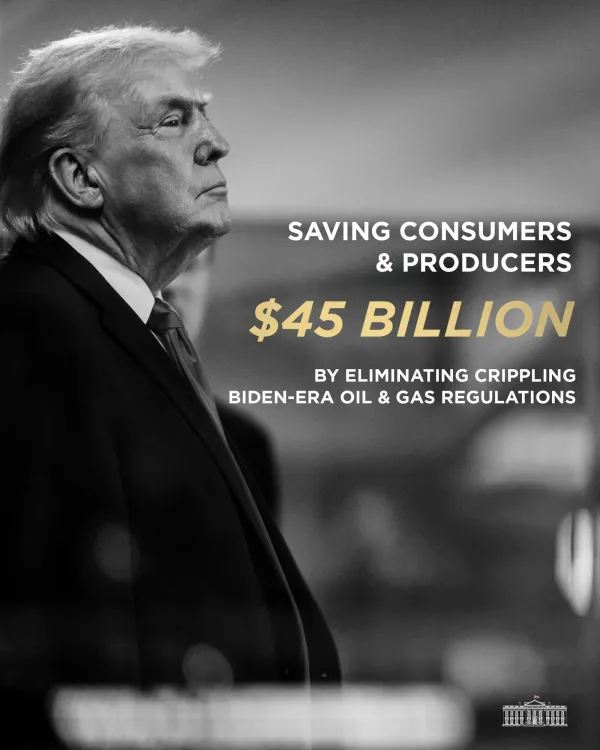
The White House announced the rollback of federal methane regulations on October 28, 2026, projecting $45 billion in regulatory savings, 210 million barrels of oil released, and 1.4 trillion cubic feet of natural gas produced — the latest swing in a long US energy-versus-environment policy cycle.
Key Takeaways
The White House announced the rollback of costly methane regulations on October 28, 2026 .
The administration projects $45 billion in regulatory savings from the move.
The rollback is projected to release 210 million barrels of U.S. oil and produce 1.4 trillion cubic feet of natural gas.
Federal methane standards were first introduced by the Obama administration in 2016 under the Clean Air Act ; the Trump administration had previously sought rollbacks between 2018 and 2020.
The EPA governs the rulemaking process, and legal challenges from environmental groups are widely expected.
U.S. methane policy has historically alternated between tightening under Democratic and loosening under Republican administrations.
The White House has announced a sweeping rollback of federal methane regulations, framing the move as a direct lever to cut household energy costs and accelerate domestic oil and gas output — a pivot that lands squarely in the centre of America's decades-old energy-versus-environment fault line.
The numbers Washington wants you to remember
The official announcement puts the regulatory savings at $45 billion, while projecting the release of 210 million barrels of U.S. oil and the production of 1.4 trillion cubic feet of natural gas as direct consequences of unwinding the methane rules. The White House framed the action explicitly as a way to 'lower energy costs and unleash American energy production.' These figures come from the administration's own projections and have not been independently verified.
A rule with a long paper trail
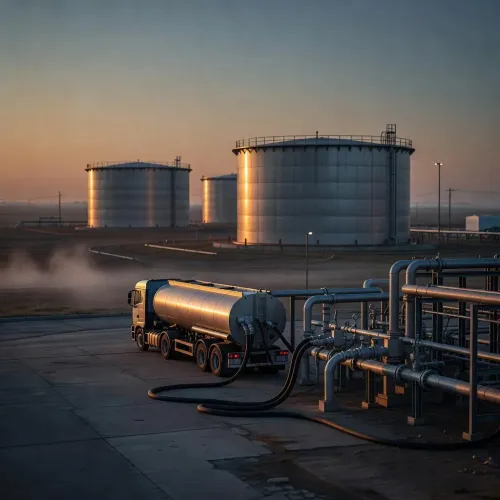
The methane regulations being targeted were not born yesterday. The Obama administration first codified federal methane emission standards for new oil and gas sources in 2016 under the Clean Air Act, requiring producers to detect and plug leaks across wellheads, pipelines, and storage facilities. The logic was straightforward: methane is a potent greenhouse gas, roughly 80 times more powerful than carbon dioxide over a 20-year window, and the oil and gas sector is its single largest industrial source in the United States.
The Trump administration moved to roll back portions of those standards between 2018 and 2020, only for the rules to be reinstated and tightened again. What the White House announced on October 28, 2026 continues that pendulum's rightward arc — the latest chapter in a policy cycle that has swung with near-clockwork regularity between Democratic tightening and Republican loosening.
Who gains, who pushes back
Oil and gas producers stand as the most immediate beneficiaries — lower compliance costs translate directly into wider margins and, the administration argues, greater incentive to drill. Energy consumers, the White House contends, will feel the downstream relief through cheaper electricity and heating bills. Environmental groups and Democratic attorneys general are the constituencies most likely to file legal challenges through EPA rulemaking review processes; that front is one to watch closely in the weeks ahead.
The Environmental Protection Agency will be the institutional fulcrum — it holds the rulemaking authority under the Clean Air Act, and any formal rollback must survive the notice-and-comment process and the near-certain court scrutiny that follows. History suggests litigation will arrive quickly.
Point of View
The White House is attempting to shift the public debate from emissions to economics. The legal exposure is real: Clean Air Act rollbacks have a poor track record in federal courts, and the notice-and-comment requirements alone guarantee a multi-year battle. For global energy markets, the signalling effect — that U.S. supply constraints may ease — could matter even before a single barrel flows.
NationPress
29 Oct 2026
Frequently Asked Questions
What are methane regulations and why are they being rolled back?
Methane regulations are federal rules requiring oil and gas producers to detect and reduce methane leaks under the Clean Air Act. The White House is rolling them back citing high compliance costs and arguing the move will lower energy prices and boost domestic production.
How much will the US save from removing methane rules?
The White House claims the rollback will generate $45 billion in regulatory savings, though these are administration projections and have not been independently verified.
How much oil and gas will be produced after the methane rule rollback?
The administration projects 210 million barrels of U.S. oil released and 1.4 trillion cubic feet of natural gas produced as a result of removing the regulations.
What is the history of methane regulations in the US?
The Obama administration set the first federal methane standards for oil and gas in 2016. The first Trump administration rolled back portions between 2018 and 2020. The standards were subsequently tightened again before the current rollback was announced in October 2026.
Can environmental groups challenge the methane rollback legally?
Yes. The EPA must follow formal notice-and-comment rulemaking procedures under the Clean Air Act, and legal challenges from environmental groups and state attorneys general are widely anticipated, consistent with the pattern from previous rollback attempts.