White House Hails Falling Oil Prices, Calls World Safer
Synopsis
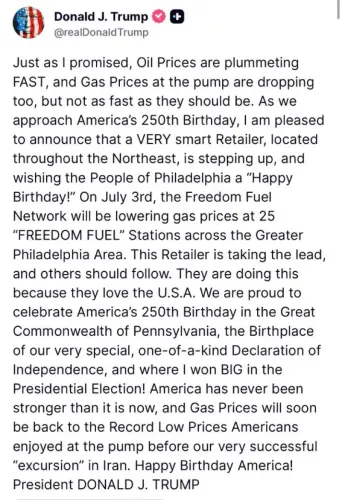
The White House on June 23, 2026, declared oil prices are 'tumbling down' and the world is 'a much safer place,' linking energy market declines to improved global security conditions — a framing with significant implications for oil importers like India and for OPEC+ producers.
Key Takeaways
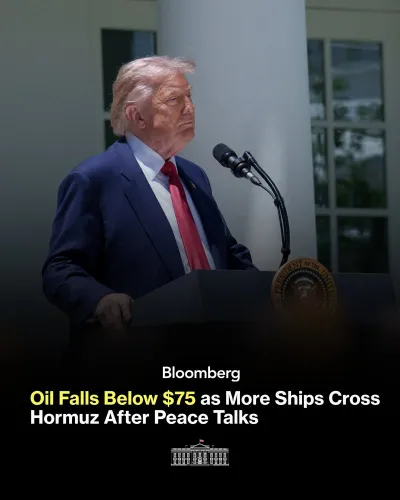
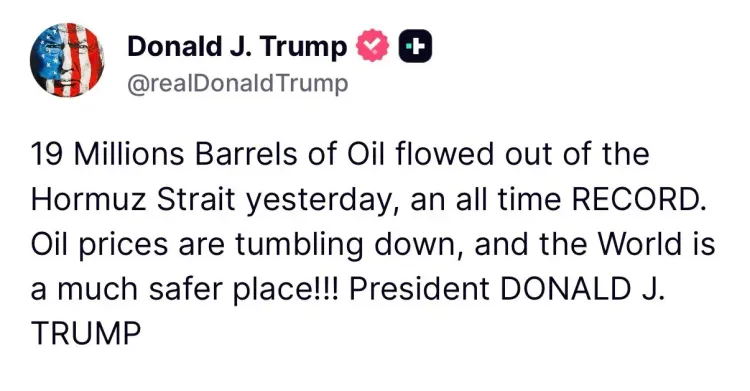
The White House posted on June 23, 2026 , declaring oil prices are 'tumbling down' and calling the world 'a much safer place.' The post links falling crude prices explicitly to a claim of improved global security conditions.
The United States has been a net energy exporter since 2019 , giving it a complex dual stake in oil price movements.
OPEC , led by Saudi Arabia , remains the primary body coordinating global crude output; its decisions will be key to whether the price decline holds.
For India , as one of the world's largest oil importers, falling prices ease current account and inflation pressures.
Upcoming EIA petroleum reports and any OPEC+ output announcements will be critical indicators of the trend's durability.
The White House, the official communications account of the Executive Office of the President of the United States, posted on X on Tuesday, June 23, 2026, declaring that oil prices are falling sharply and asserting that the world has become 'a much safer place.'
Context
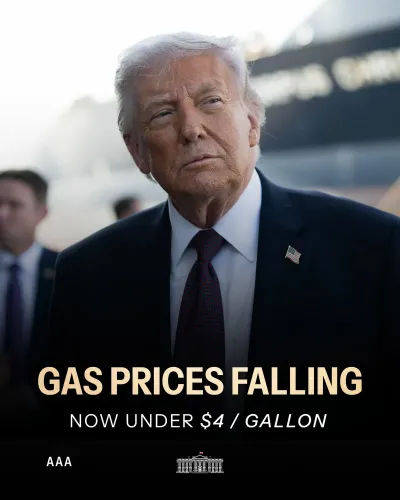
The post, accompanied by an image, stated: 'Oil prices are tumbling down, and the World is a much safer place!!' The message links declining crude prices directly to a broader claim of improved global security conditions — a framing that Washington has deployed periodically during periods of energy market softness.
Oil prices have historically served as a proxy for both physical supply conditions and geopolitical risk premia embedded in global markets. When prices fall sharply, analysts typically read it as a signal of either rising supply, weakening demand, or a reduction in conflict-related risk.
Policy Backdrop
The United States achieved net energy exporter status in 2019 following more than a decade of expanded domestic shale production, fundamentally altering the country's relationship with global oil price swings. Unlike earlier decades when high oil prices directly strained the American economy, the US now has a more complex stake — lower prices benefit consumers but can pressure domestic producers.
The Organization of the Petroleum Exporting Countries (OPEC), led in influence by Saudi Arabia, remains the primary institutional mechanism for coordinating global crude output. Decisions by OPEC+ — which includes Russia and other allied producers — have repeatedly moved benchmark prices across cycles. Any sustained price decline typically reflects either a supply increase from the group or a demand-side contraction in major consuming economies.
Administrations have periodically highlighted oil price declines as evidence of favourable market or security conditions, weaving energy affordability into broader political messaging around economic management and foreign policy outcomes.
Stakeholders and Impact
For India, the world's third-largest oil importer, falling crude prices carry direct fiscal and macroeconomic significance. Lower import costs ease pressure on the current account deficit, reduce fuel subsidy burdens, and can provide the Reserve Bank of India with additional room on inflation management.
Global oil consumers — from household fuel buyers to aviation and shipping sectors — stand to benefit from sustained price declines. Energy-producing nations and domestic US shale operators, however, face margin compression when benchmark prices fall below breakeven thresholds. The balance between these two stakeholder groups shapes the political economy of any price move.
What's Next
Market watchers will track subsequent monthly petroleum status reports from the US Energy Information Administration (EIA) for confirmation of the trend. Any coordinated output announcements from OPEC+ in coming weeks will be closely scrutinised for whether the group moves to defend price floors or allows supply to remain elevated.
The White House's framing — linking price declines to global safety — signals that the administration intends to claim political credit for energy market conditions, setting up energy affordability as a continued theme in its public communications through the rest of 2026.
Point of View
But explicitly linking price declines to global safety elevates the stakes of the framing. For India and other major importers, the message lands as broadly positive, yet the durability of any price fall hinges on OPEC+ discipline and demand conditions — factors entirely outside Washington's control. If prices reverse, the bold claim could quickly become a liability.
NationPress
21 Sept 2026
Frequently Asked Questions
Why did the White House say oil prices are falling?
The White House posted on June 23, 2026, that oil prices are 'tumbling down,' linking the decline to a claim that the world is 'a much safer place,' though no specific triggering event or price level was cited in the post.
How do falling oil prices affect India?
Falling oil prices reduce India's crude import bill, easing pressure on the current account deficit, lowering fuel costs, and giving the Reserve Bank of India more flexibility on inflation management.
What is OPEC's role in global oil prices?
OPEC, the Organization of the Petroleum Exporting Countries, coordinates production levels among major producers including Saudi Arabia to manage global supply and influence benchmark crude prices.
Is the US affected by falling oil prices?
The US has a complex stake: as a net energy exporter since 2019, lower prices benefit American consumers and businesses but can squeeze domestic shale producers whose operations depend on prices staying above breakeven levels.
What should I watch to track the oil price trend?
Key indicators include monthly petroleum status reports from the US Energy Information Administration (EIA) and any coordinated output announcements from OPEC+, which can quickly reverse or reinforce a price decline.