HP CM Office hikes Kullu Dussehra musician pay, deity honors
Synopsis
The Himachal Pradesh Chief Minister's Office has announced a 10% rise in honorarium for bajantris, a 5% increase in deity nazrana, and a ₹1,100 honor payment for the chief gur, to sustain the living traditions of International Kullu Dussehra 2026.
Key Takeaways
The HP Chief Minister's Office announced the revisions on October 28, 2026 for International Kullu Dussehra 2026 .
Traditional musicians ( bajantris ) will receive a 10% increase in their honorarium.
The ritual offering ( nazrana ) made to deities will be raised by 5% .
Each deity's chief oracle or spirit-medium ( gur ) will receive a dedicated honor payment of ₹1,100 .
The revisions are aimed at preserving the divine traditions and cultural heritage of the festival, which draws over 200 deities to Dhalpur Maidan in Kullu.
Himachal Pradesh has historically used incremental honorarium hikes to sustain hereditary cultural roles alongside positioning Kullu Dussehra as an international tourism event.
The musicians who have carried Kullu Dussehra's centuries-old soundscape on their shoulders are getting a raise — and so are the rituals that anchor one of Himachal Pradesh's most celebrated festivals. The Chief Minister's Office of Himachal Pradesh announced on Wednesday, October 28, 2026 a set of financial revisions aimed at protecting the living cultural traditions of the International Kullu Dussehra 2026.
What changes: musicians, offerings, and the chief oracle
The announcement lays out three specific steps. First, the honorarium for bajantris (traditional musicians) will be raised by 10%. Second, the nazrana — the ritual offering presented to deities during the festival — will see a 5% increase. Third, the chief gur (the principal oracle or spirit-medium) attached to each deity will receive a dedicated honor payment of ₹1,100. The CMO described the revisions as being in service of 'preserving the divine traditions and cultural heritage of Kullu Dussehra.'
Why bajantris and gurs are irreplaceable to the festival
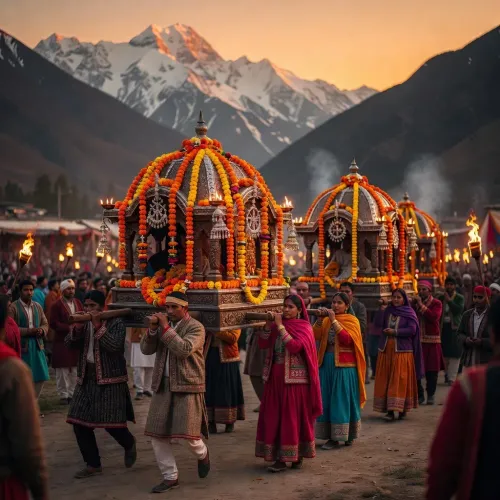
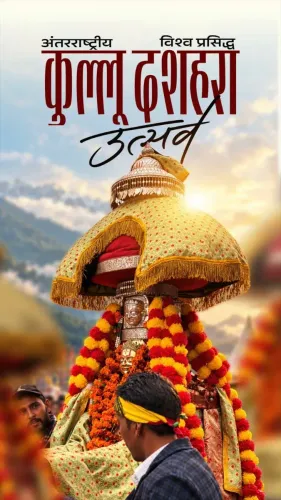
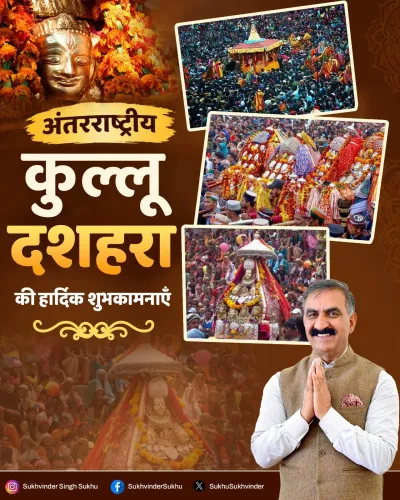
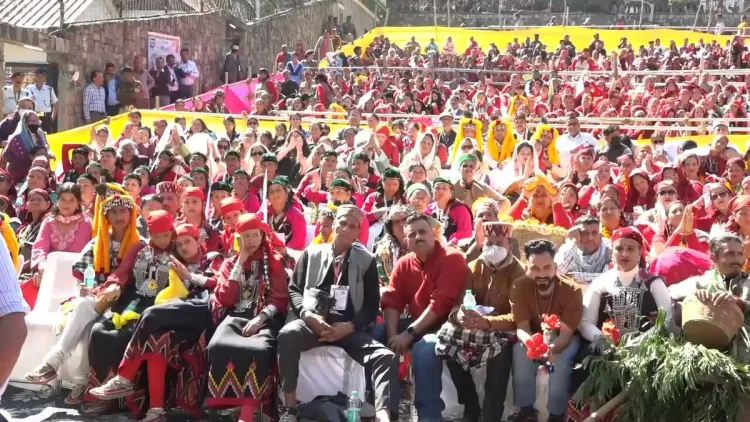
Kullu Dussehra is not a standard Dussehra. While most of India marks the day with the burning of Ravana effigies, Kullu begins its own seven-day festival the very next day — a week of processions in which over 200 local deities from across the valley are carried in elaborate palanquins to the Dhalpur Maidan in Kullu town. The bajantris — hereditary musicians who play the dhol, nagara, shehnai, and allied instruments — lead every procession. Without them, the deities, tradition holds, cannot travel. The gur is the deity's human voice, the medium through whom the divine communicates with the community during rituals; their role is ceremonially indispensable.
HP's pattern of sustaining intangible heritage through incremental support
Himachal Pradesh governments have periodically revised payments for festival participants to prevent the slow attrition of hereditary roles in the face of economic pressures. These adjustments are incremental administrative steps rather than sweeping new policy — but they matter precisely because cultural continuity is built one season at a time. The state has also positioned Kullu Dussehra as an international tourism draw, with the 'International' designation reflecting sustained promotional investment over the years.
For communities in the Kullu valley, the revisions signal that the state continues to treat these roles as worth underwriting. For the festival itself, keeping bajantris and gurs economically anchored is the simplest way to ensure the processions stay alive — and that no deity makes the journey to Dhalpur in silence.
Point of View
Signalling state commitment to communities whose hereditary roles are the beating heart of a festival that draws international attention. For the Sukhvinder Singh Sukhu-led government, aligning the announcement with the festival season maximises visibility among Kullu valley communities ahead of any electoral calendar. More broadly, the move fits Himachal Pradesh's longer pattern of using incremental financial nudges — rather than structural reforms — to keep intangible heritage alive, a strategy that buys continuity without committing to larger institutional change. The real test will be whether disbursement happens on time and whether the ₹1,100 gur payment is codified in a formal order.
NationPress
29 Oct 2026
Frequently Asked Questions
What is Kullu Dussehra and how is it different from regular Dussehra?
Kullu Dussehra is a week-long festival in Kullu, Himachal Pradesh, that begins the day after Dussehra across India. Instead of burning Ravana effigies, it centers on processions of over 200 local deities carried to Dhalpur Maidan, accompanied by hereditary musicians and community rituals.
Who are bajantris in the context of Kullu Dussehra?
Bajantris are hereditary traditional musicians who lead deity processions during Kullu Dussehra, playing instruments like the dhol, nagara, and shehnai. Their presence is considered ritually essential for the deities to 'travel' during the festival.
What is the honorarium hike announced for Kullu Dussehra 2026?
The Himachal Pradesh CMO announced a 10% increase in the honorarium for bajantris, a 5% increase in the nazrana (offering) for deities, and a flat ₹1,100 honor payment for the chief gur (oracle) of each deity.
What is a 'gur' in Kullu Dussehra traditions?
A gur is the principal oracle or spirit-medium associated with a deity in the Kullu valley tradition. The gur is believed to be the deity's human voice during ceremonies and plays an indispensable ceremonial role in the festival.
Why does Himachal Pradesh government give honorariums for Kullu Dussehra participants?
The state provides honorariums to sustain hereditary cultural roles — musicians, priests, and oracles — that might otherwise be abandoned due to economic pressures. These payments are part of a broader state effort to preserve intangible cultural heritage while promoting Kullu Dussehra as an international tourism event.