Pralhad Joshi chairs ISA 9th Assembly with 130 nations
Synopsis
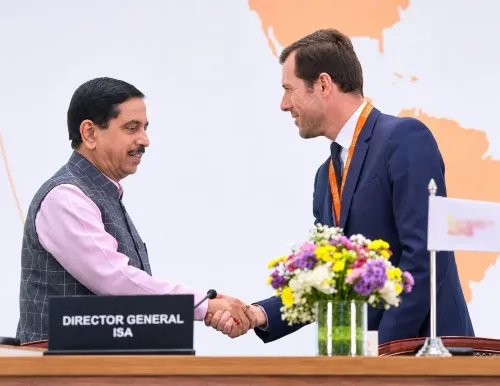
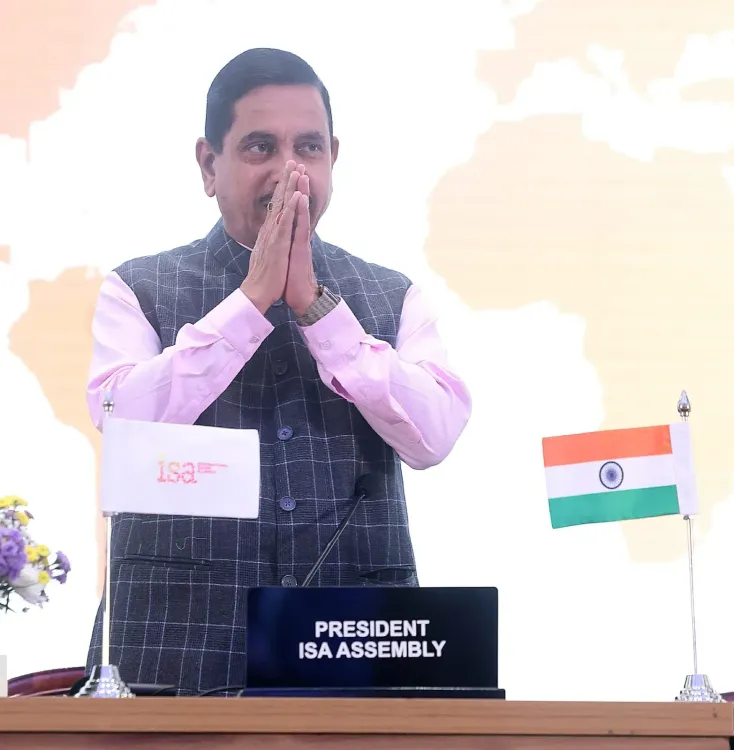
Union Minister Pralhad Joshi presided over the Ninth Assembly of the International Solar Alliance on 3 November 2026, addressing 130 member nations and calling for stronger cooperation, greater investment, and faster implementation to make clean energy a pillar of global energy security.
Key Takeaways
Pralhad Joshi chaired the inaugural session of the Ninth Assembly of the International Solar Alliance on 3 November 2026 .
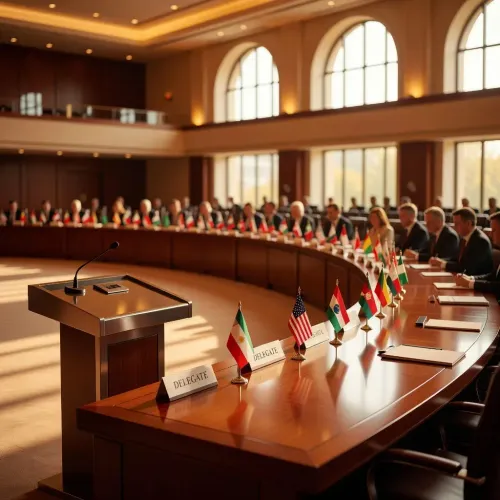
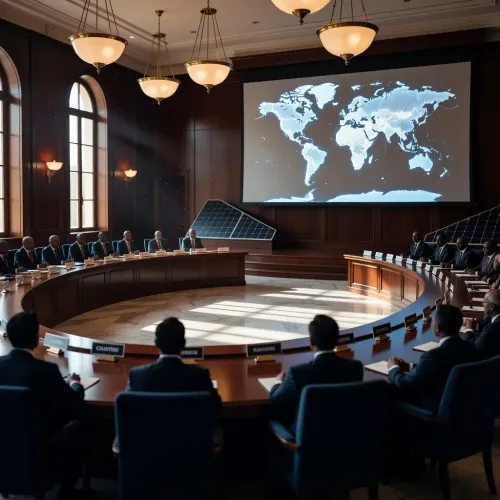
The assembly brought together representatives from 130 ISA member countries .
Joshi called for deeper international cooperation, increased investment, and faster implementation of solar projects.
The ISA was co-founded by India and France at COP21 in Paris in 2015 ; the secretariat is headquartered in Gurugram, India .
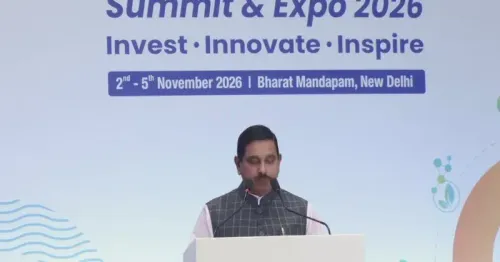
The assembly is part of the broader #BharatRESummit2026 , underlining India's role as host of a major global renewable-energy event.
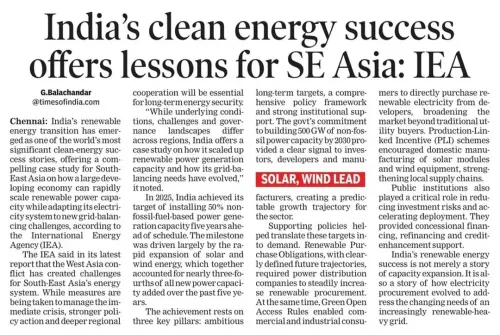
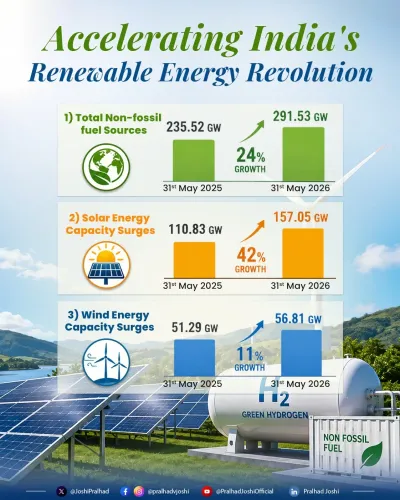
India's domestic goal of 500 GW non-fossil capacity by 2030 provides the strategic backdrop for its ISA leadership.
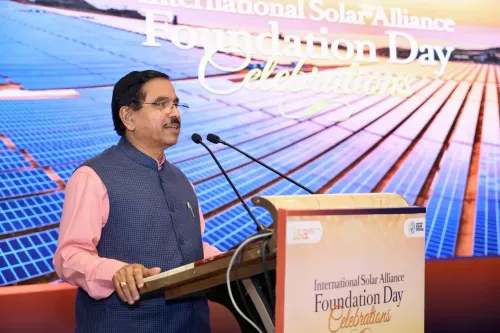
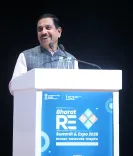
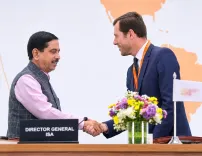
One hundred and thirty nations in one room, and a single agenda: make the sun the world's most reliable power source. Union Minister for New and Renewable Energy Pralhad Joshi presided over the inaugural session of the Ninth Assembly of the International Solar Alliance (ISA) on Tuesday, 3 November 2026, calling for stronger global cooperation, greater investment, and faster implementation to anchor clean energy as a driver of both energy security and shared prosperity.
A platform built in Paris, tested in practice
The International Solar Alliance was not born in a boardroom — it was announced by India and France at COP21 in Paris in 2015, with a founding vision of uniting sun-rich nations around a common solar agenda. The ISA Framework Agreement entered into force in December 2017, and the organisation has since grown into a treaty-based multilateral body headquartered in Gurugram, India. That India hosts the secretariat and chairs this assembly is no accident: New Delhi has consistently used the ISA as its most direct instrument of multilateral clean-energy diplomacy.
Each successive assembly has pushed harder on the same pressure points — concessional finance, technology transfer, and bankable project pipelines — particularly for member countries across Africa and Asia where solar potential is vast but capital remains scarce.
What Joshi put on the table
Addressing representatives from all 130 member countries, Joshi outlined a clear three-point thrust: deepen international cooperation, mobilise greater investment, and sharpen implementation so that solar transitions actually happen on the ground rather than in pledging documents. His remarks, delivered in English with identical messaging echoed in Kannada and Hindi in the post, framed clean energy not merely as a climate imperative but as an instrument of 'ಶಕ್ತಿ ಭದ್ರತೆ' (energy security) and 'वैश्विक समृद्धि' (global prosperity) — language that speaks directly to developing nations wary of energy poverty.
The session carries the hashtag #BharatRESummit2026, signalling that the assembly is nested within a broader renewable-energy summit India is hosting, reinforcing New Delhi's intent to shape the global clean-energy calendar.
India's 500 GW ambition and the ISA connection
The assembly's timing matters. India has staked its climate credibility on hitting 500 GW of non-fossil power capacity by 2030, with solar as the centrepiece. Every ISA commitment that actually moves finance or technology to a member country strengthens the argument that multilateral platforms can deliver — and that India can lead them. The G20 and successive COP meetings have given India a louder voice on clean-energy transitions; the ISA is where that voice is converted into institutional architecture.
The focus areas flagged by Joshi — investment mobilisation and swift implementation — are precisely the gaps that critics of multilateral climate bodies most often cite. Naming them at the inaugural session sets the tone for what the assembly will be judged on when it concludes.
The world's solar map is being redrawn assembly by assembly — and India is holding the pen.
Point of View
Chairing a 130-nation session is also a high-visibility moment for the New and Renewable Energy portfolio ahead of India's ongoing 500 GW target deadline. The emphasis on investment mobilisation and implementation speed is a direct response to the ISA's persistent credibility gap between pledges and on-ground delivery. If the assembly produces concrete financing outcomes, it strengthens India's hand at future COP and G20 negotiations; if it does not, the gap between ambition and architecture will widen.
NationPress
3 Nov 2026
Frequently Asked Questions
What is the International Solar Alliance (ISA)?
The ISA is a treaty-based international organisation co-founded by India and France at COP21 in Paris in 2015 to promote solar energy deployment. Its secretariat is based in Gurugram, India, and the Framework Agreement entered into force in December 2017.
What happened at the Ninth Assembly of the ISA?
Union Minister Pralhad Joshi presided over its inaugural session on 3 November 2026, with representatives from 130 member countries attending. He called for stronger global cooperation, greater investment, and faster implementation to advance clean energy as a foundation of energy security.
How many countries are members of the ISA?
According to Minister Joshi's post at the Ninth Assembly, the ISA has 130 member countries whose representatives attended the session.
Why is India significant to the International Solar Alliance?
India is a co-founder of the ISA, hosts its secretariat in Gurugram, and has consistently used the platform to lead multilateral clean-energy diplomacy. India's domestic target of 500 GW of non-fossil power by 2030 makes its ISA leadership both symbolic and strategic.
What is the BharatRESummit 2026?
The hashtag #BharatRESummit2026 used alongside the ISA assembly post indicates that the Ninth Assembly is part of a broader renewable-energy summit being hosted by India in 2026, though full details of the summit's programme were not specified in the post.