India Surpasses 136 Gigawatts in Solar Power Capacity, Says Pralhad Joshi
Synopsis
India's solar energy capacity has reached an impressive 136 gigawatts, showcasing the impact of policy and innovation in renewable energy. Minister Pralhad Joshi highlights the importance of the International Solar Alliance in facilitating this growth.
Key Takeaways
India's solar capacity: Nearly 136 gigawatts.
Renewable energy: Solar makes up almost 50% of total capacity.
International Solar Alliance: Key player in global clean energy transition.
PM initiatives: Programs enabling solar energy access for households and farmers.
Future expectations: Faster growth in solar capacity anticipated.
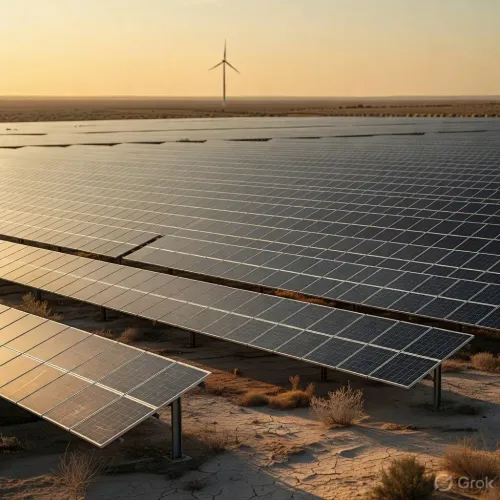
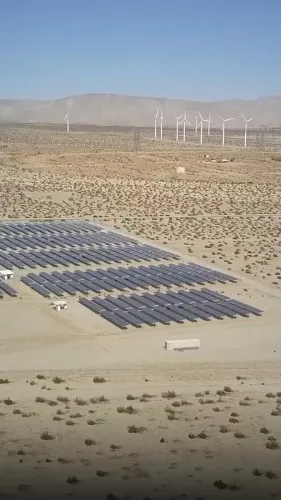
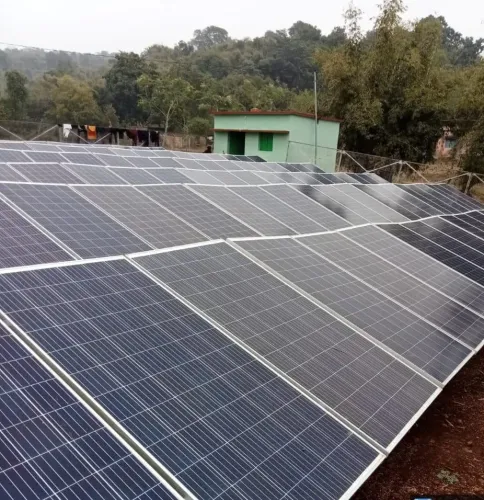
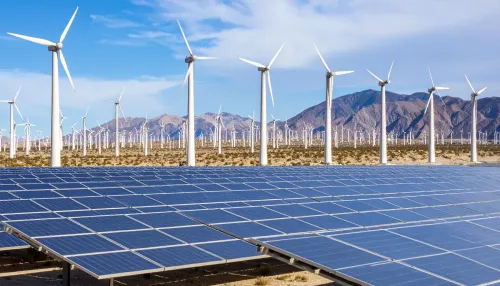
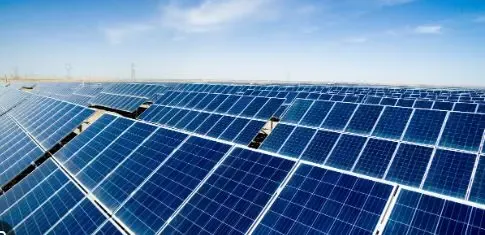
New Delhi, March 12 (NationPress) India has successfully increased its installed solar capacity to nearly 136 gigawatts, which constitutes almost 50% of the nation’s total renewable energy capacity. This remarkable growth illustrates the effects of sustained policy commitment and innovation, as stated by Pralhad Joshi, the Minister for New and Renewable Energy.
Joshi emphasized the increasing global momentum for solar energy and the pivotal role of the International Solar Alliance (ISA) in propelling the worldwide transition to clean energy, as reported by the Ministry of New and Renewable Energy on Thursday.
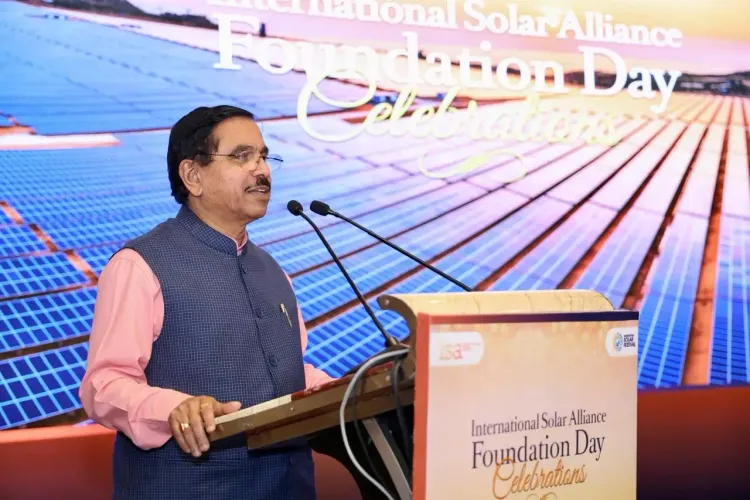
During the ISA Foundation Day celebrations, the Minister remarked that the Alliance symbolizes the strength of a shared vision and international collaboration in promoting sustainable development via solar energy.
“In the last decade, the International Solar Alliance has transformed the promise of solar energy into tangible, life-altering impacts globally. By facilitating solar deployment in critical areas, ISA has acted as a catalyst for shifting the global energy transition towards emerging and developing economies, providing clean and dependable energy to communities in dire need,” the Minister pointed out.
What started as an ambitious vision has now evolved into a coalition of over 120 countries working together to hasten the global solar transition.
The Minister also mentioned key initiatives that are directly enabling the advantages of solar energy to reach individuals. Programs like PM Surya Ghar: Muft Bijli Yojana allow millions of households to produce their own clean electricity, while PM-KUSUM empowers farmers through solar irrigation systems.
He noted that while the first 1,000 gigawatts of solar capacity took nearly twenty-five years to install, the next 1,000 gigawatts is anticipated to be achieved at a significantly faster pace, marking the beginning of a new era in the global energy transition.
The Minister stressed that the focus of the clean energy transition is increasingly shifting towards the Global South, where the rising energy demand and plentiful solar resources present an extraordinary opportunity to bypass traditional energy pathways.
In this regard, he stated that the International Solar Alliance has become a unique platform uniting governments, developmental partners, financial institutions, and the private sector to enhance solar deployment and unlock new avenues for sustainable development.
Ashish Khanna, Director General of the International Solar Alliance, remarked that “Our Members from Africa, Asia and the Pacific, Latin America and the Caribbean, and Europe are the true custodians of ISA’s progress.”
“Their trust, leadership, and ambition define every milestone we achieve. I am equally grateful to our 77 partner organizations and the growing community of young solar professionals trained at IIT Delhi, who advance this mission daily,” he added.
The Alliance was jointly initiated by India and France during the COP21 climate conference in Paris in 2015, under the leadership of Prime Minister Narendra Modi.
Point of View
This development in India's solar energy capacity signifies a major step forward in sustainable energy initiatives, demonstrating the country's commitment to a greener future. It reflects positively on both domestic and international collaborations aimed at enhancing renewable energy sources.
NationPress
14 Oct 2026
Frequently Asked Questions
What is India's current solar capacity?
India's installed solar capacity has reached nearly 136 gigawatts.
How much of India's renewable energy capacity does solar represent?
Solar energy accounts for almost half of India's total renewable energy capacity.
What role does the International Solar Alliance play?
The ISA accelerates the global transition to clean energy and supports solar deployment in emerging economies.
What initiatives support solar energy in India?
Programs like PM Surya Ghar and PM-KUSUM are helping households and farmers access clean solar energy.
When was the International Solar Alliance launched?
The ISA was launched by India and France during the COP21 climate conference in Paris in 2015.