Nepal floods: 579 dead, 1,924 missing as Kailash Mansarovar trekking fee waived
Synopsis
Nepal's monsoon floods have killed at least 579 people and left nearly 2,000 unaccounted for — and the Kailash Mansarovar pilgrimage route through Rasuwagadhi is now effectively shut. With 32 Indian nationals among those holding stranded departure permits, Kathmandu has waived trekking fees, guide requirements, and insurance mandates at the Hilsa border crossing to get pilgrims home safely.
Key Takeaways
579 people have been confirmed dead and 1,924 remain missing following Nepal's monsoon floods, as of 28 August , according to the NDRRMA .
Nepal's Department of Immigration waived the US$50 per person per week trekking fee at the Hilsa border point in Humla district for one week from 27 August .
Mandatory trekking guide accompaniment and insurance requirements for foreign pilgrims using the Hilsa route have also been suspended.
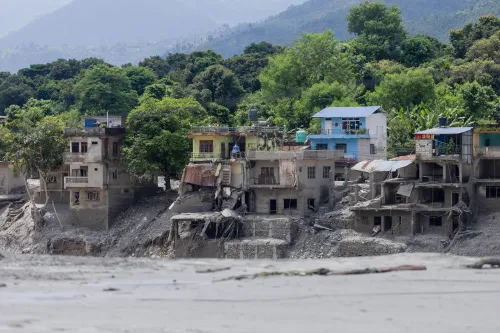
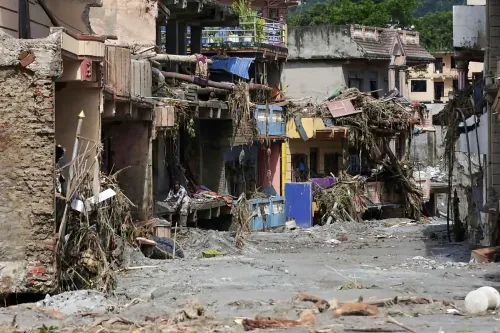
Flooding along the Bhote Koshi River destroyed roads and bridges on the Rasuwa-Timure corridor, forcing rerouting of Kailash Mansarovar pilgrims.
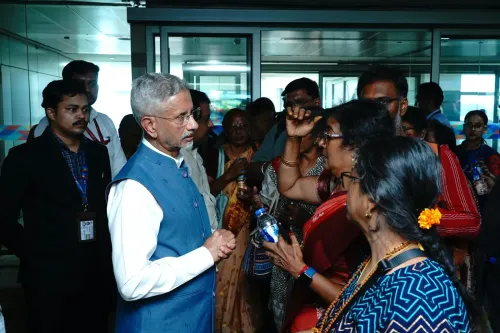
As of 26 August , 93 foreign nationals — including 32 Indian nationals — held departure permits from the Rasuwa Immigration Office.
Nepal's devastating monsoon floods have claimed at least 579 lives, with 1,924 people still unaccounted for as of Friday evening, 28 August, according to the National Disaster Risk Reduction and Management Authority (NDRRMA). In a parallel humanitarian measure, Nepal has waived trekking fees for foreign pilgrims returning from the Kailash Mansarovar pilgrimage through the western Hilsa border point in Humla district, after catastrophic flooding along the Bhote Koshi River severed key border routes.
The Scale of the Disaster
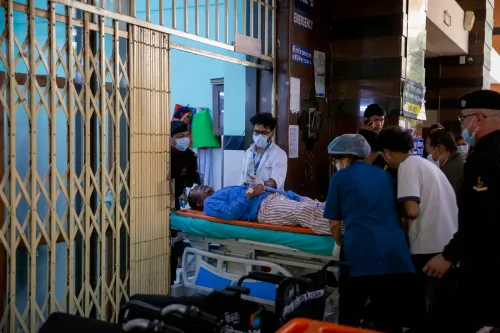
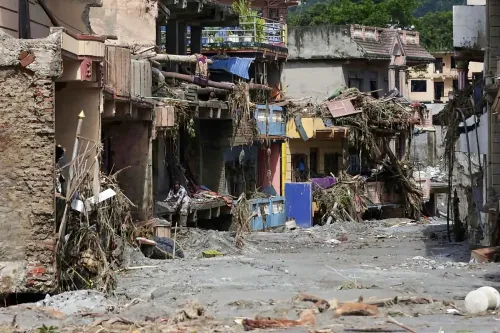
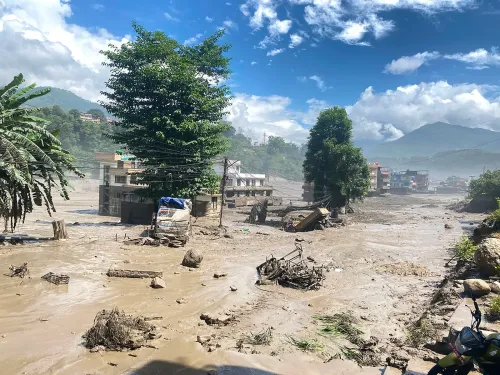
The NDRRMA confirmed that bodies of 579 people swept away by the floods had been recovered by Friday, while 1,924 individuals remained out of contact. The flooding has caused widespread destruction to roads, bridges, and critical infrastructure — particularly along the Rasuwa-Timure corridor leading to the Nepal-China border, a primary artery for pilgrims and traders alike. This comes amid an unusually severe monsoon season that has battered multiple districts across the country.
Fee Waiver and Relief Measures for Pilgrims
Nepal's Department of Immigration issued a notice on Friday, 28 August, announcing a one-week waiver of the US$50 per person per week trekking fee normally levied on foreign nationals transiting through the Hilsa border point — an area classified as a restricted zone requiring special permits. The waiver took effect on 27 August.
Authorities cited the 'prevailing adverse situation' and the imperative to prioritise humanitarian safety. Beyond the fee waiver, the department has also suspended the mandatory requirement for pilgrims to be accompanied by a licensed trekking guide, and has waived the compulsory insurance requirement for foreign nationals and guides using this route.
Who Is Affected and How Many
According to the Immigration Department, as of 26 August, a total of 93 foreign nationals had obtained departure permits from its office in Rasuwa — of whom 32 were Indian nationals. These pilgrims, who had originally departed via the Rasuwagadhi route, are now being redirected through the Hilsa crossing as an alternative exit point following the route's closure.
The Rasuwagadhi corridor had in recent years emerged as one of the principal routes for Kailash Mansarovar pilgrimage traffic. Its effective closure due to flood damage represents a significant disruption for the annual pilgrimage season, which draws thousands of devotees — predominantly from India — each year.
Infrastructure Damage and Ongoing Challenges
Flooding along the Bhote Koshi River has damaged roads, bridges, and associated infrastructure along the Rasuwa-Timure route, rendering continued operation of the corridor untenable in the near term. Authorities are working to facilitate the safe passage of stranded pilgrims through the Hilsa alternative, though the terrain in Humla district — remote and high-altitude — poses its own logistical challenges.
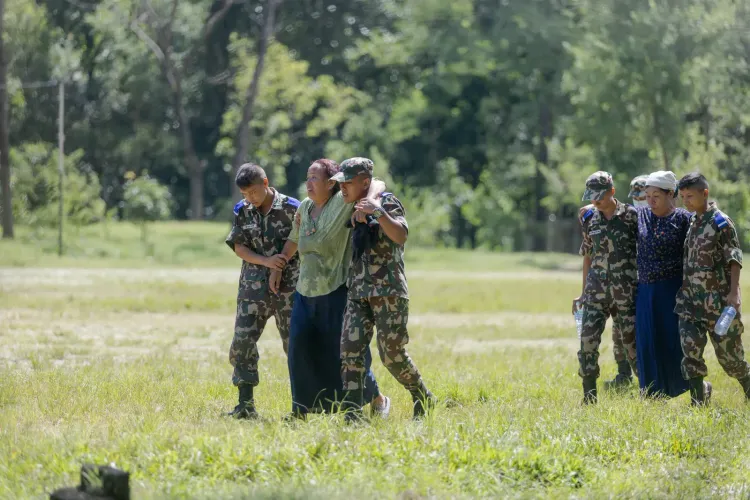
Relief and rescue operations are ongoing across flood-affected districts. The full extent of infrastructure damage and the final missing-persons count are expected to rise as teams reach more remote areas.
What Happens Next
The one-week fee and documentation waiver is set to remain in effect while the emergency situation persists, with authorities expected to reassess conditions before the window closes. The Indian government is also likely to monitor developments closely given the 32 Indian nationals among those holding Rasuwa departure permits. Restoration of the Rasuwagadhi route will depend on the pace of post-flood infrastructure repair, which could take weeks to months given the scale of damage.
Point of View
000 still missing — places this among Nepal's deadliest monsoon disasters in recent memory, yet the international coverage remains thin relative to its scale. The fee waiver for Kailash Mansarovar pilgrims is a sound humanitarian call, but it also underscores a structural vulnerability: Nepal's pilgrimage infrastructure is concentrated along a handful of river-valley corridors that are acutely exposed to glacial and monsoon flooding. As climate patterns intensify, the Rasuwagadhi closure will not be the last. New Delhi, which has diplomatic and logistical stakes in the Kailash route, has an interest in working with Kathmandu on route redundancy — not just emergency waivers.
NationPress
28 Aug 2026
Frequently Asked Questions
How many people have died in the Nepal floods?
As of Friday evening, 28 August, the National Disaster Risk Reduction and Management Authority confirmed that 579 bodies had been recovered from the floods. An additional 1,924 people remained out of contact, and the toll is expected to rise as rescue teams reach more remote areas.
Why has Nepal waived the trekking fee for Kailash Mansarovar pilgrims?
Nepal waived the US$50 per person per week trekking fee at the Hilsa border point in Humla district because flooding along the Bhote Koshi River destroyed roads and bridges on the main Rasuwa-Timure pilgrimage corridor. The waiver, effective 27 August for one week, is intended to facilitate the safe return of stranded foreign pilgrims through an alternative route.
Which route is being used as an alternative for Kailash Mansarovar pilgrims?
Pilgrims are being redirected through the Hilsa border point in Humla district in western Nepal, instead of the usual Rasuwagadhi route via Rasuwa, which has been rendered impassable by flood damage to roads and bridges along the Bhote Koshi River.
Are Indian nationals among the stranded pilgrims?
Yes. According to the Department of Immigration, as of 26 August, 93 foreign nationals had obtained departure permits from the Rasuwa office, of whom 32 were Indian nationals. These individuals are among those being facilitated through the Hilsa crossing.
What other requirements have been waived for pilgrims at Hilsa?
In addition to the trekking fee, Nepal has waived the mandatory requirement for pilgrims to be accompanied by a licensed trekking guide, and has suspended the compulsory insurance requirement for foreign nationals and guides using the Hilsa route during the emergency period.