Nepal Bhote Koshi flood kills 95, hundreds of tourists and security forces missing
Synopsis
A single morning flash flood from Tibet has left 95 dead in Nepal, with over 500 people — including 391 foreign tourists, 85 security personnel, and 60 hydropower workers — still unaccounted for along the Bhote Koshi River. The scale of the missing-persons crisis, combined with 19 bridges and 40 km of roads destroyed, signals that the true toll is far from final.
Key Takeaways
At least 95 people were killed in a flash flood along Nepal's Bhote Koshi River by Wednesday evening, 26 August .
391 foreign tourists and 93 Nepali tourists remain out of contact following the disaster.
44 Nepal Army , 28 police , and 13 Armed Police Force (APF) personnel are also unaccounted for.
60 hydropower project employees and some Rasuwagadhi Customs and Immigration Office staff are reported missing.
At least 19 motorable bridges and 40 km of paved roads have been damaged, hampering relief access.
The flood originated in the Tibetan region of China and swept through the transboundary river into Rasuwa district .
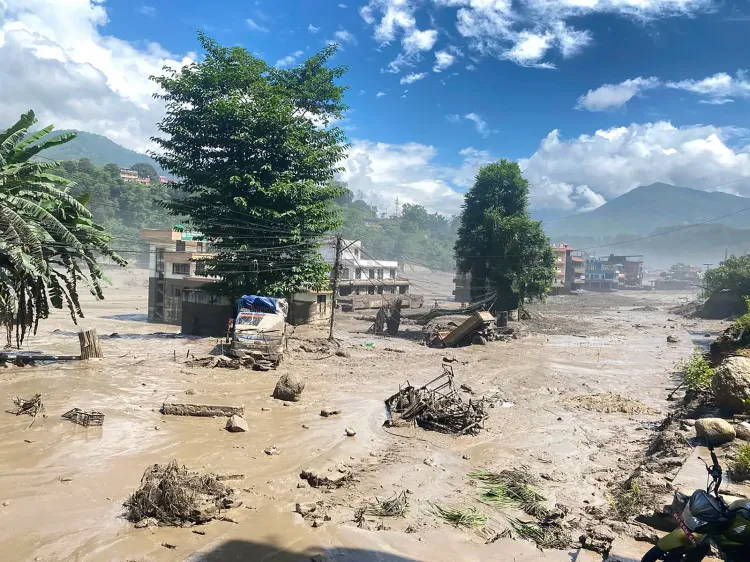
A catastrophic flash flood along Nepal's Bhote Koshi River claimed at least 95 lives by Wednesday evening, 26 August, with hundreds of security personnel, foreign tourists, and hydropower workers still unaccounted for, according to the Prime Minister's Office (PMO) in Kathmandu. Authorities had recovered bodies from flood-affected zones by 7 pm, though the identification of victims remained incomplete.
Scale of the Disaster
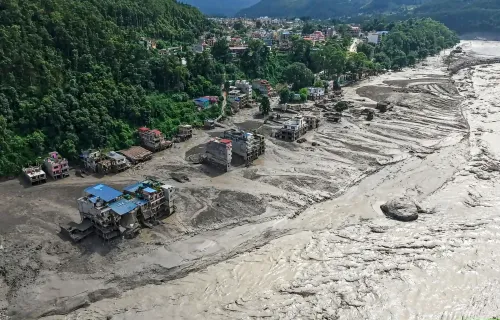
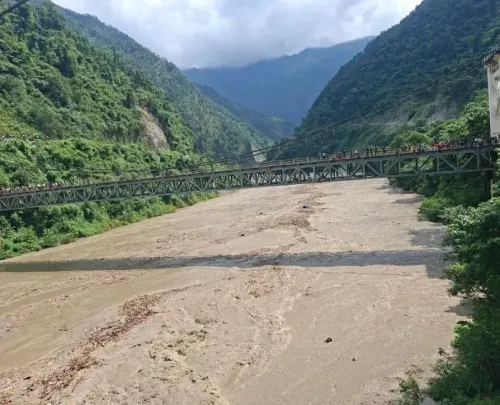
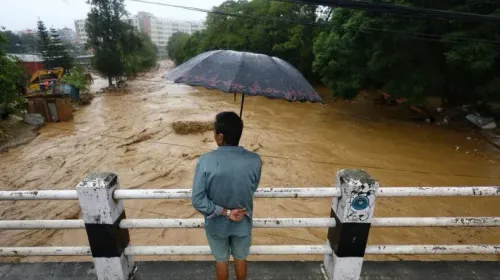
The flood originated in the Tibetan region of China and swept down the transboundary Bhote Koshi River, causing widespread destruction across Nepal's Nepal-China border region, particularly in Rasuwa district. The surge struck in the morning hours, prompting authorities to place riverbank communities on high alert by around 9 am, urging residents to stay away from the river and move to safe locations.
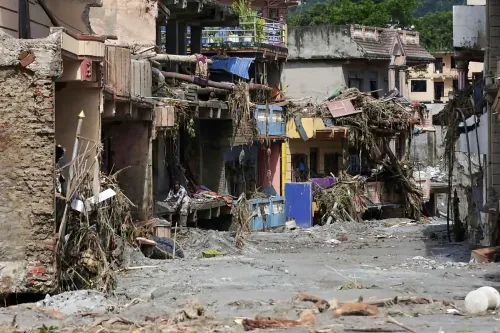
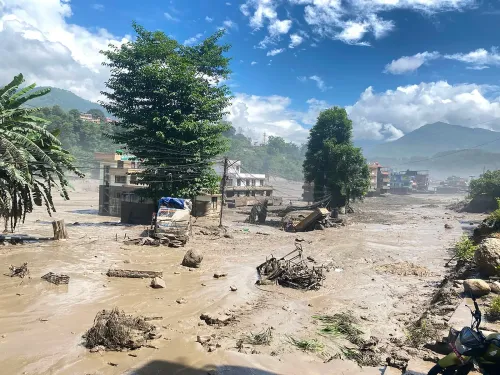
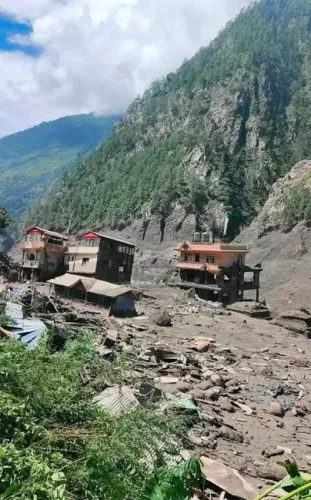
Infrastructure damage has been severe. At least 19 motorable bridges have been destroyed or damaged, and 40 km of paved roads rendered impassable, according to government figures. Several government offices, security installations, hydropower facilities, and border infrastructure in the affected zone have also been hit.
Security Personnel and Tourists Out of Contact
The scale of the missing persons crisis is alarming. According to the PMO, 44 Nepal Army personnel, 28 police personnel deployed at various posts, and 13 Armed Police Force (APF) members working in the affected areas remain out of contact. Beyond security forces, 391 foreign tourists and 93 Nepali tourists are also unaccounted for following the disaster.
Additionally, 60 employees working at hydropower projects in the affected areas have been reported missing, along with some staff from the Rasuwagadhi Customs Office and Immigration Office, the PMO confirmed.
Government Response
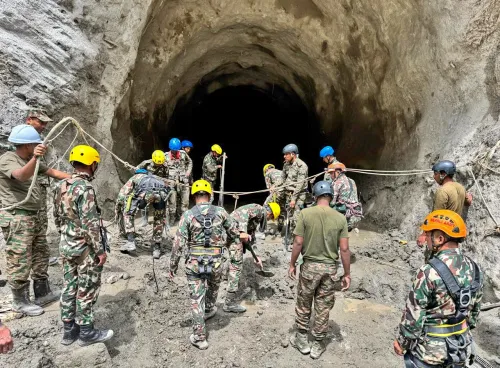
The Prime Minister's Office said the government immediately mobilised security agencies and other concerned bodies to launch search, rescue, and relief operations. Authorities are continuing to compile a full picture of both human and physical losses caused by the flood.
This comes amid Nepal's broader vulnerability to glacial lake outburst floods (GLOFs) and transboundary river flooding during the monsoon season — a recurring threat that has intensified in recent years as Himalayan glaciers recede. The Bhote Koshi corridor has witnessed destructive flood events before, underscoring the structural challenge of managing shared river systems with upstream neighbours.
What Comes Next
Rescue operations are ongoing across the affected districts, with the full death toll expected to rise as teams reach more remote areas. The identification of the 95 recovered bodies was still in progress as of Wednesday evening. The damage to road and bridge infrastructure is likely to complicate relief logistics in the days ahead, particularly in the high-altitude Rasuwa region near the Chinese border.
Point of View
And the absence of a robust bilateral flood-alert mechanism has repeatedly cost Nepali lives. The scale of missing security personnel — drawn from the Army, Police, and APF simultaneously — also raises questions about the deployment of forces in high-risk flood corridors without adequate evacuation protocols. With 391 foreign tourists unaccounted for, the disaster will test Nepal's international rescue coordination capacity at a moment when its tourism economy can ill afford the reputational damage.
NationPress
11 Oct 2026
Frequently Asked Questions
How many people have died in the Nepal Bhote Koshi flood?
At least 95 people had been confirmed dead by Wednesday evening, 26 August, according to Nepal's Prime Minister's Office. Body recovery was ongoing and the toll was expected to rise as rescue teams reached more remote areas.
How many tourists are missing after the Nepal flood?
A total of 391 foreign tourists and 93 Nepali tourists remained out of contact as of Wednesday evening, according to the PMO. The nationalities of the foreign tourists had not been officially detailed at the time of reporting.
Where did the Bhote Koshi flood originate?
The flash flood originated in the Tibetan region of China and swept downstream through the transboundary Bhote Koshi River into Nepal, causing the most severe damage in Rasuwa district near the Nepal-China border.
How many security personnel are missing in the Nepal flood?
A total of 85 security personnel are unaccounted for — 44 Nepal Army personnel, 28 police officers deployed at various posts, and 13 Armed Police Force members working in the affected areas, the PMO confirmed.
What infrastructure damage has the Nepal flood caused?
At least 19 motorable bridges have been damaged or destroyed and 40 km of paved roads rendered impassable. Several government offices, security installations, hydropower facilities, and border infrastructure in Rasuwa district have also been affected.