Nepal flash floods: Death toll rises to 162, 133 Indians missing
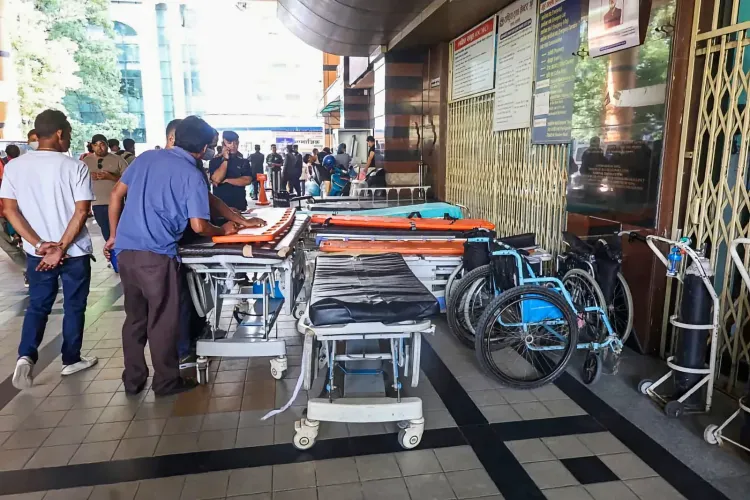
Synopsis
A transboundary flash flood originating in Tibet has killed at least 162 people across Nepal's river districts, with 133 Indians among hundreds still missing — including dozens of security personnel and nearly 400 foreign tourists. Triggered by an avalanche that may have been set off by a 4.4-magnitude earthquake, the disaster has overwhelmed multiple districts and the death toll is widely expected to climb.
Key Takeaways
162 bodies recovered as of Thursday morning from districts along the Bhote Koshi and Trishuli river systems.
133 Indian nationals are among those missing, alongside 391 foreign tourists and 93 Nepali tourists .
85 security personnel — from the Nepal Army, Nepal Police, and APF — are out of contact.
60 hydropower project employees in affected areas are also unaccounted for.
The flood was triggered by an avalanche blocking the Lhende tributary ; a 4.4-magnitude earthquake may have set off the avalanche.
Nepal Army has airlifted food, tents, and medicines; search and rescue operations are ongoing and intensifying.
Nepal's Bhote Koshi River flash floods have claimed at least 162 lives as of Thursday, 28 August 2025, with Nepal Police confirming the recovery of bodies from multiple downstream districts. The disaster, triggered by an avalanche-induced blockage in the Tibetan region, has left hundreds more out of contact — including security personnel, foreign tourists, and 133 Indian nationals.
Scale of the Disaster
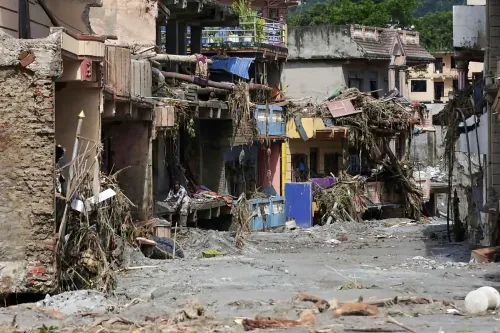
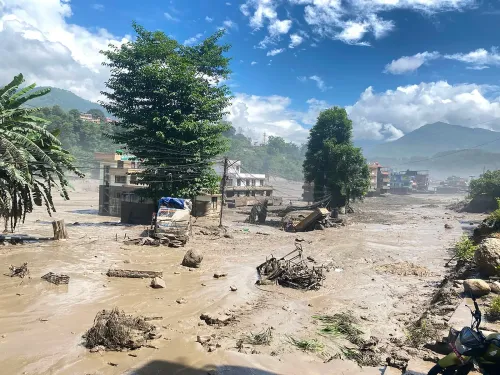
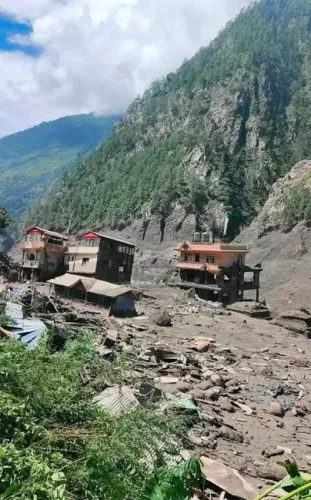
Bodies have been recovered from riverbanks across several districts along the Bhote Koshi and Trishuli river systems, including Rasuwa, Nuwakot, Dhading, Chitwan, Gorkha, Tanahu, Nawalparasi (East), and Nawalparasi West. The largest concentration of recovered remains was in Chitwan, in Nepal's southern plains. Officials have warned the death toll is likely to climb further given the scale of those still unaccounted for.
Missing: Security Forces, Tourists, and Workers
According to a statement issued by Nepal's Prime Minister's Office late Wednesday evening, 44 Nepal Army personnel, 28 Nepal Police personnel, and 13 Armed Police Force (APF) personnel deployed in affected areas remain out of contact. Additionally, 391 foreign tourists and 93 Nepali tourists are unaccounted for. Authorities have separately confirmed that 133 Indians are among those missing. A further 60 employees working at hydropower projects in the affected areas are also reported to be out of contact.
How the Flood Was Triggered
The flash flood originated after an avalanche blocked the Lhende tributary of the Bhote Koshi River in the Tibetan region, causing a sudden and catastrophic surge of water. The floodwaters first struck Timure, a settlement near Nepal's border with China at Rasuwagadhi, sweeping away much of the area before surging downstream. Nepal's Department of Mines and Geology recorded a 4.4-magnitude earthquake that may have triggered the initial avalanche, though the precise causal link is still being assessed.
Relief and Rescue Operations
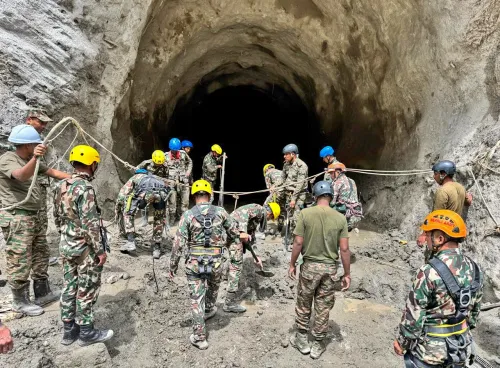
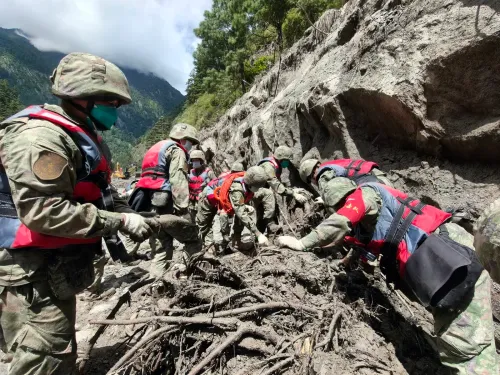
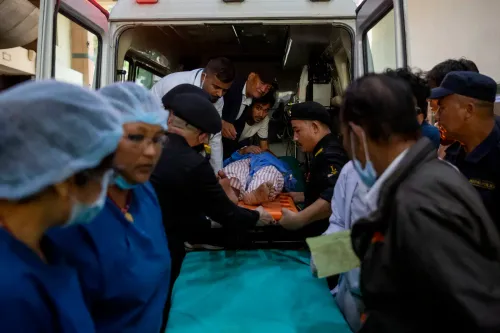
The Nepali government said on Thursday morning that it had intensified search, rescue, and relief operations across riverside and other affected zones following the disaster in Rasuwa. The Nepal Army delivered essential supplies — including food, tents, and medicines — to affected areas overnight. Security agencies and private sector entities are also participating in ongoing rescue efforts, according to the Prime Minister's Office.
What Happens Next
With hundreds still unaccounted for across multiple districts, authorities expect the confirmed death toll to rise significantly. The transboundary nature of the flood — originating in Tibet and devastating communities along Nepal's river systems — adds diplomatic and logistical complexity to relief coordination. Search operations are expected to continue for several days as floodwaters recede.
Point of View
Where glacial and seismic triggers in one country can devastate communities hundreds of kilometres downstream in another. The presence of 133 missing Indians and nearly 400 foreign tourists raises urgent questions about early-warning coordination between Nepal and its neighbours, particularly China and India, on shared river systems. Nepal's hydropower ambitions along these very rivers — with 60 project workers now missing — add a layer of economic exposure that policymakers have consistently underweighted. As climate patterns intensify glacial lake outburst events and avalanche frequency, the absence of a robust bilateral early-warning protocol is no longer an administrative gap — it is a life-safety failure.
NationPress
11 Oct 2026
Frequently Asked Questions
How many people have died in the Nepal flash floods?
At least 162 people have been confirmed dead as of Thursday morning, with bodies recovered across multiple districts along the Bhote Koshi and Trishuli river systems. Authorities expect the toll to rise as hundreds remain missing.
Are Indian nationals affected by the Nepal floods?
Yes. Officials have confirmed that 133 Indian nationals are among those missing following the flash floods. The Indian government has not yet issued a formal statement on consular assistance as of the latest reports.
What caused the Nepal Bhote Koshi flash flood?
The flood was triggered by an avalanche that blocked the Lhende tributary of the Bhote Koshi River in the Tibetan region, causing a sudden surge of water. Nepal's Department of Mines and Geology recorded a 4.4-magnitude earthquake that may have set off the avalanche.
Which districts in Nepal are most affected?
The worst-affected districts include Rasuwa , Nuwakot , Dhading , Chitwan , Gorkha , Tanahu , and both Nawalparasi East and West . The highest number of bodies was recovered in Chitwan , in Nepal's southern plains.
What relief measures has Nepal's government deployed?
The Nepali government has intensified search, rescue, and relief operations across affected areas. The Nepal Army delivered food, tents, and medicines to affected zones overnight, with security agencies and private sector entities also participating in rescue efforts.