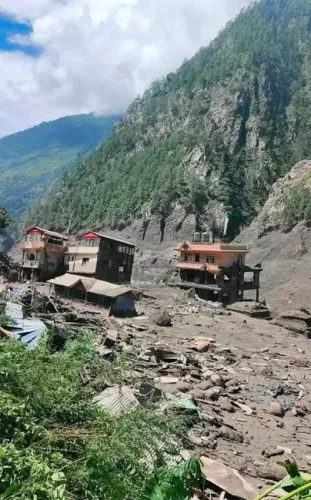
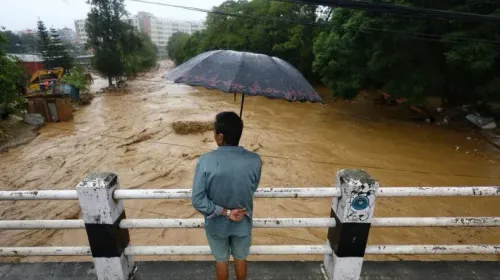
Nepal flash floods kill 157; UN chief expresses grief, pledges support
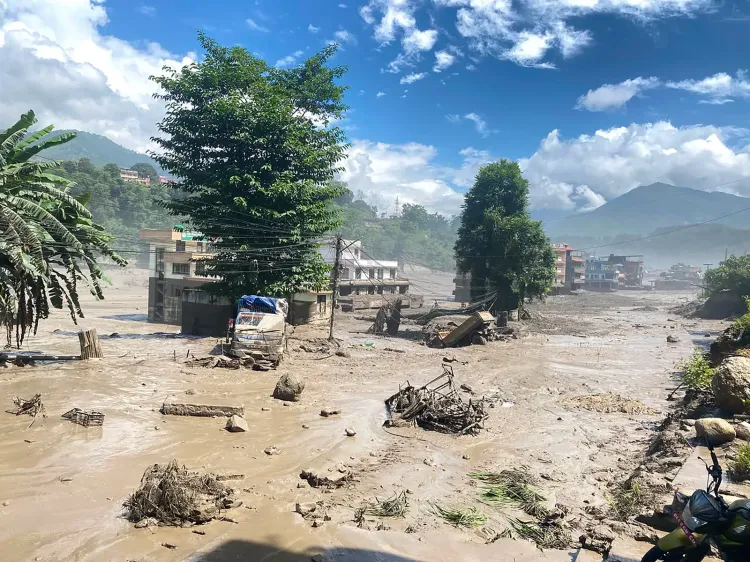
Synopsis
An avalanche-triggered flash flood with no rainfall warning struck Nepal's Bhote Koshi River valley, killing at least 157 people and leaving 391 tourists and dozens of security personnel missing. Nine hydropower projects and 19 bridges were swept away — and the UN is now on the ground as rescue teams race against time.
Key Takeaways
At least 157 people have been killed by flash floods along the Bhote Koshi River across three districts in Nepal.
391 tourists and 44 security personnel — including Nepal Army, police, and APF personnel — are missing.
The floods were triggered by an avalanche blocking the Lhende tributary near Rasuwagadhi on the Nepal-China border; no prior rainfall was reported.
Nine hydropower projects , 19 motorable bridges , and dozens of properties have been destroyed.
UN Secretary-General António Guterres expressed grief and confirmed UN teams are on the ground supporting government-led relief efforts.
United Nations Secretary-General António Guterres has expressed deep sorrow over the devastating flash floods that have killed at least 157 people across Nepal and caused widespread destruction in the region. UN Spokesman Stéphane Dujarric confirmed on 27 August that the world body is actively supporting the government-led disaster response, including needs assessment and urgent humanitarian assistance.
Scale of the Disaster
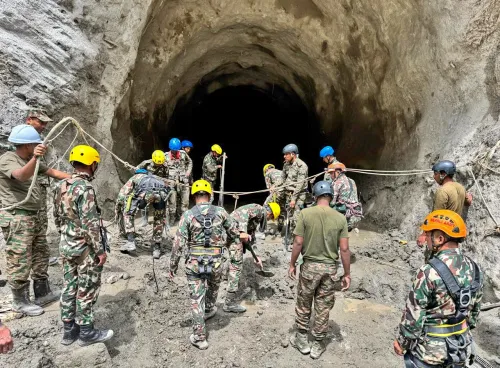
The floods, triggered along the Bhote Koshi River, have struck across three districts in Nepal, leaving hundreds missing. Among those unaccounted for are 391 tourists and 44 security personnel. The Nepali government confirmed that 44 Nepal Army personnel, 28 police personnel deployed at various posts, and 13 Armed Police Force (APF) personnel working in the affected areas remained out of contact, according to official statements.
What Triggered the Floods
According to The Kathmandu Post, the disaster was set off when an avalanche blocked the flow of the Lhende tributary of the Bhotekoshi River. The resulting surge first struck Timure, a settlement near the Nepal-China border at Rasuwagadhi. Critically, no rainfall had been reported in the area beforehand, leaving residents with no warning. People were going about their daily routines when the floodwaters hit — a detail that underscores the sudden, catastrophic nature of glacial lake outburst and avalanche-triggered floods, which are becoming increasingly common in the Himalayan region.
Infrastructure and Economic Damage
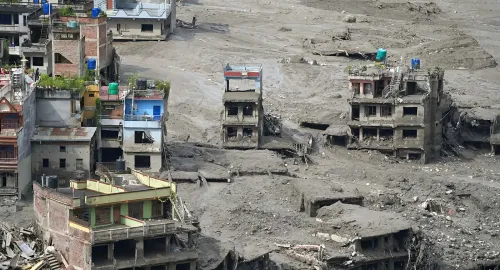
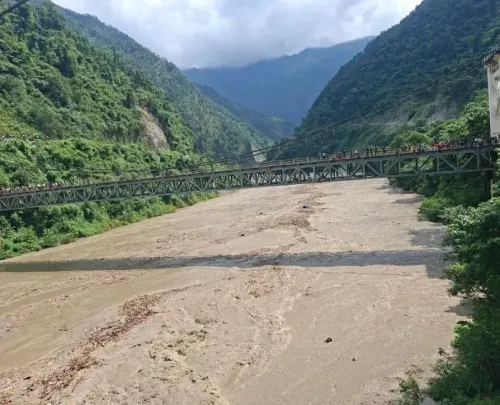
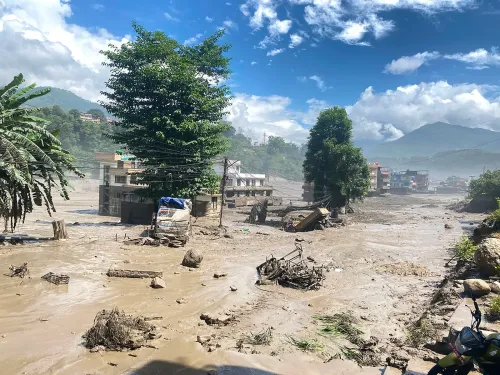
The physical toll extends well beyond the human tragedy. At least 19 motorable bridges have been swept away, along with nine hydropower projects, several commercial banks, and dozens of public and private properties. Authorities are continuing to assess the full extent of human and material losses, and the final figures are expected to rise.
UN Response and Solidarity
'The Secretary-General is saddened by the severe flooding in Nepal and China, which has claimed many lives, left people missing and caused widespread destruction,' Dujarric said. Guterres extended condolences to the families of victims and wished a swift recovery to those injured. 'The Secretary-General commends the emergency responders working to save lives and reiterates the United Nations' readiness to provide further support,' the spokesman added. UN teams and humanitarian partners are mobilising supplies and personnel on the ground to reach affected communities.
What Comes Next
With authorities still collecting data on casualties and infrastructure damage, the relief and rescue operation is expected to intensify in the coming days. The scale of missing security personnel and tourists suggests the final death toll could climb significantly. The disaster also renews attention on the urgent need for early-warning systems in high-altitude, glacially fed river basins across the Himalayas.
Point of View
Making conventional early-warning systems inadequate. The missing security personnel count — 85 across three forces — is unusually high and points to how rapidly the floodwaters moved. Nepal's nine damaged hydropower projects represent not just immediate economic loss but a structural vulnerability: the country has staked its energy future on Himalayan rivers that are growing less predictable. The UN's swift mobilisation is welcome, but the harder question is whether the international community will fund the long-term infrastructure — early-warning sensors, reinforced bridges, flood-resilient hydropower design — that could prevent the next such catastrophe.
NationPress
11 Oct 2026
Frequently Asked Questions
How many people have died in the Nepal flash floods?
At least 157 people have been killed by the flash floods along the Bhote Koshi River across three districts in Nepal, according to local media reports. Authorities are still collecting data and the toll is expected to rise.
What caused the Nepal Bhote Koshi River flash floods?
The floods were triggered by an avalanche that blocked the Lhende tributary of the Bhotekoshi River, causing a sudden surge of water that first struck Timure near the Nepal-China border at Rasuwagadhi. No rainfall had been reported in the area, so residents had no warning before the disaster struck.
How many tourists and security personnel are missing in Nepal?
391 tourists and 44 security personnel are missing, including 44 Nepal Army personnel, 28 police personnel, and 13 Armed Police Force (APF) personnel who were deployed in the affected areas and have been out of contact since the disaster.
What infrastructure damage has the Nepal flood caused?
At least 19 motorable bridges, nine hydropower projects, several commercial banks, and dozens of public and private properties have been swept away by the floods. Authorities are still assessing the full extent of the damage.
How is the UN responding to the Nepal flood disaster?
UN Secretary-General António Guterres expressed grief and condolences, and confirmed that the UN is supporting the Nepali government-led response. UN teams and humanitarian partners are mobilising supplies and personnel on the ground to assist affected communities, according to UN Spokesman Stéphane Dujarric.