CM Saini joins blood donors at Mansa Devi Temple camp
Synopsis
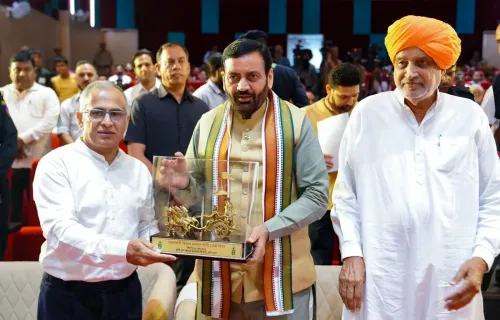
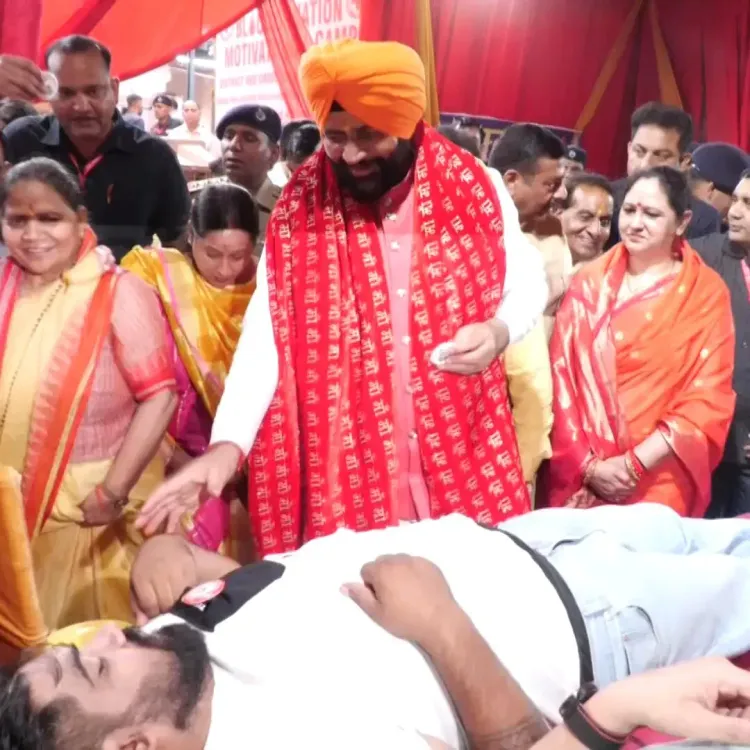
Haryana CM Nayab Singh Saini attended a blood donation awareness camp at Shri Mata Mansa Devi Temple in Panchkula on Navratri, personally thanking donors for spreading a message of service and humanity.
Key Takeaways
Haryana Chief Minister Nayab Singh Saini visited the Blood Donation Awareness Camp at Shri Mata Mansa Devi Temple, Panchkula on October 11, 2026 .
The camp was held on the auspicious occasion of Navratri , linking spiritual devotion with civic health action.
Saini expressed personal gratitude to all blood donors for their contribution to the message of service and humanity.
The Mansa Devi Temple in Panchkula is a major pilgrimage site, drawing large crowds during Navratri — amplifying the drive's reach.
Faith-linked blood donation camps are an increasingly important tool in addressing India's chronic shortfall in voluntary blood supply.
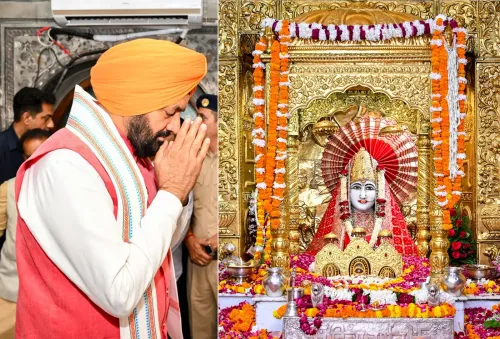
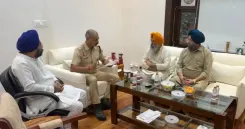
On the fifth day of Navratri, Haryana Chief Minister Nayab Singh Saini stepped into a blood donation camp at one of the state's most visited shrines — turning a religious occasion into a public-health moment. Saini met with donors at the 'Blood Donation Awareness Camp' organised at Shri Mata Mansa Devi Temple, Panchkula, on Sunday, October 11, 2026, expressing personal gratitude to every participant for giving the rarest of gifts: a chance at life for a stranger.
A shrine, a season, and a message of service
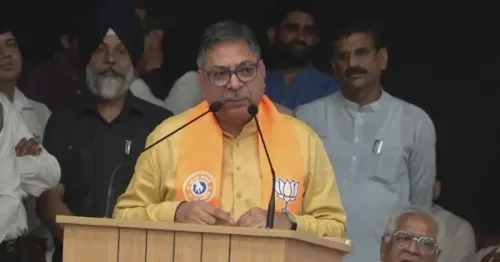
The Shri Mata Mansa Devi Temple in Panchkula is one of Haryana's most prominent pilgrimage sites, drawing tens of thousands of devotees during the nine nights of Navratri. Choosing this venue and this occasion was deliberate: the convergence of a large, spiritually motivated crowd with a civic-health drive maximises both reach and resonance. Saini framed the donors' act in the language of the festival itself — seva, samarpan aur manavta (service, dedication, and humanity) — connecting the ethos of Navratri worship to the very practical act of rolling up a sleeve.
Why blood camps at temples work
India faces a chronic shortfall in voluntary blood donation, with demand consistently outpacing supply in government hospitals. Faith-linked drives at high-footfall religious sites have emerged as one of the most effective grassroots mechanisms to close that gap, precisely because they tap into an existing ethic of communal giving. A festival like Navratri, when millions are already in a spirit of offering, is a natural multiplier. The Chief Minister's visible presence — meeting donors individually and offering thanks — signals institutional endorsement of the practice at the highest level of the state government.
Point of View
The Haryana government earns goodwill among devout voters while advancing a genuine public-health goal. For the BJP in Haryana, which is always attentive to optics in a state where community identity and governance imagery are closely intertwined, this kind of visible, ground-level engagement reinforces the 'sewa' (service) narrative that has been central to the party's brand-building. The dual-language post — Hindi and English — also signals a deliberate effort to speak simultaneously to a local base and a broader national audience.
NationPress
11 Oct 2026
Frequently Asked Questions
Where was the blood donation camp attended by CM Nayab Singh Saini held?
The camp was held at Shri Mata Mansa Devi Temple in Panchkula , Haryana, on October 11, 2026, during the Navratri festival.
What is the Shri Mata Mansa Devi Temple known for?
Shri Mata Mansa Devi Temple in Panchkula is one of Haryana's most prominent pilgrimage sites, attracting large numbers of devotees especially during festivals like Navratri.
Why are blood donation camps held during Navratri?
Navratri brings large crowds of devotees already in a spirit of communal giving, making it an effective occasion to encourage voluntary blood donation and bridge India's chronic shortfall in blood supply.
What did CM Saini say at the blood donation camp?
Saini expressed gratitude to all donors for spreading a message of 'service, dedication, and humanity' ( seva, samarpan aur manavta ), calling it a noble initiative aligned with the spirit of Navratri.
Is Nayab Singh Saini the current Chief Minister of Haryana?
Yes, Nayab Singh Saini is the Chief Minister of Haryana and a senior BJP leader.