Nepal floods death toll hits 1,344; search on for 4,886 missing
Synopsis
Nepal's flash floods have killed at least 1,344 people with nearly 5,000 still missing — including hundreds of foreigners trapped in hydropower tunnels. The scale of the disaster, spanning two major river corridors and 11 power projects, makes this one of the deadliest flood events in Nepal's recent history, and the DNA identification effort alone signals the magnitude of what lies ahead.
Key Takeaways
Nepal Police confirmed 1,344 deaths from flash floods as of 8 am, Saturday, 5 September .
4,886 people — including 606 foreign nationals — remain out of contact across the Bhote Koshi and Trishuli river corridors.
8,962 people have been rescued so far, including 1,552 foreigners .
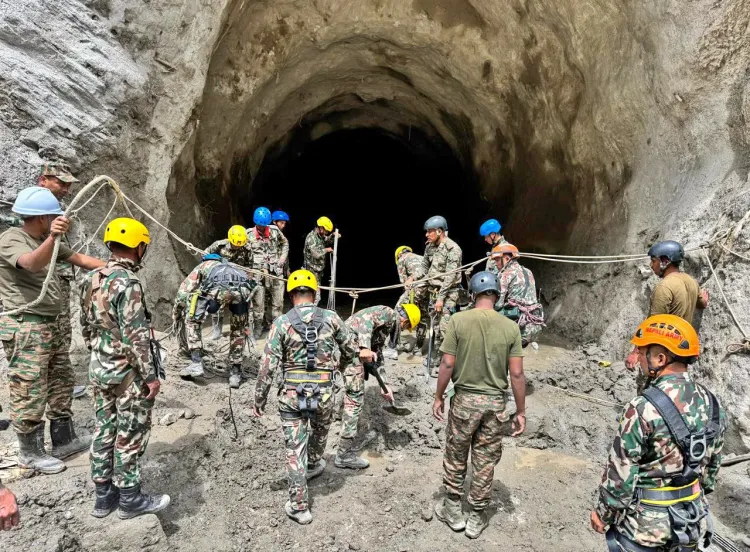
Many of the missing are believed trapped inside tunnels of 11 hydropower projects ; two survivors were pulled alive from the Upper Trishuli 3A tunnel on Friday.
DNA samples collected from 2,272 individuals (1,260 deceased, 1,012 relatives) to aid identification.
7,912 Nepal Police personnel deployed; 65 affected by the disaster, 25 still out of contact.
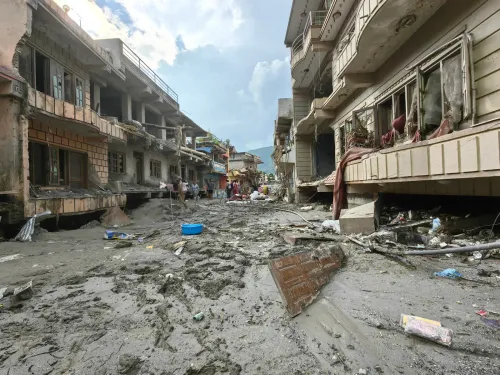
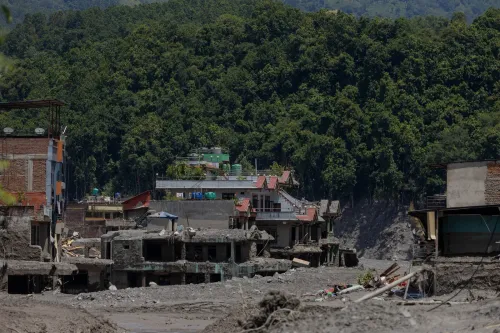
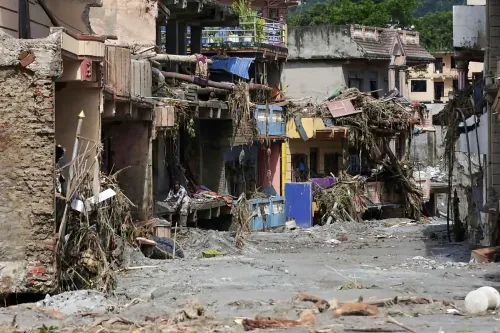
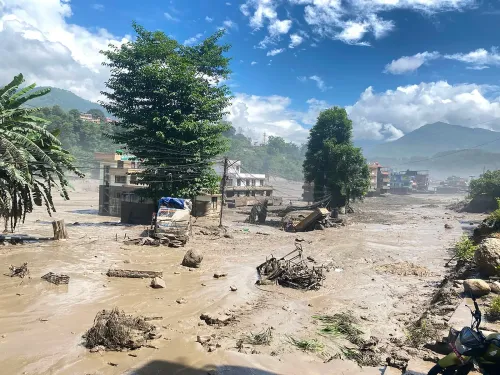
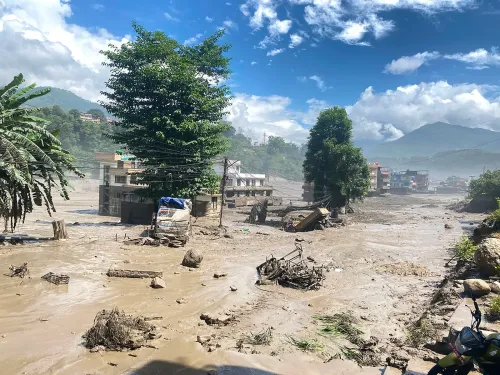
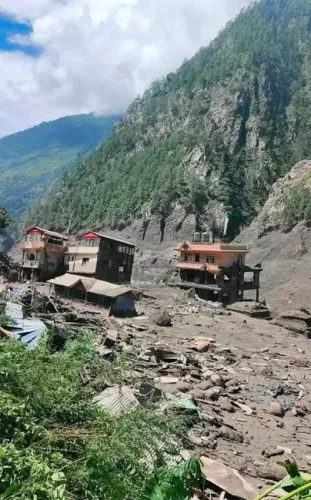
Nepal's catastrophic flash floods have claimed at least 1,344 lives, with search operations intensifying across the Bhote Koshi and Trishuli river corridors in central Nepal as of Saturday, 5 September. According to the latest figures released by Nepal Police, all recovered bodies were swept away by the Bhote Koshi River, and the toll is expected to climb further.
Scale of the Disaster
As many as 4,886 people — including 606 foreign nationals — remain out of contact following the floods, which caused catastrophic damage to lives and property across the two river corridors. A significant number of those unaccounted for are believed to be trapped inside tunnels of 11 hydropower projects along the Bhote Koshi and Trishuli river systems.
In a rare sign of hope on Friday, two people were rescued alive from the tunnel of the 60MW Upper Trishuli 3A hydropower project in Rasuwa district. So far, authorities report that 8,962 people have been rescued in total, among them 1,552 foreign nationals.
Search, Rescue and Relief Operations
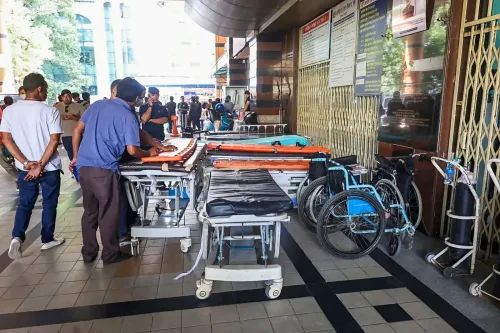
Nepal Police has deployed 7,912 personnel across flood-affected zones for search, rescue, and relief work. Security agencies have ramped up operations in the worst-hit districts, though the scale of destruction has slowed progress. Notably, 65 police personnel have themselves been affected by the disaster, while 25 remain out of contact.
The Nepali government confirmed that body recovery, identification, and relief distribution are being conducted simultaneously. DNA samples have been collected from 1,260 deceased individuals and 1,012 relatives of the deceased, bringing the total number of samples to 2,272, according to police data.
Infrastructure Damage and International Support
The floods have caused extensive damage to physical infrastructure and private property along both river systems. The 11 hydropower projects in the affected corridors have sustained significant damage, raising concerns about energy supply and long-term reconstruction costs.
Nepal has formally sought international support for the restoration process, to be activated once the immediate phases of rescue and relief conclude. The government has not yet released an official estimate of the total economic damage.
What Comes Next
With thousands still unaccounted for and DNA identification efforts underway, authorities face a prolonged and complex recovery operation. The fate of those believed trapped inside hydropower tunnels remains the most urgent humanitarian concern. How quickly international aid materialises will be critical to Nepal's ability to manage both the ongoing rescue phase and the eventual rebuilding effort.
Point of View
000 people unaccounted for — including hundreds of foreigners — and thousands potentially entombed in hydropower tunnels, the true casualty count could be substantially higher. The involvement of 11 hydropower projects also raises uncomfortable questions about construction standards and emergency preparedness in high-risk river corridors. Nepal's appeal for international support is well-founded, but the speed and conditionality of that aid will determine whether reconstruction is orderly or chaotic. This disaster is also a stress test for Nepal's disaster-response architecture, which has historically struggled to scale at this magnitude.
NationPress
20 Oct 2026
Frequently Asked Questions
What is the current death toll from the Nepal flash floods?
As of 8 am on Saturday, 5 September , Nepal Police confirmed that 1,344 bodies had been recovered following flash floods along the Bhote Koshi and Trishuli river corridors. The toll is expected to rise as thousands remain missing.
How many people are still missing after the Nepal floods?
A total of 4,886 people remain out of contact, including 606 foreign nationals . Many are believed to be trapped inside tunnels of 11 hydropower projects along the two affected river corridors.
Have any survivors been found in the hydropower tunnels?
Yes. On Friday , two people were rescued alive from the tunnel of the 60MW Upper Trishuli 3A hydropower project in Rasuwa district . Rescue operations at other tunnels are ongoing.
What rescue efforts are underway in Nepal?
Nepal Police has deployed 7,912 personnel for search, rescue, and relief operations. A total of 8,962 people have been rescued so far, including 1,552 foreigners . DNA identification efforts are also underway, with 2,272 samples collected.
Has Nepal sought international help for flood relief?
Yes. The Nepali government has formally requested international support for the restoration and rebuilding phase, to begin once immediate rescue and relief operations are concluded. No official damage estimate has been released yet.