PoK crackdown: Families still await answers months after Pakistani security sweep
Synopsis
Months after Pakistani security forces cracked down on PoK protesters, families are still waiting for answers — and in at least two documented cases, authorities allegedly withheld the bodies of civilians killed unless families signed statements labelling them terrorists. A 47-page JKHRO report is now demanding CCTV footage, post-mortem records and operational orders from the Pakistani state.
Key Takeaways
Pakistani security forces launched a crackdown on PoK protesters after the JAAC called for an election boycott from 27 July to 10 August .
The JAAC was proscribed under anti-terrorism laws ; several leaders were arrested.
Fahad Barkat , 26, was allegedly shot at a military hospital in Rawalakot on 7 June ; his family spent over two months unaware of his fate.
Authorities allegedly withheld Barkat's body and that of Jabir Mumtaz unless families signed statements labelling the deceased as terrorists, according to the JKHRO .
The JAAC has reported more than 100 deaths since 5 June ; residents claim the actual toll is higher.
The JKHRO has demanded written responses, casualty records, and operational orders from Pakistani authorities to establish accountability.
Months after Pakistani security forces launched a sweeping crackdown on protesters in Pakistan-occupied Kashmir (PoK), families of victims continue to seek answers amid mounting allegations of human rights violations, arbitrary detentions, and extrajudicial killings, according to a detailed report by the Jammu Kashmir Human Rights Observatory (JKHRO), a UK-registered human rights organisation, shared with The Independent.
How the Unrest Began
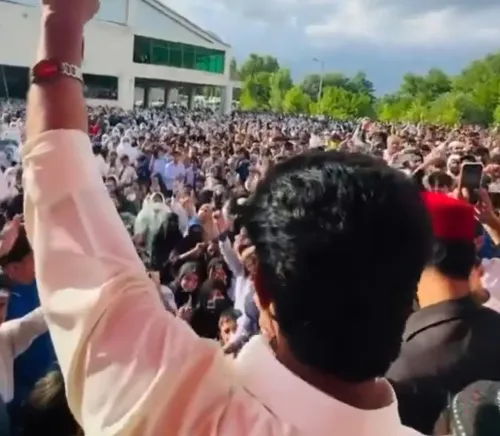
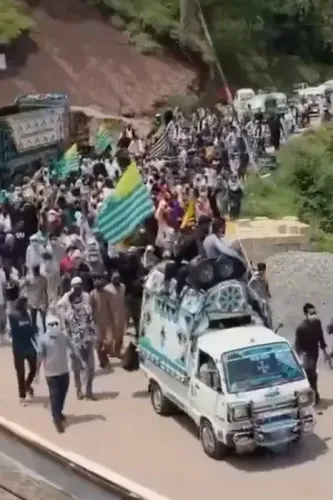
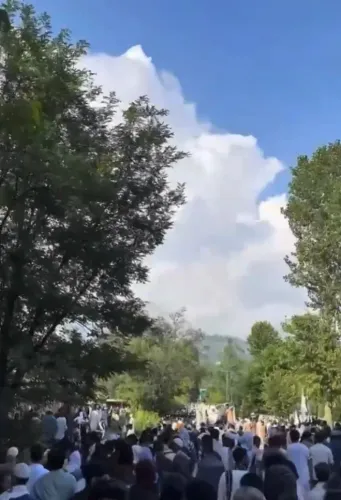
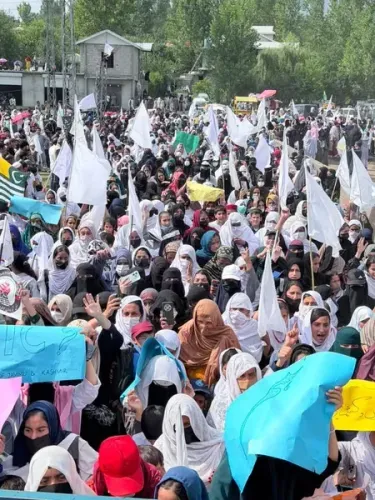
The turmoil in PoK was initially triggered by rising electricity prices and a growing cost-of-living crisis, but quickly evolved into a broader challenge to the region's constitutional and political framework. The Joint Awami Action Committee (JAAC), a coalition of grassroots activists, called for a boycott of elections held in phases from 27 July to 10 August, contending that the existing system failed to adequately represent the aspirations of local residents.
In response, the Pakistani government reportedly proscribed the JAAC under stringent anti-terrorism laws, arrested several of its leaders, and launched a security operation to suppress the movement. The operation was accompanied by widespread allegations of arbitrary detention and extrajudicial killings, according to the report.
The Case of Fahad Barkat
Fahad Barkat, a 26-year-old resident of PoK, went to a military hospital in Rawalakot on 7 June to donate blood and never returned. His last message to his sister was sent at 11.31 p.m. that night. According to his sister's account, as documented by the JKHRO in a 47-page report, Barkat was shot in the neck while entering the hospital gate shortly before 1 a.m.
His family reportedly spent more than two months believing he had been detained by police and hoping he would eventually be released. Pakistani newspaper Dawn subsequently identified Barkat among civilians killed during clashes in Rawalakot in June. Further allegations have emerged that the authorities withheld his body unless the family signed a statement characterising him as a terrorist killed in an encounter — a claim the JKHRO has publicly documented.
The human rights organisation has demanded the release of CCTV footage, hospital blood donor records, post-mortem documentation, and burial records to establish accountability. It has also invited the authorities to formally respond to the allegations raised in its report.
Other Cases: Nawaz Mir and Jabir Mumtaz
Shoukat Nawaz Mir was arrested on 30 June from Dhirkot and, as of the time of reporting, his family had reportedly not received any clarity about his whereabouts or fate after more than three months.
Jabir Mumtaz was allegedly killed by security personnel on 5 September after spending a fortnight in detention, according to the report. His family claimed that the authorities similarly made release of his body conditional on their signing a statement identifying him as a terrorist. The family reportedly refused, following which the authorities allegedly conducted the burial themselves.
Scale of the Crackdown and Calls for Accountability
The JAAC has publicly reported more than 100 deaths since 5 June, though local residents maintain that the actual toll is significantly higher, according to the report. The JKHRO has formally called on the Pakistani authorities to provide written responses, casualty and detention records, and operational orders to help establish the facts behind the alleged abuses.
These cases have amplified calls from human rights groups for transparent, credible investigations and accountability over the treatment of civilians during the PoK crackdown. Whether Pakistani authorities will respond to the JKHRO's documented demands remains to be seen.
Point of View
Terrorist labels coerced from grieving families, months of silence on detentions — follows a playbook seen in other conflict zones where states use anti-terrorism frameworks to suppress civilian dissent. What distinguishes PoK is that the unrest began with bread-and-butter grievances over electricity prices, not separatist ideology, making the scale of the alleged response harder to justify on security grounds. The JAAC's proscription under anti-terrorism laws is a significant legal escalation that could permanently criminalise grassroots organising in the region. Until Pakistani authorities respond formally to the JKHRO's 47-page documentation — casualty records, CCTV footage, burial orders — accountability will remain a demand rather than a fact.
NationPress
11 Oct 2026
Frequently Asked Questions
What triggered the crackdown in Pakistan-occupied Kashmir?
The unrest in PoK was initially sparked by rising electricity prices and a growing cost-of-living crisis, which later broadened into a wider political challenge. The JAAC, a coalition of grassroots activists, called for a boycott of elections held between 27 July and 10 August, prompting Pakistani authorities to proscribe the group under anti-terrorism laws and launch a security operation.
Who is Fahad Barkat and what happened to him?
Fahad Barkat was a 26-year-old PoK resident who went to a military hospital in Rawalakot on 7 June to donate blood and never returned. According to his family's account documented by the JKHRO, he was shot in the neck near the hospital gate before 1 a.m. His family reportedly spent over two months not knowing he had been killed.
What is the JKHRO and what has it demanded?
The Jammu Kashmir Human Rights Observatory (JKHRO) is a UK-registered human rights organisation that has published a 47-page report on the PoK crackdown. It has demanded that Pakistani authorities provide written responses, casualty and detention records, operational orders, CCTV footage, post-mortem documentation, and burial records to establish accountability for civilian deaths.
How many deaths have been reported since the crackdown began?
The JAAC has publicly reported more than 100 deaths since 5 June, though local residents maintain the actual death toll is significantly higher, according to the report. Pakistani authorities have not publicly confirmed a death toll.
What allegations have been made about how bodies were handled?
According to the JKHRO, authorities allegedly withheld the bodies of at least two civilians — Fahad Barkat and Jabir Mumtaz — unless their families signed statements characterising them as terrorists killed in encounters. In Mumtaz's case, his family refused to sign, and the authorities allegedly carried out the burial themselves.