Nepal flash floods death toll hits 616; rescue ops intensify across 8 districts
Synopsis
Nepal's flash flood death toll has surged to 616 across eight districts, with the disaster traced to a transboundary flood originating in Tibet. The government's initial refusal of international help — reversed within 24 hours — and India's three-relief-flight response underscore the scale of a crisis still far from over.
Key Takeaways
616 people have died in Nepal's flash floods as of 6 am, Saturday, 29 August , with hundreds still missing.
Chitwan recorded the highest toll at 233 deaths , followed by Nawalparasi East at 158 .
The flood originated in the Tibetan region of China and swept through the transboundary Bhote Koshi River into Nepal.
Nepal reversed its initial refusal of international help within 24 hours , agreeing to limited foreign rescue expertise.
India has dispatched three relief flights , including 37.5 tonnes of HADR material and an 11-member medical and tunnel rescue team .
Indian nationals account for the highest number of missing foreign persons, per the Nepal Tourism Board .
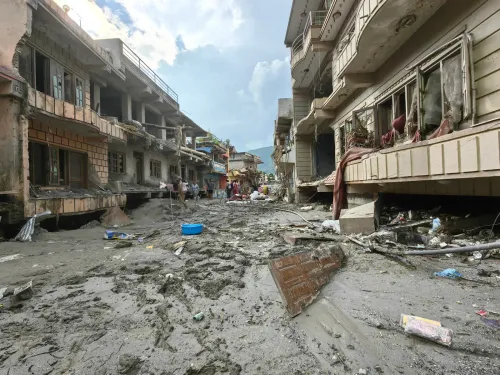
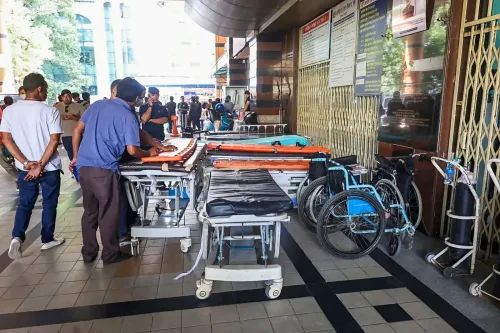
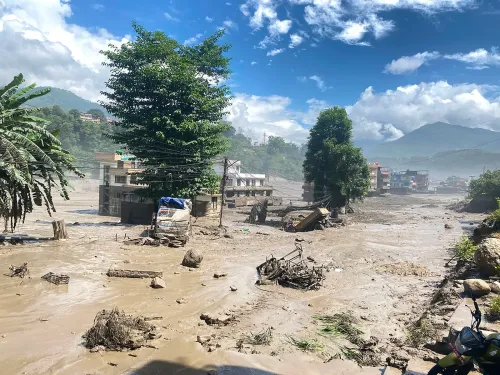
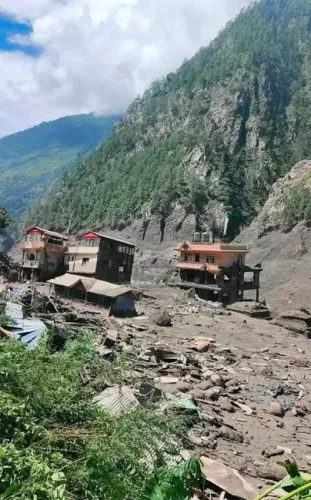
The death toll from Nepal's flash floods climbed to 616 by Saturday morning, 29 August, with hundreds still missing across multiple districts, according to local media reports citing officials. Search and rescue operations are ongoing across the affected Himalayan nation, with authorities warning the toll is expected to rise further.
District-wise Death Count
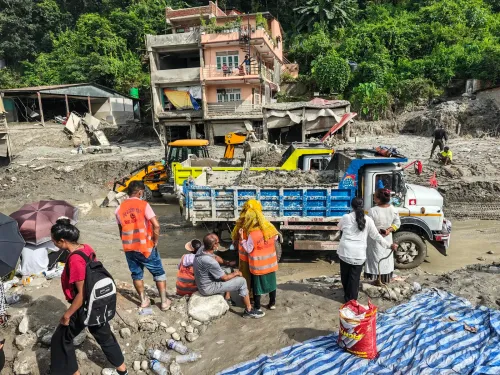
According to figures cited by The Kathmandu Post, police had recovered 233 bodies in Chitwan, 158 in Nawalparasi East, 48 in Gorkha, 47 in Nawalparasi West, 45 in Dhading, 41 in Nuwakot, 31 in Tanahun, and 13 in Rasuwa as of 6 am on Saturday. Bodies continue to be recovered from riverbanks along the Bhote Koshi and Trishuli river systems in downstream districts.
Origin of the Disaster
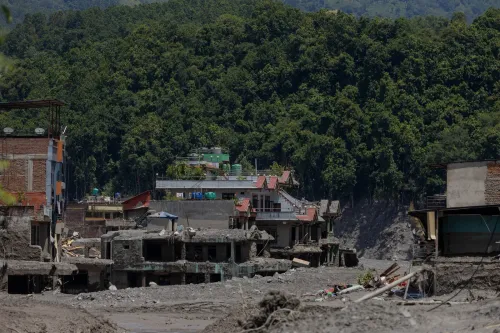
The catastrophic flash flood originated in the Tibetan region of China on Wednesday, sweeping through the transboundary Bhote Koshi River into Nepal's Rasuwa district before cascading downstream. The scale of destruction across multiple river systems has made recovery efforts exceptionally challenging, with roads blocked by flood debris and landslides hampering access to affected zones.
Rescue Operations and Government Response
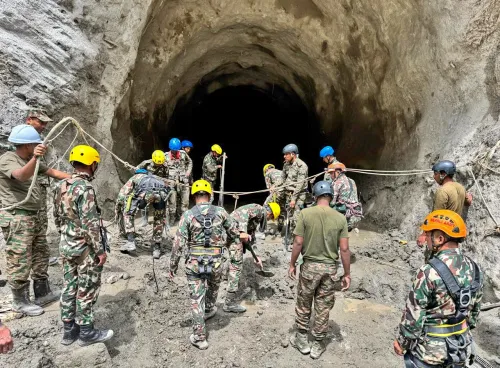
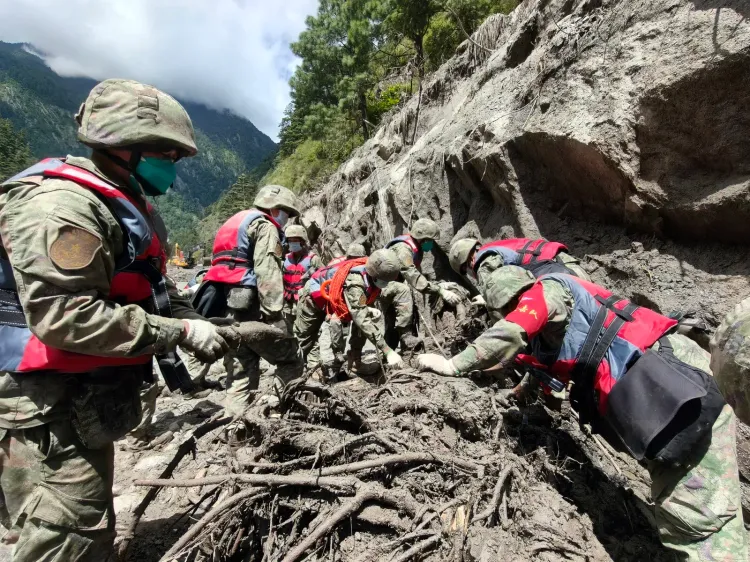
Police are coordinating with residents and multiple agencies to locate missing persons and evacuate those stranded in high-risk zones. Rescue teams are simultaneously working to clear blocked roads to restore access and facilitate relief distribution. Notably, the Nepalese government initially declined international assistance, asserting that domestic rescuers were capable of managing operations — a position that reversed within a day, as the administration agreed to accept limited foreign expertise for rescue efforts.
India's Relief Efforts
India has emerged as a key relief partner. A third flight carrying an 11-member medical and tunnel rescue team reached Nepal from India on Friday, along with 10 tonnes of humanitarian assistance including portable generator sets, dignity kits, food packets, and water purification tablets. On Thursday, India had already handed over a second consignment of 37.5 tonnes of Humanitarian Assistance and Disaster Relief (HADR) material, medicines, and food packets to Nepali authorities. According to the Nepal Tourism Board, Indian nationals account for the highest number of missing persons among foreign visitors.
What Comes Next
Officials have cautioned that the confirmed death toll of 616 is likely to increase as rescue teams reach more remote and inaccessible areas. The scale of the disaster — spanning at least eight districts — and the transboundary nature of the flood's origin raise questions about early-warning coordination between Nepal and China. International agencies are expected to assess the need for extended humanitarian support in the coming days.
Point of View
Not just depth. What demands scrutiny is Nepal's initial rejection of international help: the reversal within 24 hours suggests the scale overwhelmed domestic capacity faster than officials anticipated. The transboundary origin of the flood in Tibet also raises a structural question about Nepal-China early-warning protocols along the Bhote Koshi corridor — a gap that has cost lives before and remains unresolved. India's rapid three-flight response, meanwhile, reflects both humanitarian intent and strategic proximity; the high count of missing Indian nationals adds a consular dimension that New Delhi will be managing quietly alongside the relief effort.
NationPress
14 Oct 2026
Frequently Asked Questions
What is the current death toll from Nepal's flash floods?
The death toll from Nepal's flash floods stood at 616 as of the morning of 29 August, according to local media reports citing police figures. Officials have warned the number is expected to rise as search and rescue operations continue in remote areas.
Which districts in Nepal have been worst affected by the floods?
Chitwan recorded the highest number of deaths at 233, followed by Nawalparasi East with 158, Gorkha with 48, Nawalparasi West with 47, Dhading with 45, Nuwakot with 41, Tanahun with 31, and Rasuwa with 13, as of 6 am on 29 August.
Where did Nepal's flash floods originate?
The flash floods originated in the Tibetan region of China and swept into Nepal through the transboundary Bhote Koshi River, striking Rasuwa district on Wednesday before spreading downstream through the Bhote Koshi and Trishuli river systems.
Is India helping Nepal with flood relief?
Yes. India has sent three relief flights to Nepal, including an 11-member medical and tunnel rescue team and a total of over 47 tonnes of humanitarian assistance covering generator sets, food packets, medicines, dignity kits, and water purification tablets.
Why did Nepal initially refuse international rescue help?
Nepal's government initially declined foreign assistance, stating that domestic rescue teams were capable of handling operations independently. However, the position was reversed within 24 hours, with the administration agreeing to accept limited international expertise given the scale of the disaster.