CM Nitish Orders November Paddy Procurement Drive in Bihar
Synopsis
Bihar CM Nitish Kumar has directed state officials to launch paddy procurement from November and run special ration card issuance camps through Panchayat Divas and Sahyog Shivirs to meet set beneficiary targets under the state's food security framework.
Key Takeaways
Paddy procurement in Bihar is set to begin from November , aligned with the post-kharif harvest window.
CM Nitish Kumar has directed officials to achieve a fixed, pre-set target for ration card issuance to eligible households.
Special campaigns will be run at Panchayat Divas and Sahyog Shivirs (cooperative service camps) to reach beneficiaries at the village level.
The drive operates within the National Food Security Act, 2013 framework, which mandates state-level procurement and PDS coverage.
The directive covers two parallel welfare streams: farmer income support via MSP procurement and household food security via ration card enrolment.
Execution across Bihar's 38 districts and thousands of gram panchayats will be the key test of the directive's real-world impact.
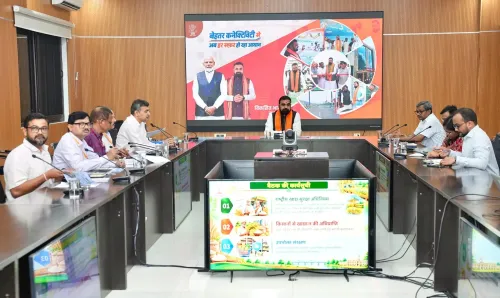
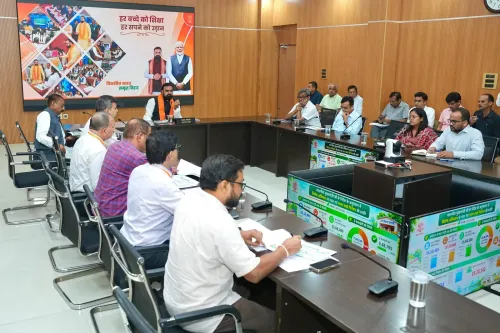
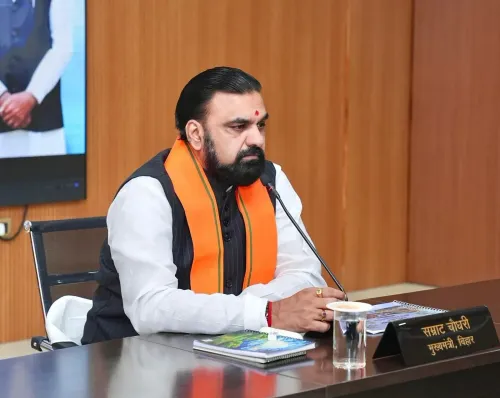
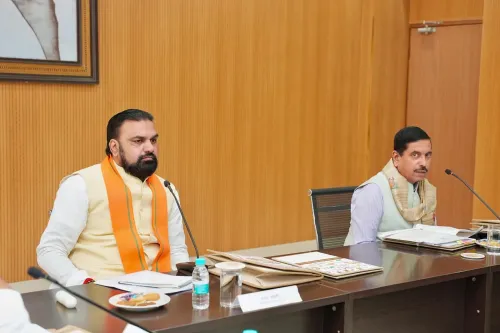
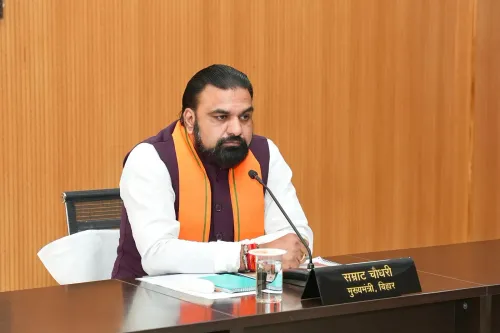
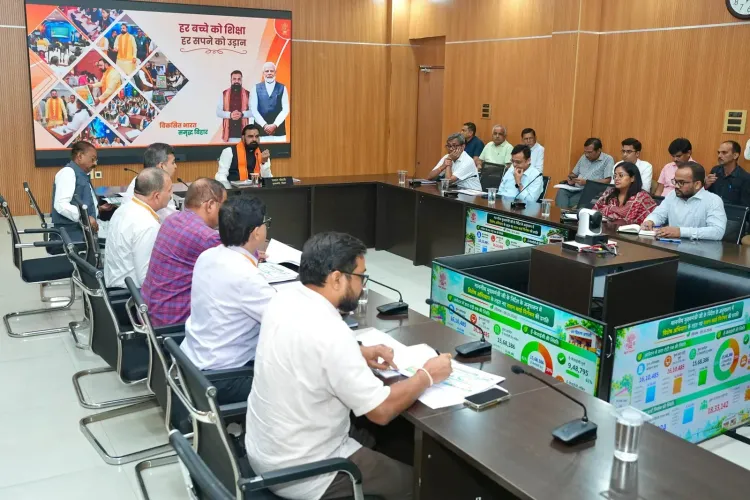
Before the harvest season's window narrows, Bihar Chief Minister Nitish Kumar has moved decisively — directing state machinery to launch paddy procurement operations from November and simultaneously run a special campaign to issue ration cards to eligible beneficiaries. The Chief Minister's Office announced the directives on Tuesday, October 13, 2026, signalling a coordinated push to align farmer support with food security delivery at the grassroots level.
The official post from the Chief Minister's Office stated: 'Mananiya Mukhyamantri ji ne November maah se dhan adhiprapti ka kary shuru karne tatha patra labhartiyon ka ration card banane ke liye Panchayat Divas evam Sahyog Shivron mein vishesh abhiyan chalakar nirdharit lakshya pura karne ke nirdesh diye.' In plain English: the Chief Minister has directed officials to begin paddy procurement from November and to achieve the set target for ration card issuance through special campaigns at Panchayat Divas and cooperative camps (Sahyog Shivirs).
Paddy Procurement and the Minimum Support Price Machinery
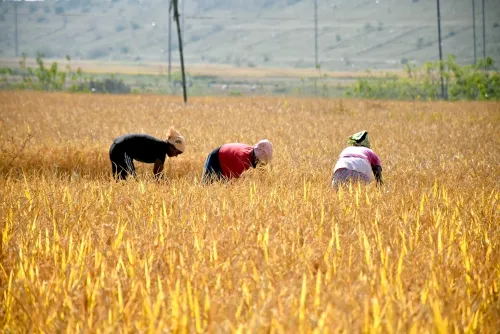
Paddy procurement in Bihar is a state-coordinated operation tied directly to the central government's Minimum Support Price (MSP) framework, designed to shield farmers from distress selling to private intermediaries. Each year, as the kharif harvest comes in, state agencies set up purchase centres across districts to buy directly from registered cultivators. The November directive aligns with the post-harvest cycle, when freshly cut paddy becomes available for bulk purchase.
The operation sits within the architecture of the National Food Security Act, 2013, which mandates that states maintain procurement pipelines and ration card coverage for eligible households. Bihar has historically used Panchayat Divas — periodic local governance gatherings held at the village level — as a ready-made platform for beneficiary outreach, reducing the administrative gap between rural households and entitlements they qualify for.
Ration Cards Through Sahyog Shivirs: Closing the Eligibility Gap
Running the ration card drive in parallel with procurement is a deliberate design choice. The Sahyog Shivirs — cooperative service camps — bring enrolment machinery directly to beneficiaries rather than expecting rural households to navigate district offices. For families that have slipped through previous enumeration exercises, these camps represent a concrete second chance at subsidised food grain access under Bihar's Public Distribution System (PDS).
The Chief Minister's emphasis on achieving a 'nirdharit lakshya' — a fixed, pre-set target — suggests that this is not an open-ended exercise but a time-bound accountability measure. Officials at the panchayat level are expected to report against specific numbers, making performance visible and measurable.
What Execution Will Look Like on the Ground
The real test begins in November, when procurement centre logistics, staffing, and farmer registration must be in place simultaneously with the ration card camps. Bihar's panchayat infrastructure spans thousands of gram panchayats across 38 districts, making coordination the central challenge. The convergence of two welfare streams — farmer income support and household food security — at the same local event is efficient in design; whether it is efficient in practice depends on administrative bandwidth at the block and panchayat level.
For Bihar's paddy farmers and the unregistered poor, the coming weeks are the moment that determines whether this directive lands as policy or merely as paperwork. The harvest waits for no bureaucratic delay.
Point of View
The state is betting on an existing administrative rhythm to do the heavy lifting of last-mile outreach. The 'fixed target' framing introduces a layer of accountability that distinguishes this round from open-ended drives, but target-setting only translates to results if district-level monitoring is robust. Politically, the timing — just ahead of the harvest season — keeps welfare visibility high for the ruling dispensation in a state where agricultural and food security issues remain central to electoral calculus.
NationPress
14 Oct 2026
Frequently Asked Questions
When will paddy procurement start in Bihar in 2026?
Bihar CM Nitish Kumar has directed officials to begin paddy procurement operations from November 2026 , aligned with the post-kharif harvest cycle.
What is Panchayat Divas in Bihar?
Panchayat Divas is a periodic local governance event held at the gram panchayat level in Bihar, used as a platform for government service delivery, beneficiary outreach, and administrative camps.
What are Sahyog Shivirs in Bihar?
Sahyog Shivirs are cooperative service camps organised by the Bihar government to bring welfare enrolment and government services directly to rural communities, avoiding the need for beneficiaries to travel to district offices.
How does Bihar issue ration cards to new beneficiaries?
Bihar issues ration cards to eligible households under the National Food Security Act, 2013 . Special campaign drives — such as those now directed by CM Nitish Kumar through Panchayat Divas and Sahyog Shivirs — are used periodically to enrol households that have not yet received cards.
What is the Minimum Support Price for paddy in Bihar?
Paddy procurement in Bihar is conducted at the Minimum Support Price (MSP) set by the central government each year for the kharif season. The state coordinates purchase centres across districts to buy directly from registered farmers at this guaranteed price.