Bihar CM Office Orders Home Delivery of Rations for Elderly, Disabled
Synopsis
The Chief Minister's Office of Bihar has directed officials to ensure home delivery of subsidised food grains under the Public Distribution System to all beneficiaries aged 80 years or above and to persons with disabilities, deepening last-mile access under the National Food Security Act.
Key Takeaways
The Chief Minister's Office of Bihar issued a directive on 13 October 2026 for PDS home delivery to eligible beneficiaries.
The order covers citizens aged 80 years and above and all persons with disabilities (divyangjan) .
The directive operates within the framework of the National Food Security Act, 2013 , which mandates last-mile food access.
Bihar's existing digital PDS infrastructure — including e-PoS systems — is available to support district-level rollout.
District-level implementation reports and integration with delivery pilots will determine the directive's real-world impact.
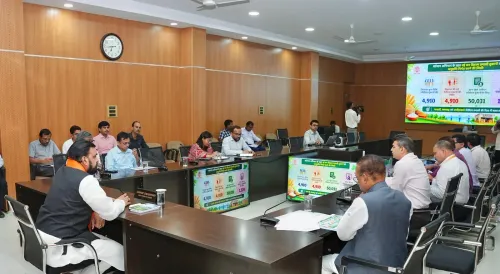
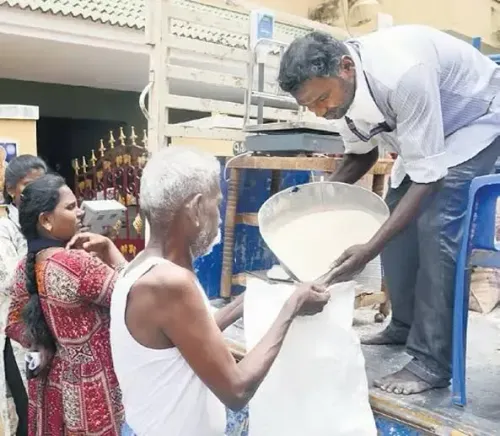
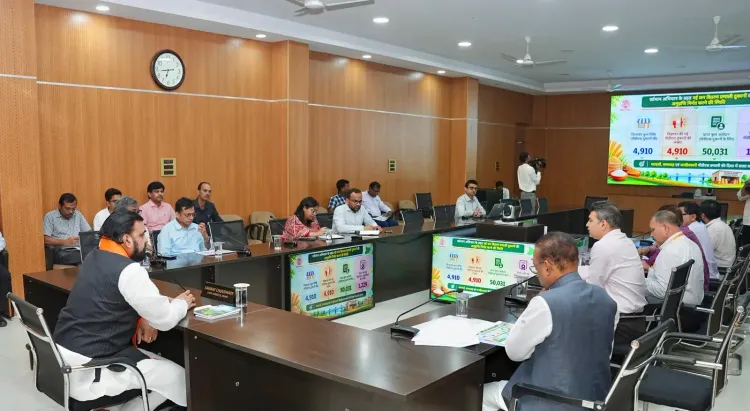
Bihar's most vulnerable citizens — the housebound elderly and those living with disabilities — will no longer have to queue at fair price shops. The Chief Minister's Office of Bihar directed, on Tuesday, 13 October 2026, that food grains under the Public Distribution System be delivered to the doorsteps of beneficiaries aged 80 years and above as well as divyangjan (persons with disabilities).
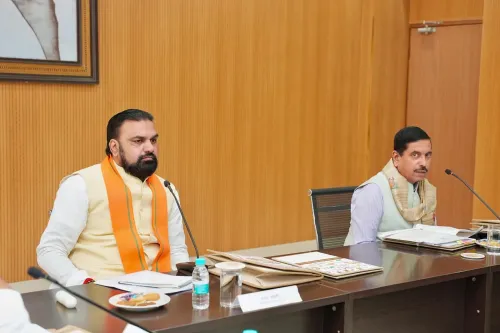
The directive, shared on the official CMO Bihar handle, stated: 'Instructions have been issued to ensure home delivery of food grains under the Public Distribution System to senior citizens aged 80 years or above and to persons with disabilities.' The order targets a section of PDS beneficiaries whose physical mobility can make a monthly visit to a ration shop an ordeal — or an impossibility.
What the National Food Security Act Demands — and What Gaps Remain
India's National Food Security Act (NFSA), 2013, established legal entitlements for subsidised food grains and placed the responsibility of last-mile delivery squarely on state governments. The Act envisioned inclusive access, but operationalising 'inclusive' for housebound populations has historically been left to state-level initiative rather than mandated centrally.
Bihar's instruction plugs that gap explicitly. By naming a threshold age of 80 years and specifically including divyangjan as a protected category, the state creates a defined, actionable beneficiary class — one that administrators and district officials can identify and serve without discretion.
Bihar's Step in a Nationwide Shift Toward Doorstep Ration Delivery
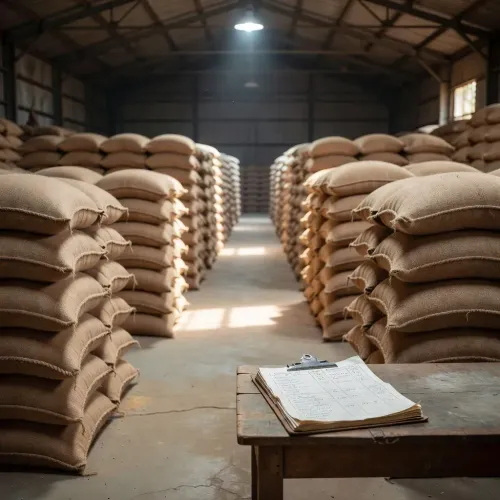
Several Indian states have piloted or expanded doorstep ration delivery over the past decade, leveraging technology — GPS-tagged delivery vehicles, e-PoS (electronic Point of Sale) biometric confirmation — to close accountability gaps. Bihar's food and civil supplies department has existing digital infrastructure from earlier PDS modernisation efforts that this directive could build on.
The district-level rollout will be the real test: whether delivery workers are assigned, whether records of home deliveries are maintained, and whether grievance mechanisms exist if grain does not arrive. Those logistics remain to be detailed, but the political and administrative signal from Patna is clear.
When a state names the 80-year-old and the wheelchair user by directive, it moves welfare from a passive entitlement to an active obligation — and that shift, however small it sounds in a bureaucratic order, is everything to the person waiting at home.
Point of View
Rather than new legislation, to operationalise the inclusive intent of the NFSA. The political calculation is also straightforward: elderly voters and disability-rights advocates are constituencies that reward visible, concrete action. The real measure of this directive will not be the order itself but whether Bihar builds the monitoring mechanism — grievance redressal, delivery records, district accountability — that separates a headline from a habit.
NationPress
14 Oct 2026
Frequently Asked Questions
Who will get home delivery of rations in Bihar?
Bihar has directed home delivery of PDS food grains to all beneficiaries who are 80 years of age or above, and to persons with disabilities (divyangjan).
What is the Public Distribution System (PDS) in India?
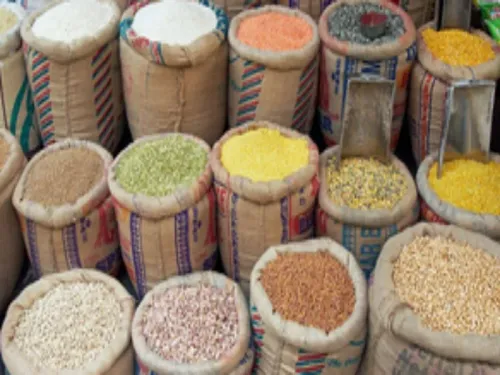
The Public Distribution System is India's government-run food security programme that distributes subsidised food grains — mainly rice, wheat, and coarse cereals — to eligible households through a network of fair price shops, governed by the National Food Security Act, 2013.
Which law covers PDS entitlements in India?
The National Food Security Act (NFSA), 2013, establishes the legal entitlement to subsidised food grains and requires state governments to ensure last-mile delivery to priority households.
How will Bihar implement ration home delivery for senior citizens?
The Chief Minister's Office has issued the directive to ensure delivery; district-level rollout, use of existing e-PoS infrastructure, and assignment of delivery personnel are expected to determine actual implementation.
Is doorstep ration delivery a new idea in India?
No — several Indian states have piloted or expanded doorstep ration delivery models over the past decade. Bihar's 2026 directive formalises home delivery specifically for the 80-plus age group and persons with disabilities, building on this national pattern.