PM Modi honours police on Commemoration Day
Synopsis
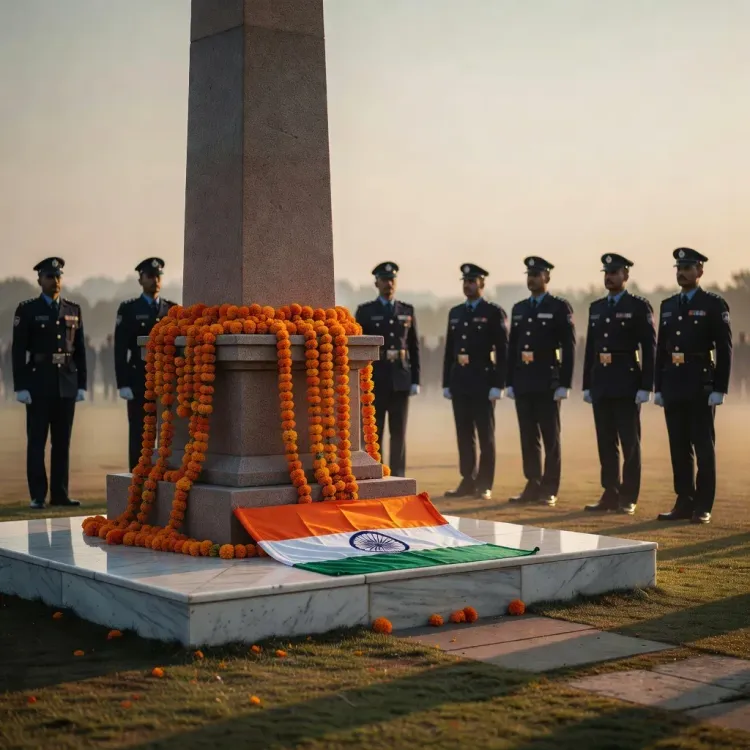
Prime Minister Narendra Modi marked Police Commemoration Day on 21 October 2026, honouring India's police personnel for their commitment under challenging conditions. The day traces to a 1959 CRPF ambush in the Naga Hills that claimed ten lives, institutionalising an annual national tribute to fallen officers.
Key Takeaways
Police Commemoration Day is observed every year on 21 October to honour police personnel killed in the line of duty.
The occasion traces to 21 October 1959 , when ten CRPF personnel were killed in an ambush by Naga rebels in the Naga Hills .
Prime Minister Narendra Modi expressed gratitude to police forces for their 'remarkable commitment, often in the most challenging circumstances.' PM Modi's tribute covers the full range of police duties: maintaining law and order, combating crime, and responding to emergencies.
The observance runs parallel to ongoing central government discussions on police modernisation and welfare schemes.
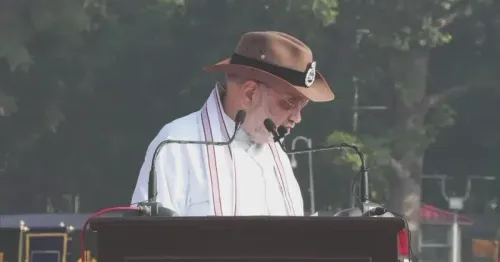
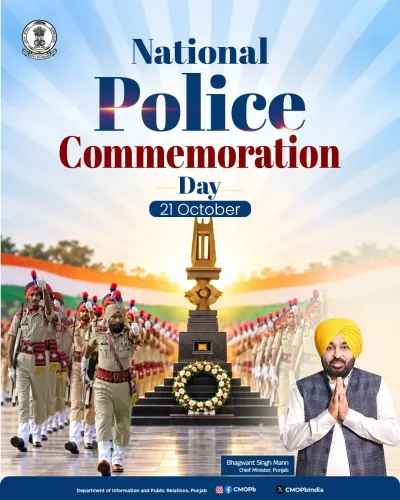
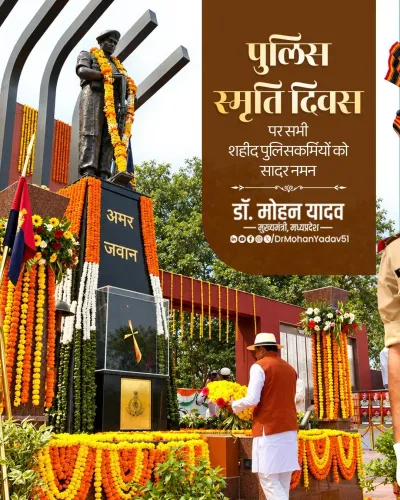
Every year on 21 October, India pauses to remember the men and women in uniform who paid the ultimate price in the line of duty — and this year, Prime Minister Narendra Modi used the occasion of Police Commemoration Day 2026 to express the nation's gratitude to its police personnel for their 'remarkable commitment, often in the most challenging circumstances.'
A date etched in sacrifice: the 1959 origin
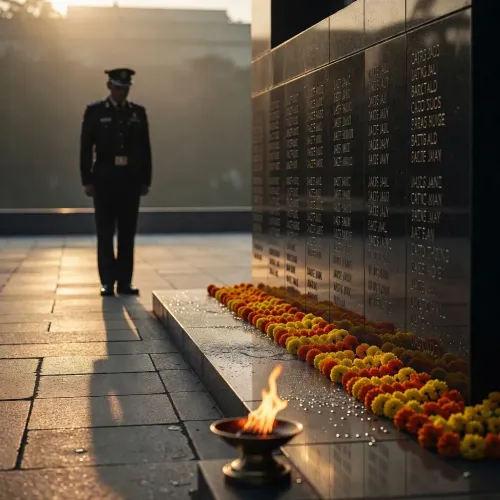
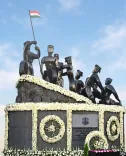
Police Commemoration Day is not a ceremonial invention — it carries the weight of a specific tragedy. On 21 October 1959, ten Central Reserve Police Force (CRPF) personnel were killed in an ambush by Naga rebels in the Naga Hills, making it one of the earliest and most sobering tests of India's post-Independence security apparatus. The annual observance, institutionalised in the early 1960s, grew from that sacrifice into a nationwide tribute to all police and central armed police force personnel who have since fallen in the line of duty.
The day now serves as a formal reminder that behind every statistic on crime control or counter-insurgency is a human being who chose to stand between danger and the public.
From law and order to emergencies: the full weight of the badge
In his message, Prime Minister Modi drew attention to the breadth of what police service actually demands — maintaining law and order, combating crime, and responding to emergencies. That range matters: India's police forces operate across wildly different theatres, from crowded metropolitan precincts to remote insurgency-affected districts, from natural disaster zones to high-security diplomatic corridors.
The tribute forms part of a consistent pattern of public acknowledgements by PM Modi on commemorative occasions tied to the security forces — recognitions that run parallel to ongoing central government initiatives on police modernisation and capacity building.
Modernisation on the agenda as tributes are paid
Observers note that Commemoration Day tributes often precede or coincide with policy conversations in Parliament's winter session around police welfare, equipment upgrades, and funding for state forces under centrally sponsored schemes. Whether 2026 brings fresh announcements on that front remains to be tracked — but the political signal sent on a day like this, by the country's highest elected office, carries weight well beyond a social media post.
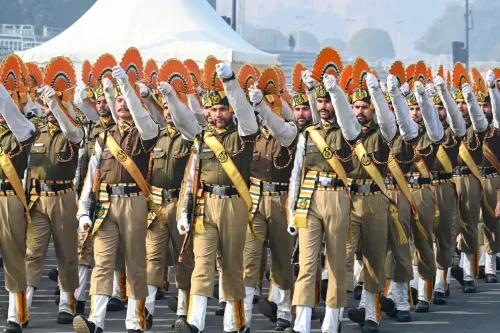
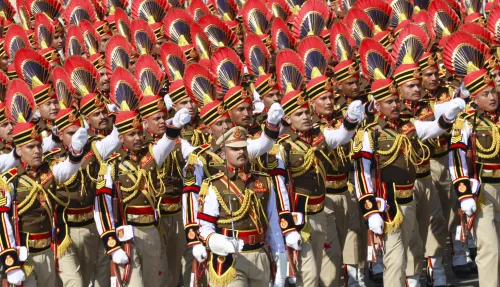
India's police personnel — state constables, CRPF jawans, border guards, and specialised units alike — serve as the first responders to virtually every crisis the republic faces. Today, the republic formally says it remembers.
Point of View
Organised workforce that intersects with central government policy on modernisation funding and service conditions. The timing also keeps police welfare on the public agenda ahead of Parliament's winter session, where budget allocations for central armed police forces are routinely scrutinised. Consistent public acknowledgement, while ceremonial in tone, functions as a steady drumbeat of institutional respect that the ruling dispensation has cultivated carefully since 2014.
NationPress
21 Oct 2026
Frequently Asked Questions
Why is Police Commemoration Day observed on 21 October?
21 October marks the 1959 ambush in the Naga Hills in which ten CRPF personnel were killed by Naga rebels — India's first major post-Independence police martyrdom in internal conflict. The date was formalised as Police Commemoration Day in the early 1960s.
What did PM Modi say on Police Commemoration Day 2026?
Prime Minister Narendra Modi expressed 'deepest gratitude' to police personnel for serving with 'remarkable commitment, often in the most challenging circumstances,' citing their roles in maintaining law and order, combating crime, and responding to emergencies.
What is the history behind Police Commemoration Day in India?
The day commemorates the 21 October 1959 ambush in the Naga Hills where ten CRPF jawans lost their lives. Formal annual observance was instituted in the early 1960s and now honours all police and central armed police force personnel killed in duty across India.
Which forces are honoured on Police Commemoration Day?
All Indian police personnel — including state police forces, the CRPF , and other central armed police forces — who have died in the line of duty are honoured on Police Commemoration Day each year.
Does the government announce police welfare measures on Commemoration Day?
Tributes on Police Commemoration Day often coincide with or precede discussions on police modernisation and welfare in Parliament's winter session. No specific 2026 announcement has been confirmed as of this report.