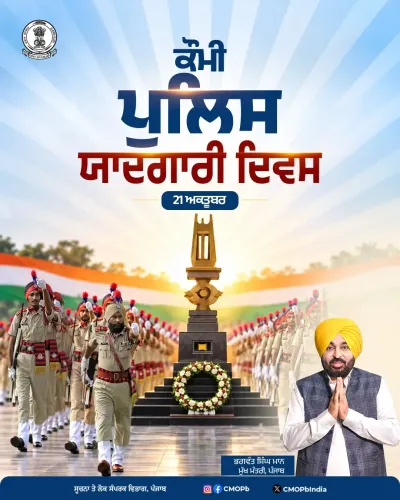
Punjab CMO honours police martyrs on Commemoration Day
Synopsis
The Chief Minister's Office of Punjab observed National Police Commemoration Day on October 21, 2026, honouring police officers who died in the line of duty. The day traces its origin to the 1959 killing of ten CRPF personnel at Hot Springs, Ladakh.
Key Takeaways
National Police Commemoration Day is observed every year on 21 October across India.
The day was instituted in 1960 to honour ten CRPF personnel killed at Hot Springs, Ladakh on 21 October 1959 .
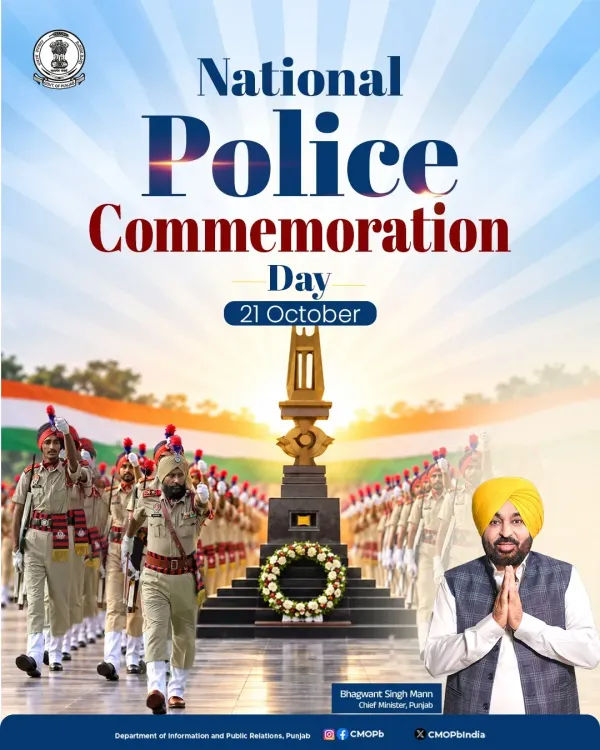
The Chief Minister's Office of Punjab , on behalf of CM Bhagwant Mann , issued a formal tribute on this occasion.
The post included a Punjabi-language hashtag, reflecting outreach to the state's citizens in their own language.
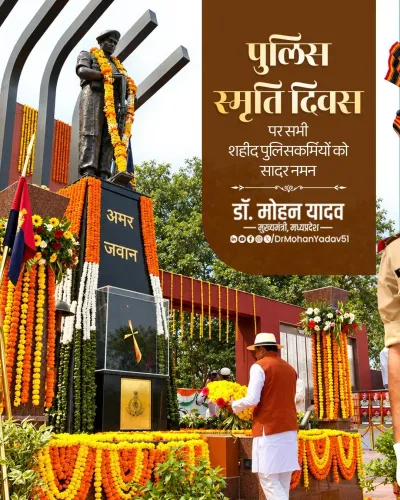
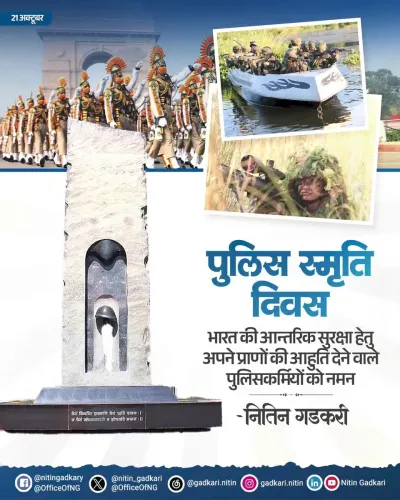
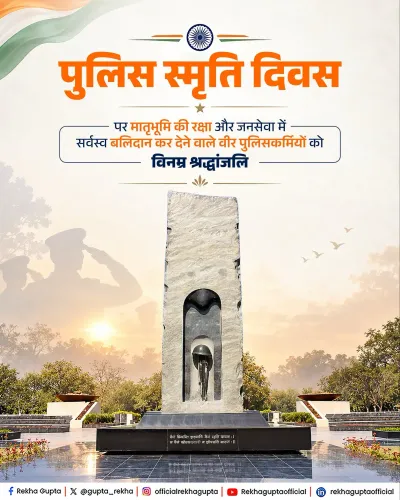
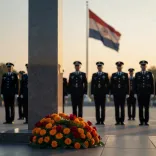
State police forces and central armed police forces hold wreath-laying ceremonies and parades on this date each year.
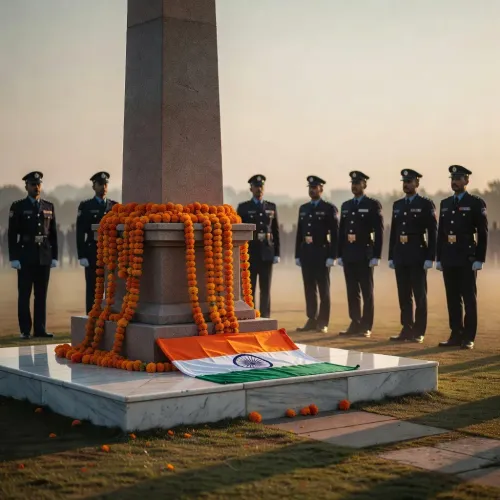
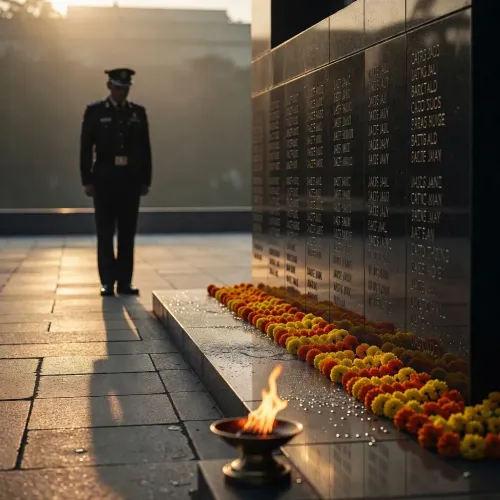
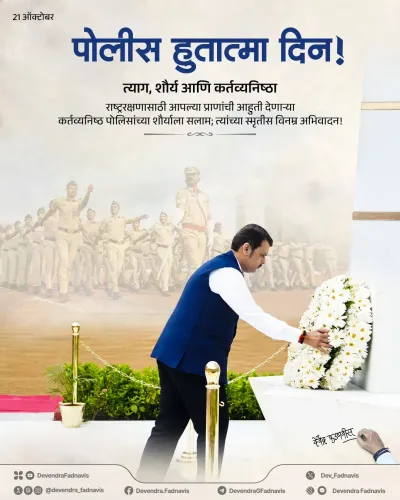
On the 21st of October, a date India reserves to remember its fallen in uniform, the Chief Minister's Office of Punjab joined the nation in observing National Police Commemoration Day — a solemn annual tribute to every police officer who gave their life in service of the country.
The CMO Punjab, posting on behalf of Chief Minister Bhagwant Mann, described the day's purpose plainly and with dignity: honouring 'the memory of the brave police officers who laid down their lives while serving the country.'
A date rooted in Ladakh's cold sacrifice
National Police Commemoration Day was instituted in 1960, one year after a stark act of courage in the high-altitude terrain of Hot Springs, Ladakh. On 21 October 1959, ten CRPF personnel were killed in an ambush — among the earliest armed confrontations along India's northern border. The date was chosen to ensure the nation would never quietly move past that loss.
Every 21 October since, police forces across India — central and state — observe wreath-laying ceremonies, parades, and moments of silence. Families of martyrs are invited to stand in the place their loved ones once held. The ritual is deliberate: grief kept public, gratitude kept alive.
Punjab's place in the tradition
Punjab Police, one of India's most battle-tested state forces given the state's history of insurgency and its long international border with Pakistan, carries a particularly weighted relationship with this day. State governments across India issue formal commemorative statements on fixed national observance days, and Punjab — with its own long roll of officers who fell in duty — follows that tradition with specific weight.
The post carried the Punjabi hashtag #ਕੌਮੀ_ਪੁਲਿਸ_ਯਾਦਗਾਰੀ_ਦਿਵਸ ('National Police Memorial Day'), signalling the message was directed as much at Punjabi-speaking citizens as at a national audience.
Sixty-seven years on from Hot Springs, the names and the terrain change — but the obligation to remember does not.
Point of View
But Punjab's observance carries a dimension other states rarely match — the state's police force bore the brunt of a decade-long insurgency and continues to operate along a sensitive international border. By publicly marking the day, the Bhagwant Mann government signals continuity with a security-force culture that predates its own tenure. The invocation of Punjabi-language hashtags is also a deliberate act of vernacular outreach, embedding a national observance into a regional identity. The broader pattern — state executives using fixed national days to reinforce security-force legitimacy — is now a standard feature of Indian political communication.
NationPress
21 Oct 2026
Frequently Asked Questions
Why is National Police Commemoration Day on October 21?
October 21 was chosen to mark the date in 1959 when ten CRPF personnel were killed in an ambush at Hot Springs, Ladakh — one of India's earliest armed border confrontations. The day was formally instituted in 1960 .
What happens on National Police Commemoration Day in India?
Police forces across India hold wreath-laying ceremonies, parades, and moments of silence. Families of officers who died in the line of duty are invited to attend state-level events.
Who is Bhagwant Mann and why did his office post about Police Commemoration Day?
Bhagwant Mann is the Chief Minister of Punjab . His office issued the tribute as part of the standard practice of state governments acknowledging national security-force observances.
What is the history behind National Police Commemoration Day?
The observance was instituted in 1960 , one year after the 21 October 1959 ambush at Hot Springs, Ladakh , where ten CRPF personnel were killed — among the first fatalities in India's border confrontations with China.
Does Punjab Police observe National Police Commemoration Day?
Yes. Punjab Police and the Punjab government observe the day with official tributes. The Chief Minister's Office issued a formal commemorative message on 21 October 2026 .