Trump vows Iran war ending soon, predicts oil prices will 'drop like a rock'
Synopsis
At a Texas rally and a White House event on the same day, President Trump declared the Iran conflict would end 'very soon' and that oil prices would 'drop like a rock' once it does — while ruling out a nuclear deal even as envoy Steve Witkoff is actively negotiating. Treasury Secretary Bessent tied high inflation directly to the energy shock, betting that a post-war supply rebound will bring borrowing costs back to Fed targets.
Key Takeaways
President Donald Trump on 8 October 2026 declared US military involvement in the Iran conflict would end 'very soon.' Trump predicted oil prices would 'drop like a rock' once the war concludes, noting some had feared a threefold to fivefold price surge.
Treasury Secretary Scott Bessent attributed high headline inflation to the energy shock and forecast prices will ease post-conflict.
Special envoy Steve Witkoff is reportedly engaged in Iran deal negotiations, though Trump expressed reluctance to accept a formal agreement.
Trump reaffirmed that Iran will never be allowed to acquire a nuclear weapon , framing the operation as action past presidents refused to take.
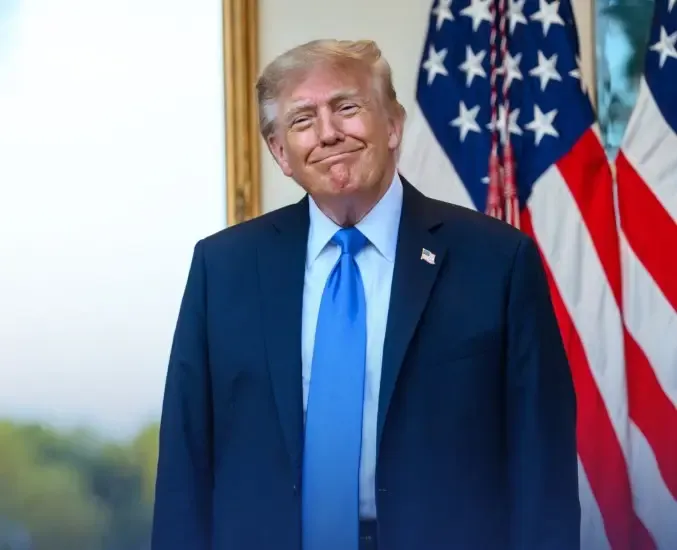
US President Donald Trump on 8 October 2026 declared that American military involvement in the conflict with Iran would end very soon and predicted a sharp fall in global oil prices once the war concludes, while reaffirming that Tehran would never be permitted to acquire a nuclear weapon.
What Trump Said at the Rally
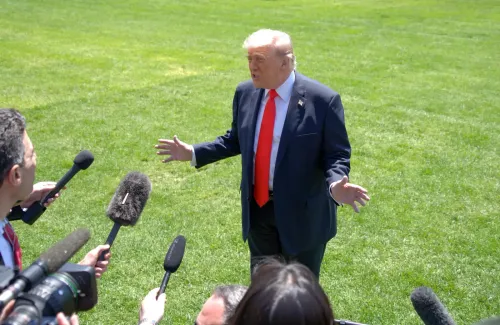
Speaking at a Republican campaign rally in San Antonio, Texas, Trump defended the American military operation against Iran and said his administration was resolute in eliminating the nuclear threat posed by Tehran. "And just as I promised, I am ensuring that Iran will never have a nuclear weapon. They will never. They know that," he told supporters.
Trump signalled that US involvement was nearing its end. "And we'll be out of there soon, and you watch those oil prices come down like a rock and watch everything — everything else is coming down," he said, projecting confidence that energy markets would normalise quickly after the conflict.
Trump Blames Past Administrations for Inaction
The President argued that previous US administrations had repeatedly failed to confront Iran's nuclear ambitions and that direct military action had become unavoidable. "That should have been done by past presidents for many years. It should have been done, but nobody wanted to take it on," he said, framing the operation as a belated but necessary reckoning.
Trump acknowledged that the conflict had pushed oil prices higher, but maintained the increase was far smaller than many analysts had feared — noting that some had projected prices rising threefold, fourfold or even fivefold because of the military campaign.
White House Doubles Down on Timeline
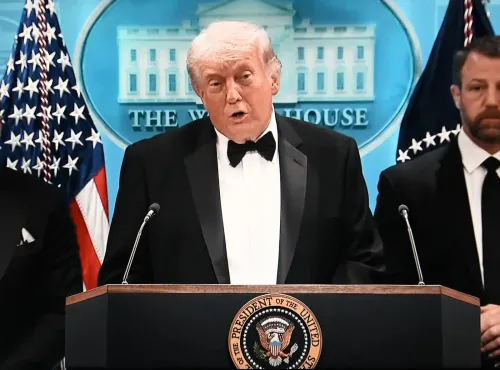
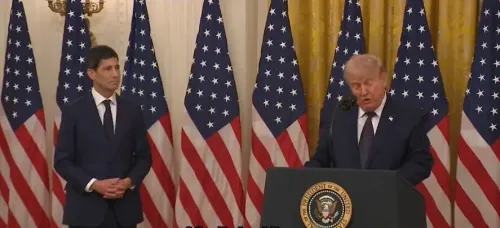
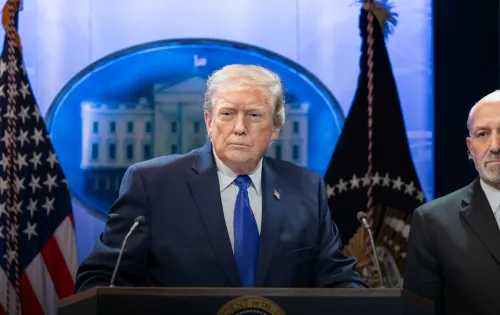
At a separate White House event on the same day, Trump repeated his prediction. "Oil will drop like a rock as soon as we're finished with the war, which will be very soon. It's going to be very soon. One way or the other, we'll be finished with it," he said.
Treasury Secretary Scott Bessent echoed the assessment, directly linking rising borrowing costs and inflation to the Middle East conflict. "What we are seeing is headline inflation is high because of the energy shock," Bessent said, adding that underlying inflation had already eased. He predicted: "Once we get on the other side of this Iran conflict, energy markets are going to be well supplied, and we will move down towards the Fed's target and mortgage rates and the 10-year will come back down."
Witkoff Diplomacy and the Nuclear Deal Question
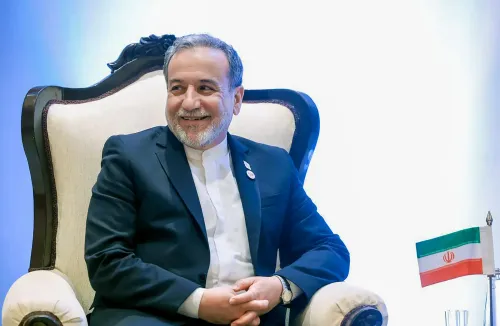
Trump also referenced diplomatic activity involving his special envoy Steve Witkoff, who has reportedly been engaged in negotiations with Iranian interlocutors. "He's working on the Iran deal and doing very well," Trump said. However, the President signalled deep ambivalence about concluding any formal agreement. "I think the deal isn't really something that I want to do, but they're willing to offer us anything to stop, and we definitely, they will never have a nuclear weapon," he said — a remark that underscored the gap between ongoing diplomatic contacts and Trump's stated preference for military resolution over a negotiated settlement.
Broader Market and Geopolitical Impact
The conflict has rattled global energy markets since it escalated, with oil prices surging on supply-disruption fears. Trump's remarks come amid growing pressure from allies and markets for a clear US exit strategy. This is not the first time the administration has flagged an imminent conclusion — similar signals in recent weeks have not yet translated into a ceasefire or formal agreement, making markets cautious about the latest timeline. How quickly oil prices respond will depend on the actual terms of any resolution and whether Iranian supply routes are restored.
Point of View
Oil traders are unlikely to price in the peace dividend Trump is promising. Bessent's linking of the energy shock to broader inflation gives the administration a politically convenient exit narrative — if prices fall after a resolution, it becomes a White House win on cost-of-living. The unanswered question is whether any arrangement short of Iran completely abandoning enrichment will satisfy Trump's stated red line, and whether Tehran will accept terms that amount to unconditional surrender on the nuclear file.
NationPress
8 Oct 2026
Frequently Asked Questions
What did Trump say about the Iran war ending?
President Trump said on 8 October 2026 that US military involvement in Iran would end 'very soon,' making the remarks both at a Republican rally in San Antonio, Texas, and at a separate White House event on the same day. He did not provide a specific date or conditions for the conclusion.
How does Trump predict the Iran conflict will affect oil prices?
Trump predicted that oil prices would 'drop like a rock' as soon as the conflict ends, arguing that the price increase during the war was far smaller than feared — some had projected a threefold to fivefold rise. He framed falling oil prices as a direct economic benefit of ending the military operation.
What is Treasury Secretary Scott Bessent's view on inflation and the Iran conflict?
Bessent directly attributed elevated headline inflation to the energy shock caused by the Iran conflict. He argued that underlying inflation has already eased and predicted that once the conflict ends, energy markets will be 'well supplied,' helping mortgage rates and the 10-year Treasury yield move back toward the Federal Reserve's targets.
Is the US negotiating a deal with Iran?
Trump's special envoy Steve Witkoff is reportedly engaged in negotiations concerning Iran, and Trump said he was 'doing very well.' However, Trump simultaneously indicated personal reluctance to accept a formal deal, saying 'I think the deal isn't really something that I want to do,' while insisting Iran will never be allowed a nuclear weapon.
Why did Trump say past presidents failed on Iran?
Trump argued that confronting Iran's nuclear programme 'should have been done by past presidents for many years' but that 'nobody wanted to take it on.' He used this framing to defend the current military operation as an unavoidable action that previous administrations repeatedly deferred.