Pentagon orders Iran strike preparations ahead of US midterms: Report
Synopsis
The Pentagon has reportedly ordered US Central Command to prepare for massive bombing campaigns targeting Iran's energy, infrastructure, and nuclear facilities — with strikes potentially timed before the US midterms on 3 November. Meanwhile, Iran has declared a formal shift to an offensive military doctrine and warned it will launch preemptive operations if threatened. Trump's approval rating sits at a record-low 32%, with cost-of-living — inflamed by the war — the top issue for voters.
Key Takeaways
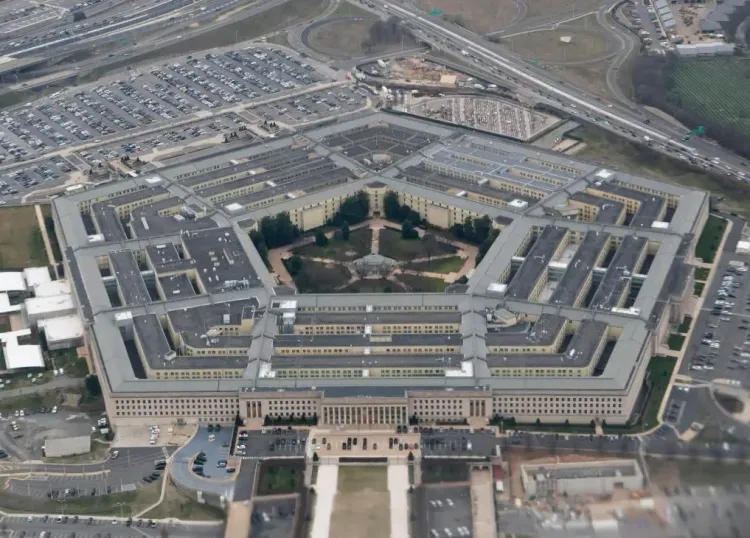
The Pentagon has directed US Central Command to complete preparations for major combat operations against Iran , according to reports citing US officials.
Potential strikes could target Iranian energy infrastructure , industrial infrastructure , and nuclear facilities .
US and Israeli sources say operations could occur before US midterm elections on 3 November , or even before Israeli elections a week earlier.
President Donald Trump's approval rating stands at a record low of 32 per cent , per a Reuters/Ipsos poll released Monday.
Iranian Army spokesman Mohammad Akraminia confirmed Iran has shifted to an offensive military doctrine and warned of preemptive strikes.
Iran cited a missile strike on a US base in Jordan in late July as an example of its new offensive posture.
The Pentagon has instructed US Central Command to complete preparations for resuming major combat operations against Iran, according to a report citing US officials. The directive was issued several days ago, and both US and Israeli sources indicate the strikes could take place before the US midterm elections on 3 November — and possibly even before Israeli elections scheduled a week earlier.
Scope of Potential Operations
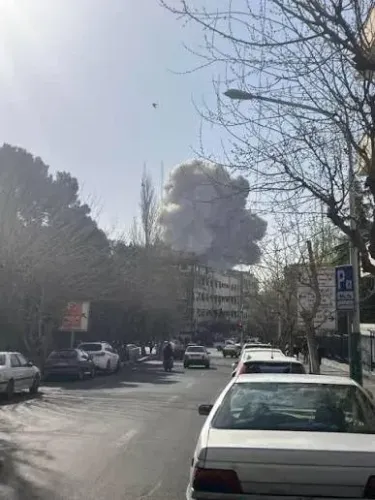
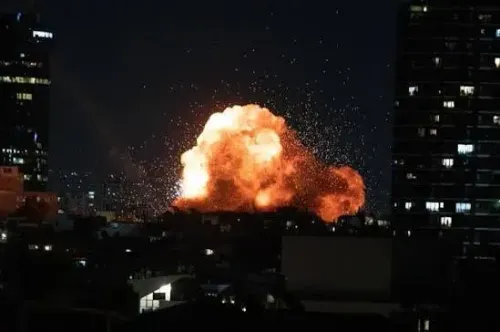
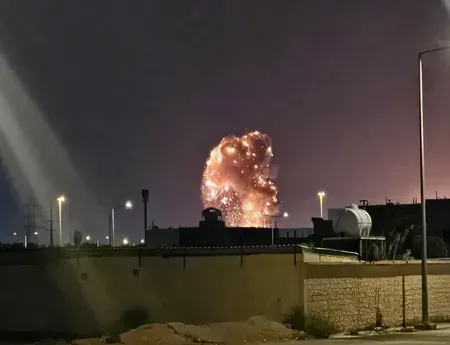
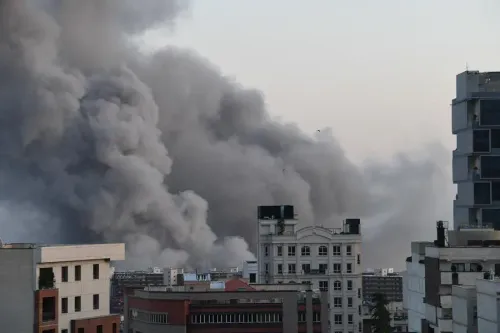
According to the sources, potential combat operations include massive bombing campaigns targeting Iranian energy infrastructure, civilian and industrial infrastructure, and nuclear facilities. The scale described suggests a significant escalation beyond any previous engagement in what has already been a grinding conflict between the United States, Israel, and Iran.
Notably, the reported timing — less than a month before the midterms — has drawn attention to the intersection of military action and domestic politics. The ongoing war with Iran has already driven gas prices sharply higher, pushing up costs across sectors including shipping, trucking, air travel, and food supply chains.
Trump's Approval and the Voter Mood
A Reuters/Ipsos poll released on Monday showed US President Donald Trump's approval rating holding at a record low of 32 per cent — unchanged from a September survey that had already marked the lowest point of his political career. Cost of living ranks as the single biggest concern among American voters heading into next month's elections, with many reportedly blaming the Republican party, which holds power, for the economic strain.
This comes amid a broader context in which US administrations have historically faced accusations of using military posturing or action to shift the political narrative before elections — a dynamic that opposition voices and analysts are already raising in the current cycle.
Iran's Military Doctrine Shift
On the other side of the conflict, Iranian Army spokesman Mohammad Akraminia stated in an interview with the semi-official Fars news agency, published on Wednesday, that Iran is prepared to carry out preemptive military operations if necessary to prevent what he described as 'aggression by the enemy.'
Akraminia said Iran has formally shifted its military doctrine from defensive to offensive, citing this posture as the basis for recent operations. Among those he highlighted was a missile strike against a US base in Jordan in late July, which he described as preemptive, along with multiple missile and drone attacks against what he called 'counter-revolutionary and separatist' groups operating from Iraq's semi-autonomous Kurdistan region.
'My assessment is that the Americans will not dare launch a ground invasion,' Akraminia said, ruling out a land offensive while adding that Iran's armed forces have resolved to extend the range of their missiles in light of the ongoing conflict.
He stressed that preemptive operations carried out under principles of 'necessity, urgency, and proportionality' are considered legitimate under Iran's current military framework.
What Comes Next
With the midterm elections on 3 November and Israeli elections a week prior, the coming weeks represent a critical window in which either side could act. Markets, energy prices, and diplomatic back-channels will all be closely watched. Any escalation involving Iranian nuclear or energy infrastructure would carry consequences well beyond the immediate conflict zone, affecting global oil supply and broader geopolitical alignments.
Point of View
If confirmed, represents one of the most consequential — and politically charged — military decisions in recent US history. The timing, weeks before a midterm election in which affordability and war fatigue are dominant themes, raises legitimate questions about whether military imperatives or political calculations are driving the schedule. Trump's 32% approval is not just a data point; it is the backdrop against which every escalation decision will be read. Iran's formal doctrine shift to offensive operations, meanwhile, closes the diplomatic window further — preemptive strike language from Tehran makes de-escalation harder to sell domestically on either side. What mainstream coverage may underplay is the energy dimension: any strike on Iranian oil infrastructure would send already-elevated fuel prices sharply higher, compounding the cost-of-living crisis that is already the No. 1 voter concern. This conflict is now simultaneously a military, electoral, and economic story.
NationPress
8 Oct 2026
Frequently Asked Questions
Why has the Pentagon ordered preparations for strikes on Iran?
According to reports citing US officials, the Pentagon directed US Central Command to complete readiness preparations for major combat operations against Iran, with potential targets including energy, infrastructure, and nuclear facilities. The directive was issued several days ago, and sources suggest strikes could be timed ahead of the US midterm elections on 3 November.
When could US strikes on Iran take place?
US and Israeli sources cited in reports say strikes could occur before the US midterm elections on 3 November 2026, and possibly before Israeli elections scheduled approximately a week earlier. No official confirmation or timeline has been publicly announced by the US government.
What is Iran's military response to the threat of US strikes?
Iranian Army spokesman Mohammad Akraminia said Iran has shifted its military doctrine from defensive to offensive and is prepared to launch preemptive operations if it perceives a threat. He cited the missile strike on a US base in Jordan in late July as an example, and said Iran is also extending the range of its missiles.
How is the Iran war affecting US domestic politics?
The ongoing conflict has driven gas prices higher, raising costs in shipping, trucking, air travel, and food. A Reuters/Ipsos poll released Monday showed President Trump's approval rating at a record low of 32%, with cost of living the top concern for voters ahead of the midterms.
What would a US bombing campaign against Iran target?
According to sources cited in the report, potential operations would involve massive bombing campaigns targeting Iranian energy infrastructure, broader industrial and civilian infrastructure, and nuclear facilities. The scope described suggests a significant escalation from previous military engagements.