Trump says Iran war will end 'very soon', predicts rapid oil price fall
Synopsis
Donald Trump has declared the Iran war will be 'over very shortly' — and says falling oil prices will follow. But with successive Iranian leadership layers reportedly removed and no named negotiating partner identified, Trump himself admitted: 'I don't know who the hell to deal with.' The end-game is being announced before it has been designed.
Key Takeaways
President Donald Trump said on 15 October 2026 that the war with Iran would end 'very soon' and predicted a rapid fall in global energy prices.
Trump claimed the US had achieved its core objective of preventing Iran from acquiring nuclear weapons: 'They won't have a nuclear weapon.' He stated the US has established 'total control' of the Strait of Hormuz and that oil flows through the waterway have increased since the conflict began.
Trump acknowledged difficulty identifying Iranian officials to negotiate with, saying: 'I might have gone too far.
I don't know who the hell to deal with.' He cited a 1.7 per cent inflation rate over the preceding three months, framing the economy as resilient despite the conflict.
No formal ceasefire timeline, peace framework, or named Iranian negotiating counterpart was announced.
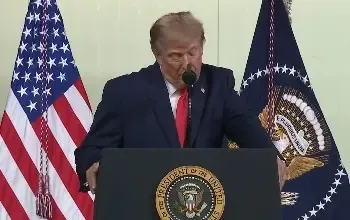
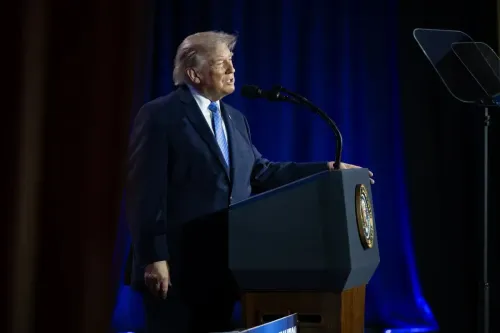
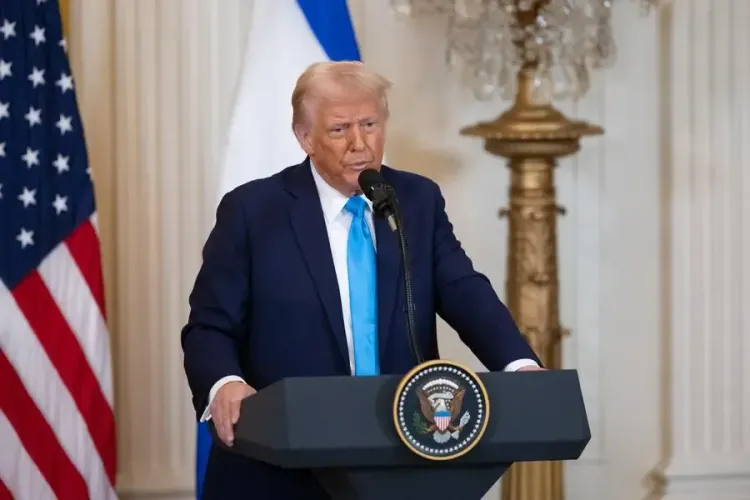
US President Donald Trump on 15 October 2026 declared that the war with Iran would end 'very soon', predicting a sharp decline in global energy prices once the conflict concludes and reiterating that Tehran would not be permitted to acquire nuclear weapons. Trump made the remarks to reporters before departing Arizona for a campaign rally in Montana.
Trump's Core Claims
'And Iran will end very shortly. It's gonna be over very shortly, and your energy prices will fall very rapidly, very fast,' Trump told reporters. He offered no specific timetable, and the White House has not confirmed whether any formal negotiations with Iranian officials are currently underway.
Trump also insisted that the United States had achieved its central military objective. 'And I had to make an excursion down to Iran to take away the nuclear weapon. And we've done that. They won't have a nuclear weapon,' he said, repeating the assurance moments later.
Military Campaign and Strait of Hormuz
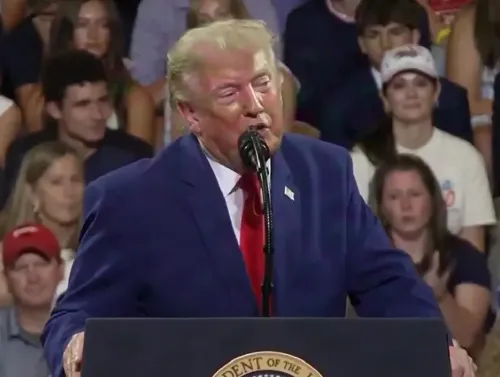
At an earlier rally in Bullhead City, Arizona, Trump offered a more expansive account of US military operations, claiming that American strikes had severely degraded Iran's naval and air capabilities. He also acknowledged difficulty in identifying Iranian counterparts for any potential settlement talks.
'I might have gone too far. I don't know who the hell to deal with,' Trump said, alluding to the removal of successive layers of Iranian leadership — a remark that analysts may read as an implicit admission of post-conflict political uncertainty in Tehran.
Trump further claimed that the United States had established full control over the Strait of Hormuz, a critical maritime chokepoint through which a significant share of the world's crude oil and liquefied natural gas is shipped. He argued that oil flows through the waterway had actually increased under a US naval blockade he described as 'a wall of steel': 'We're taking more oil right now out of the Hormuz Strait than we did before this started,' he claimed.
Energy Prices and Economic Argument
Trump linked the anticipated end of the Iran conflict directly to an expected drop in global energy prices, comparing current oil costs favourably to those seen during former President Joe Biden's administration. He argued that the economic disruption caused by the military campaign was justified by the objective of preventing Iranian nuclear capability.
On inflation, Trump cited a 1.7 per cent inflation rate over the preceding three months, describing his administration's economic management as strong. He did not directly address questions about market expectations of an interest rate increase, nor clarify whether he had discussed the latest inflation data with Kevin Warsh, who was raised in reporters' questions.
Why the Strait of Hormuz Matters
The Strait of Hormuz connects the Persian Gulf with the Gulf of Oman and the Arabian Sea, making it one of the world's most strategically consequential energy transit routes. Any sustained disruption to shipping through the strait has historically triggered sharp moves in global crude benchmarks, with knock-on effects on fuel prices, inflation, and emerging-market economies — including India — that are heavily dependent on Gulf oil imports.
What Comes Next
Trump's remarks stop short of announcing a ceasefire, peace framework, or diplomatic channel with Tehran. With key Iranian leadership layers reportedly removed and no named negotiating counterpart identified, the path to a formal end to hostilities remains unclear. Global energy markets and central banks will be watching closely for any concrete de-escalation signal.
Point of View
No ceasefire framework, no mediating third party. The admission that successive layers of Iranian leadership have been removed is, paradoxically, an argument against a swift diplomatic resolution: you cannot negotiate an end to a war if you have eliminated the people empowered to agree to one. The Strait of Hormuz claim — that oil throughput is higher now than before the conflict — is striking and unverified; if accurate, it would represent a significant strategic achievement, but independent confirmation is absent. For oil-dependent economies like India, the gap between Trump's optimism and the diplomatic reality on the ground is the single most important variable to watch.
NationPress
15 Oct 2026
Frequently Asked Questions
What did Trump say about the Iran war ending?
Trump told reporters on 15 October 2026 that the war with Iran would be 'over very shortly' and that energy prices would fall 'very rapidly' once it concluded. He gave no specific timetable and did not announce any formal ceasefire or peace negotiations.
Has the US prevented Iran from getting nuclear weapons, according to Trump?
Trump claimed that US military operations had achieved the central objective of stripping Iran of its nuclear weapons capability, saying: 'They won't have a nuclear weapon.' This claim has not been independently verified by international arms inspectors or confirmed by other governments.
What did Trump say about the Strait of Hormuz?
Trump claimed the United States had taken 'total control' of the Strait of Hormuz and asserted that more oil was moving through the waterway now than before the conflict began. The Strait of Hormuz is one of the world's most critical maritime routes for crude oil and LNG shipments, connecting the Persian Gulf to the Arabian Sea.
Why did Trump say he does not know who to negotiate with in Iran?
Trump acknowledged that US military strikes had removed successive levels of Iranian leadership, making it difficult to identify officials with the authority to conclude a peace deal. 'I might have gone too far. I don't know who the hell to deal with,' he said at the Bullhead City rally.
How does the Iran conflict affect India and global energy markets?
The Strait of Hormuz is a critical supply route for crude oil and LNG destined for Asia, including India. Any disruption — or resolution — of hostilities involving the strait directly influences global crude benchmarks and, by extension, fuel prices, inflation, and import bills for oil-dependent economies like India.